

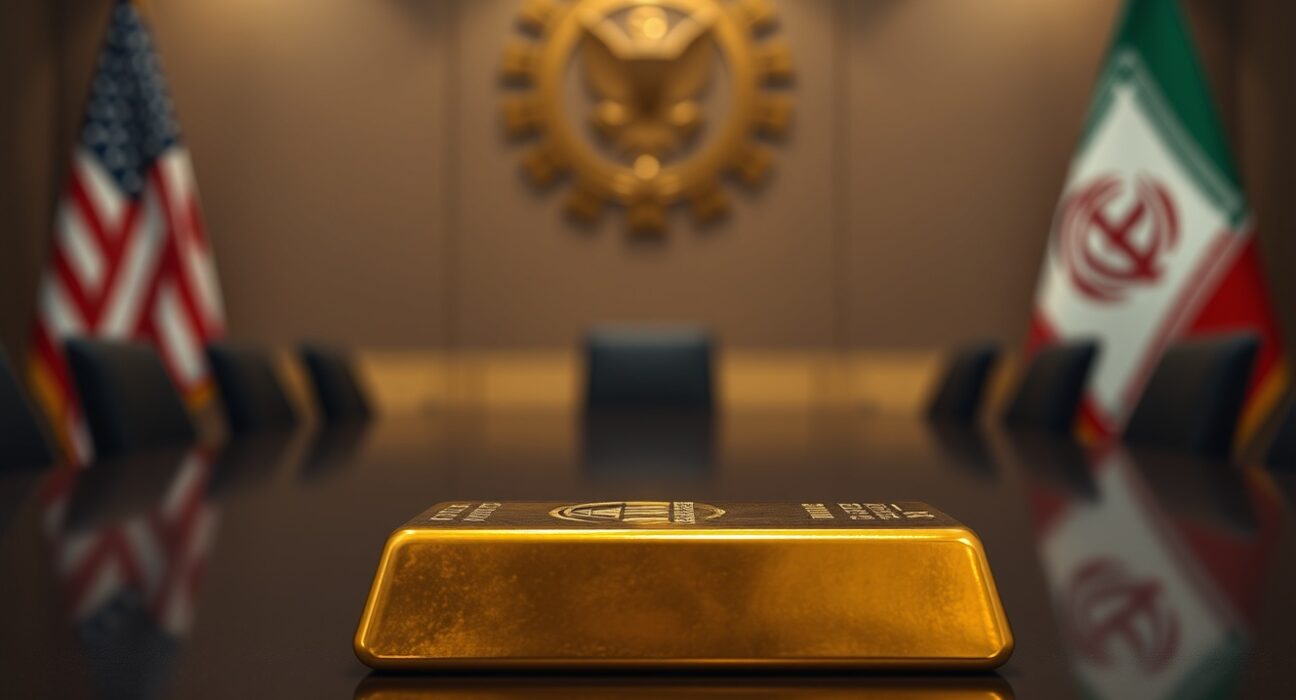
Gold prices edged lower in early trading on Tuesday as reports emerged that Iran’s insistence on uranium enrichment rights is creating a new stumbling block in ongoing nuclear negotiations with the United States. The precious metal, which had rallied in recent weeks on safe-haven demand, gave back some gains as traders reassessed the risk premium tied to Middle East tensions.
What’s Driving the Gold Pullback
The latest round of US-Iran talks, held in Vienna, has stalled over Tehran’s demand to retain a significant uranium enrichment capacity. US negotiators have signaled flexibility but maintain that any deal must include robust inspection mechanisms and limits on enrichment levels. The deadlock has injected fresh uncertainty into a process that many hoped would ease geopolitical risks in the region.
For gold, the immediate reaction was a modest sell-off, with spot prices falling approximately 0.6% to $2,340 per ounce. Analysts attribute the decline to profit-taking after a recent rally and a temporary reduction in geopolitical risk appetite. However, the broader trend for gold remains supported by persistent inflation concerns and central bank buying.
Geopolitical Stakes and Market Implications
The uranium enrichment dispute is not new. Iran has long argued that its nuclear program is peaceful and that enrichment is a sovereign right under the Non-Proliferation Treaty. The US, along with European allies, fears that high enrichment levels could bring Iran close to weapons-grade capability. The current negotiations aim to revive the 2015 Joint Comprehensive Plan of Action (JCPOA), which the US withdrew from in 2018.
If talks collapse entirely, the risk of escalation in the Middle East could rise, potentially driving gold prices higher again. Conversely, a breakthrough would likely reduce safe-haven demand and pressure gold lower. For now, markets are pricing in continued uncertainty.
Why This Matters for Investors
Gold remains a key barometer for geopolitical stress. The current pullback should be viewed in the context of a broader upward trend. Central banks, particularly in emerging markets, continue to diversify reserves away from the US dollar, providing structural support for gold. Short-term volatility tied to diplomatic headlines is normal, but the underlying drivers of gold demand — inflation, fiscal deficits, and geopolitical fragmentation — remain intact.
Conclusion
The slip in gold prices reflects a tactical market response to a specific negotiating hurdle rather than a fundamental shift in the metal’s outlook. Investors should watch for further developments in US-Iran talks, as any significant progress or breakdown could trigger more pronounced moves. For now, gold remains a core portfolio hedge in an uncertain geopolitical environment.
FAQs
Q1: Why did gold prices fall despite geopolitical tensions?
Gold saw profit-taking after a recent rally, and markets are pricing in a lower short-term risk premium as negotiations continue. The decline is modest and does not signal a trend reversal.
Q2: How do Iran’s uranium demands affect global markets?
Iran’s insistence on enrichment rights complicates nuclear talks, increasing uncertainty. This can boost safe-haven assets like gold, but also creates volatility as traders react to each diplomatic development.
Q3: Should investors be concerned about gold’s short-term decline?
No. The pullback is likely temporary. Structural factors such as central bank buying, inflation, and fiscal concerns continue to support gold over the medium to long term.
Disclaimer: The information provided is not trading advice, Bitcoinworld.co.in holds no liability for any investments made based on the information provided on this page. We strongly recommend independent research and/or consultation with a qualified professional before making any investment decisions.
