

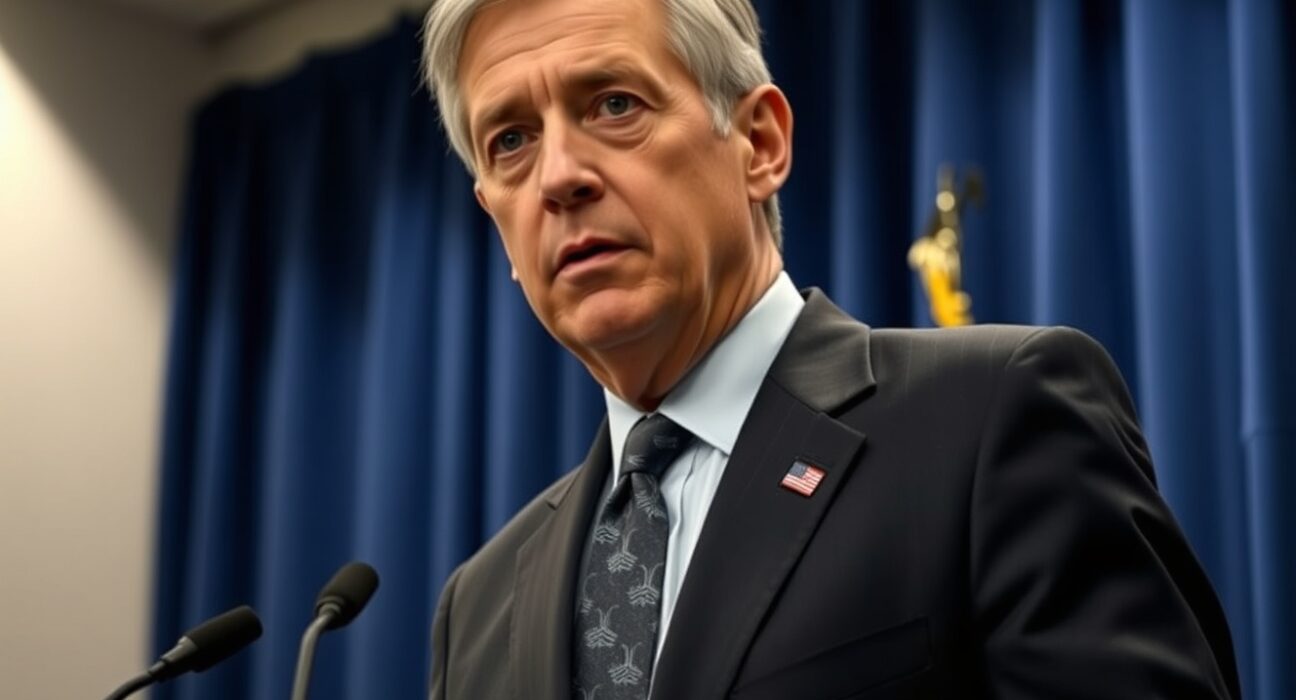
President Donald Trump announced on May 22 that Kevin Warsh will assume leadership of the Federal Reserve, marking a significant shift in the central bank’s leadership. In his statement, Trump expressed confidence in Warsh’s abilities and emphasized the importance of independent decision-making in monetary policy.
Who Is Kevin Warsh?
Kevin Warsh is a former Federal Reserve governor who served from 2006 to 2011, playing a key role during the 2008 financial crisis. He was a liaison to the Federal Open Market Committee and helped shape the Fed’s response to the economic downturn. Since leaving the Fed, Warsh has been a visiting scholar at Stanford University’s Hoover Institution and a commentator on monetary policy. His background includes a law degree from Harvard and experience in investment banking at Morgan Stanley.
Context of the Appointment
The announcement comes at a time of heightened scrutiny over the Fed’s independence. Historically, the central bank has operated free from political pressure, but recent years have seen increased tension between the White House and the Fed over interest rate decisions. Trump’s public call for Warsh to act independently signals an awareness of this tradition, even as critics worry about potential political influence.
Market and Economic Implications
Warsh’s appointment is likely to be closely watched by financial markets. Investors typically favor continuity and predictability in Fed leadership. Warsh is viewed as a policy hawk, meaning he may prioritize inflation control over stimulating growth. This could lead to a more cautious approach to rate cuts, affecting borrowing costs for consumers and businesses. The appointment also comes amid ongoing debates about the Fed’s role in addressing climate risk and digital currency regulation.
Reactions and Next Steps
The nomination requires Senate confirmation, a process that could become contentious. Some lawmakers have already expressed concerns about Warsh’s past ties to Wall Street and his views on deregulation. Supporters argue his experience during the financial crisis makes him well-suited to navigate current economic challenges. The timeline for confirmation hearings remains unclear, but the process typically takes several months.
Conclusion
Kevin Warsh’s nomination to lead the Federal Reserve represents a pivotal moment for U.S. monetary policy. With a background in crisis management and a reputation for hawkish views, his leadership could reshape the Fed’s approach to inflation, interest rates, and financial regulation. The coming months will reveal whether he can maintain the independence that Trump has publicly endorsed.
FAQs
Q1: What is the Federal Reserve’s role in the U.S. economy?
The Federal Reserve is the central bank of the United States. It manages monetary policy to promote maximum employment, stable prices, and moderate long-term interest rates. It also regulates banks and maintains financial system stability.
Q2: Why is Fed independence important?
Independence allows the Fed to make decisions based on economic data rather than political pressures. This credibility helps control inflation expectations and maintain market confidence, which are critical for long-term economic stability.
Q3: When will Kevin Warsh take office?
Warsh must first be confirmed by the U.S. Senate. The confirmation process includes hearings before the Senate Banking Committee and a full Senate vote. If confirmed, he would begin his term immediately, though the exact date depends on the legislative calendar.
Disclaimer: The information provided is not trading advice, Bitcoinworld.co.in holds no liability for any investments made based on the information provided on this page. We strongly recommend independent research and/or consultation with a qualified professional before making any investment decisions.
