

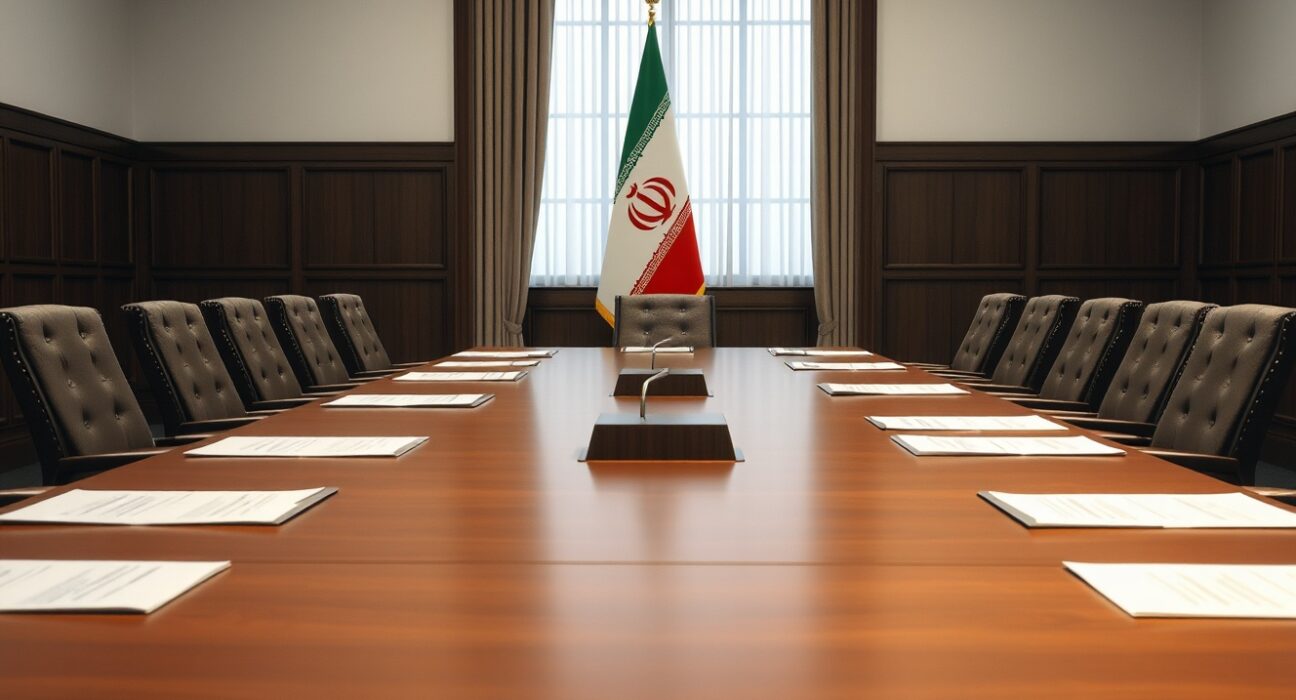
Iran has pushed back against reports of a finalized agreement, with state-affiliated media clarifying that negotiations on contentious issues remain unresolved. A source cited by Iran’s Tasnim News Agency confirmed that while progress has been made on some agenda items, no final deal will be concluded until all outstanding matters are settled.
Negotiations Ongoing Despite Progress Claims
The clarification from Tehran comes amid heightened speculation about the status of talks involving world powers. According to the Tasnim report, the source emphasized that discussions are still active and that a comprehensive agreement hinges on resolving remaining differences. The statement serves as a counterpoint to any premature declarations of success.
Context and Implications
These negotiations are part of broader efforts to revive or replace the 2015 Joint Comprehensive Plan of Action (JCPOA), which has been in flux since the United States withdrew in 2018. The current round of talks has been characterized by cautious optimism, but also persistent gaps on key issues such as sanctions relief and nuclear enrichment limits. The Iranian denial underscores the fragile nature of the diplomatic process.
What This Means for the Region and Markets
The lack of a final deal maintains a state of uncertainty that affects oil markets, regional security dynamics, and international trade. For global observers, the ongoing negotiations represent a critical variable in Middle Eastern geopolitics. Any eventual agreement could lead to significant shifts in energy supply chains and diplomatic alignments.
Conclusion
Iran’s denial of a finalized deal is a reminder that diplomatic breakthroughs often require extended periods of negotiation. The coming weeks will be crucial as parties continue to work toward resolving the remaining contentious issues. Until then, the status quo remains, with all sides urging patience and continued dialogue.
FAQs
Q1: Why did Iran deny that a final deal has been reached?
Iran’s denial stems from ongoing disagreements on key issues that remain unresolved. The source emphasized that a final agreement cannot be declared until all points are settled.
Q2: What are the main obstacles in the current negotiations?
The primary sticking points include the scope of sanctions relief, nuclear enrichment levels, and verification mechanisms. These issues have prevented a comprehensive agreement.
Q3: How might this affect global oil prices?
The uncertainty surrounding the talks has contributed to volatility in oil markets. A potential deal could lead to increased Iranian oil exports, while a breakdown might sustain current supply constraints.
Disclaimer: The information provided is not trading advice, Bitcoinworld.co.in holds no liability for any investments made based on the information provided on this page. We strongly recommend independent research and/or consultation with a qualified professional before making any investment decisions.
