

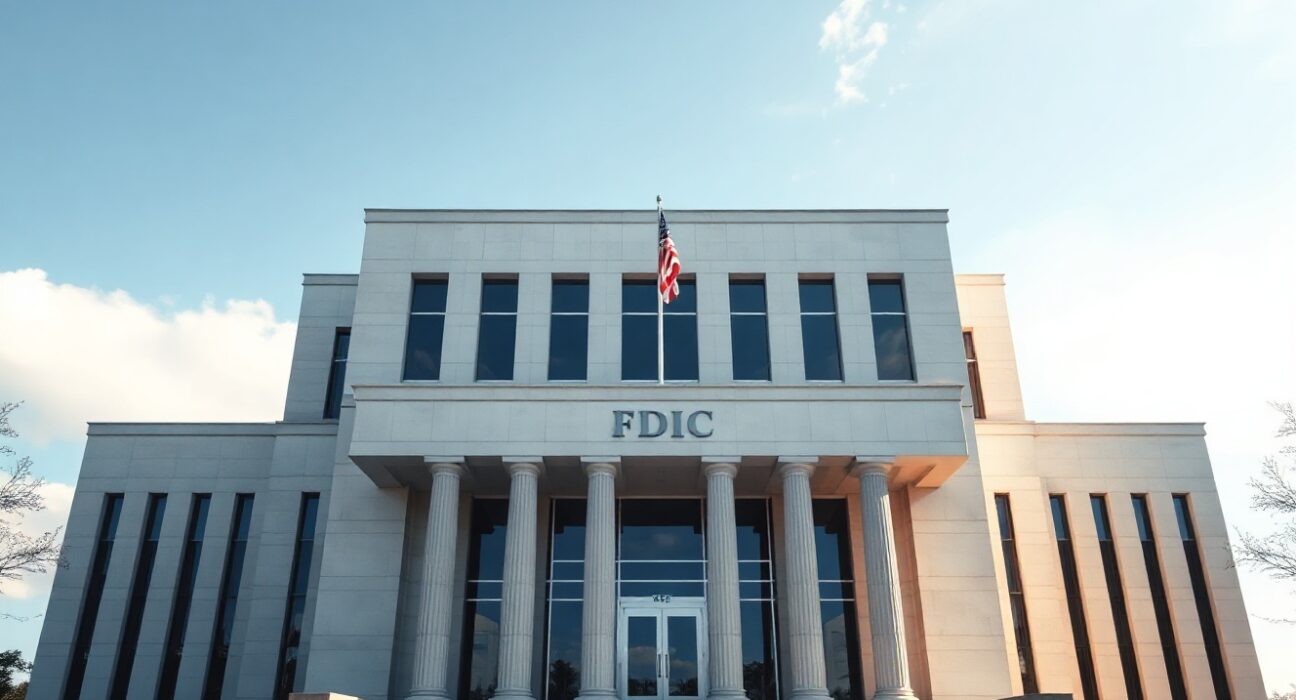
The U.S. Federal Deposit Insurance Corporation (FDIC) has issued new regulatory guidance that subjects stablecoin issuers to stricter compliance standards under the Bank Secrecy Act (BSA) and federal economic sanctions laws. The move marks a significant step in integrating digital asset firms into the traditional financial regulatory framework.
New compliance obligations for stablecoin issuers
Under the updated provisions, stablecoin issuers must adhere to all applicable anti-money laundering (AML) and countering the financing of terrorism (CFT) requirements. This includes full compliance with rules enforced by the Financial Crimes Enforcement Network (FinCEN) and the Office of Foreign Assets Control (OFAC). Issuers are now required to implement robust reporting mechanisms and transaction monitoring systems to detect suspicious activity.
The FDIC’s guidance clarifies that stablecoin issuers, regardless of their corporate structure, must register and maintain programs that meet BSA standards. This includes customer due diligence, recordkeeping, and filing of suspicious activity reports (SARs). The agency emphasized that failure to comply could result in enforcement actions, including civil penalties and potential criminal referrals.
Background and regulatory context
The announcement comes amid a broader push by U.S. regulators to bring stablecoins—digital assets pegged to fiat currencies like the U.S. dollar—under the same oversight as traditional financial institutions. Stablecoins have grown rapidly in market capitalization, prompting concerns about systemic risk, consumer protection, and illicit finance.
Previous regulatory guidance from the President’s Working Group on Financial Markets and the Financial Stability Oversight Council had recommended legislative action. However, the FDIC’s move represents a direct regulatory step, using existing statutory authority to impose compliance obligations without new legislation.
Industry observers note that the FDIC’s action aligns with similar efforts by the Office of the Comptroller of the Currency (OCC) and the Federal Reserve to ensure that digital asset activities do not operate outside the regulatory perimeter.
What this means for stablecoin issuers and users
For stablecoin issuers, the new rules mean increased operational costs related to compliance infrastructure, legal review, and auditing. Smaller issuers may face challenges in meeting these requirements, potentially leading to market consolidation. For users, the regulations aim to provide greater transparency and protection against fraud or mismanagement of reserve assets.
The FDIC’s guidance also has implications for banks that partner with stablecoin issuers. Banks may now be required to conduct enhanced due diligence on their stablecoin clients, adding another layer of compliance to the crypto-banking relationship.
Conclusion
The FDIC’s tightening of compliance rules for stablecoin issuers signals a maturing regulatory environment for digital assets in the United States. By enforcing existing BSA and sanctions frameworks, regulators are closing gaps that previously allowed some stablecoin operations to function with limited oversight. Market participants should prepare for continued regulatory evolution as agencies work to balance innovation with financial integrity.
FAQs
Q1: What is the Bank Secrecy Act and why does it apply to stablecoins?
The Bank Secrecy Act (BSA) requires financial institutions to assist U.S. government agencies in detecting and preventing money laundering. Stablecoin issuers are now classified as financial institutions under the FDIC’s interpretation, making them subject to BSA requirements such as customer identification, recordkeeping, and reporting of suspicious transactions.
Q2: Which agencies enforce the new stablecoin compliance rules?
The FDIC issued the guidance, but the rules reference compliance with FinCEN (for AML/CFT) and OFAC (for sanctions). The FDIC, along with other banking regulators, will oversee implementation for insured institutions, while FinCEN and OFAC retain enforcement authority over their respective regulations.
Q3: How will these rules affect stablecoin users?
Users may experience more stringent identity verification processes and transaction monitoring. However, the rules are intended to reduce risks of fraud, theft, and illicit use, potentially making stablecoins safer for legitimate transactions and savings.
Disclaimer: The information provided is not trading advice, Bitcoinworld.co.in holds no liability for any investments made based on the information provided on this page. We strongly recommend independent research and/or consultation with a qualified professional before making any investment decisions.
