

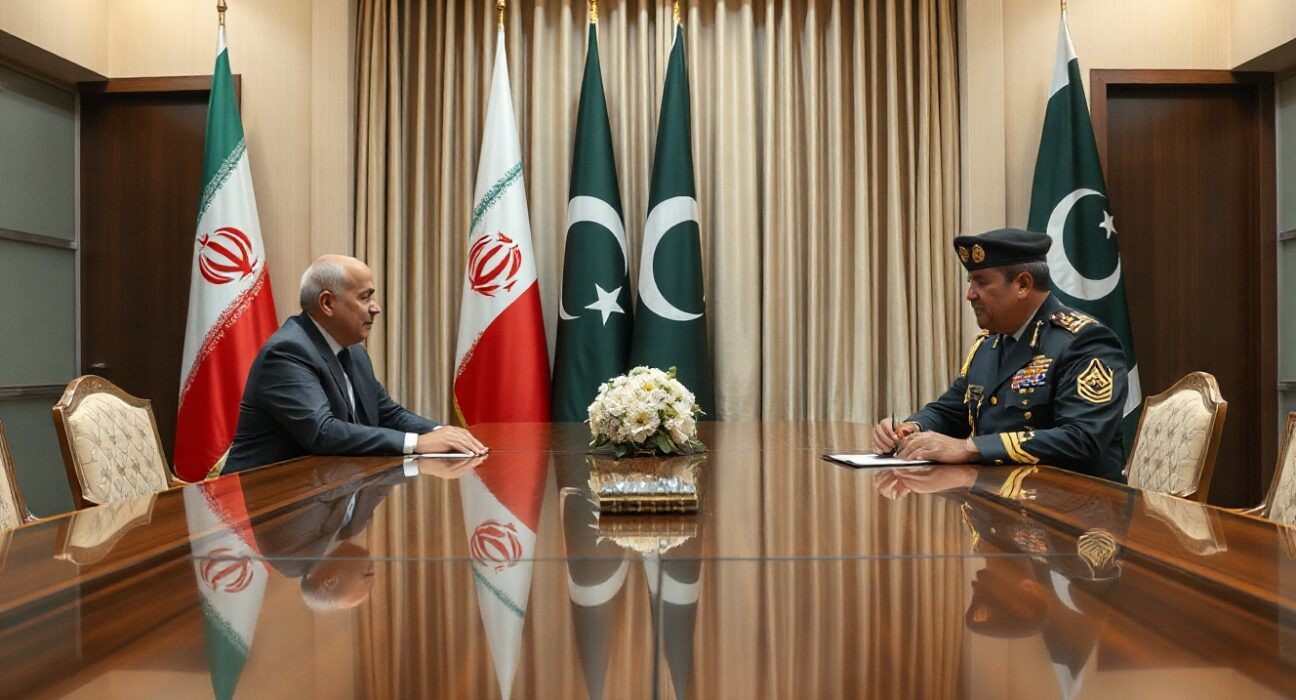
Iranian Foreign Minister Abbas Araghchi held a second meeting with Pakistan’s army chief of staff, General Asim Munir, in Islamabad on Tuesday, according to Iranian state television. The meeting follows earlier discussions between the two sides regarding a proposal from Tehran. Separately, an Iranian Foreign Ministry spokesperson reiterated that significant differences persist between Iran and the United States, underscoring the continued strain in bilateral relations.
Diplomatic Engagement Between Tehran and Islamabad
The back-to-back meetings between Araghchi and Pakistan’s top military leadership signal a deepening of diplomatic engagement between the two neighboring countries. While details of the proposal discussed remain undisclosed, the meetings suggest that regional security and bilateral cooperation are high on the agenda. Pakistan and Iran share a long, porous border that has been a source of both trade and tension, particularly regarding militant activity and smuggling. The renewed dialogue indicates a mutual interest in stabilizing the border region and exploring avenues for enhanced cooperation.
US-Iran Relations: A Persistent Divide
In a separate development, Iranian Foreign Ministry spokesperson Nasser Kanaani stated that the differences between Tehran and Washington remain “large.” This statement comes amid ongoing indirect negotiations and continued tensions over Iran’s nuclear program, sanctions, and regional influence. The US has maintained a policy of maximum pressure, while Iran has resisted calls to curb its nuclear activities without significant relief from economic sanctions. Kanaani’s remarks serve as a reminder that despite occasional diplomatic signals, a fundamental breakthrough remains elusive. The gap between the two capitals is unlikely to narrow in the near term, particularly as both sides approach domestic political cycles that incentivize hardline positions.
Implications for Regional Stability
The simultaneous diplomatic push by Iran toward Pakistan and its firm stance against the US reflects a broader strategy of diversifying foreign relations while maintaining pressure on Washington. For Pakistan, balancing ties with Iran, Saudi Arabia, and the US remains a delicate act. The meetings with the army chief, rather than civilian leadership, underscore the military’s significant role in Pakistan’s foreign policy, particularly regarding security matters. Analysts suggest that any progress on border security or economic cooperation between Iran and Pakistan could have positive spillover effects for regional stability, though the US-Iran impasse continues to cast a shadow over broader Middle Eastern dynamics.
Conclusion
The latest round of Iran-Pakistan military diplomacy, set against the backdrop of unyielding US-Iran tensions, highlights the complex web of regional alliances and rivalries. While the bilateral track between Tehran and Islamabad shows signs of activity, the larger geopolitical standoff with Washington remains entrenched. Readers should watch for further details on the Iranian proposal and any shifts in US policy that could alter the current trajectory.
FAQs
Q1: Why is the Iranian foreign minister meeting Pakistan’s army chief?
A: The meetings focus on bilateral security issues, including border stability and regional cooperation, with Iran reportedly presenting a proposal to Pakistan.
Q2: What are the main differences between the US and Iran?
A: Key disputes include Iran’s nuclear program, US sanctions, Iran’s regional military activities, and the lack of a comprehensive diplomatic agreement.
Q3: How does this affect the broader region?
A: Iran’s engagement with Pakistan reflects its strategy to build regional ties amid isolation from the West. Progress could improve border security, but the US-Iran standoff limits broader stability gains.
Disclaimer: The information provided is not trading advice, Bitcoinworld.co.in holds no liability for any investments made based on the information provided on this page. We strongly recommend independent research and/or consultation with a qualified professional before making any investment decisions.
