

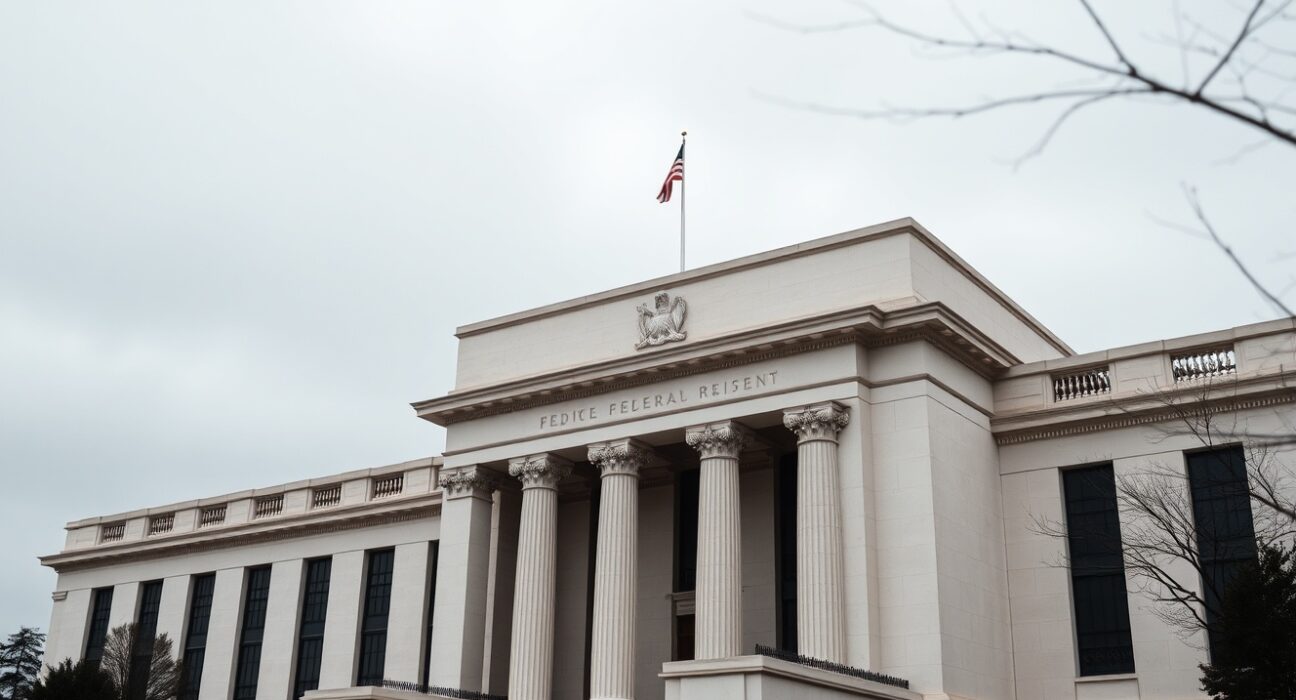
Bank of New York Mellon (BNY) has issued a note to clients highlighting growing hawkish risks for Federal Reserve interest rate policy, signaling that persistent inflation and a resilient labor market could delay or reduce the pace of expected rate cuts. The analysis comes as markets reassess the timeline for monetary easing in 2025.
BNY’s Assessment: Sticky Inflation and Labor Market Strength
BNY strategists point to recent data showing core inflation remaining above the Fed’s 2% target, alongside a labor market that continues to add jobs at a solid pace. These factors, they argue, reduce the urgency for the central bank to lower borrowing costs. The note emphasizes that the Fed’s ‘higher for longer’ stance may persist, with risks tilted toward fewer cuts than currently priced in by futures markets.
Market Implications for Bonds and Equities
If hawkish risks materialize, the impact could be felt across asset classes. Treasury yields may rise further, putting pressure on equity valuations, particularly in growth and technology sectors that are sensitive to discount rates. Conversely, financial stocks could benefit from a steeper yield curve. BNY advises clients to position for potential volatility in rate-sensitive sectors and to consider hedging against a scenario where the Fed holds rates steady through mid-2025.
What This Means for Investors
For retail and institutional investors, the key takeaway is to avoid assuming a rapid pivot to rate cuts. The Fed’s data-dependent approach means that upcoming inflation and employment reports will be critical. A hawkish outcome could mean higher borrowing costs for consumers and businesses, potentially slowing economic activity later in the year. BNY recommends focusing on quality fixed income and defensive equity sectors as a buffer against uncertainty.
Conclusion
BNY’s hawkish risk assessment serves as a sobering reminder that the path to lower rates is not guaranteed. With inflation proving stubborn and the labor market still tight, the Fed is likely to proceed cautiously. Investors should monitor economic data closely and adjust portfolios to reflect a potentially longer period of restrictive monetary policy.
FAQs
Q1: What does ‘hawkish risks’ mean in the context of Fed policy?
Hawkish risks refer to the possibility that the Federal Reserve will maintain or even increase interest rates to combat inflation, rather than cutting them as markets might hope. This typically means tighter monetary policy for longer.
Q2: How does BNY’s analysis differ from current market expectations?
Markets have been pricing in several rate cuts for 2025. BNY warns that these expectations may be too optimistic if inflation remains sticky and the labor market stays strong, suggesting fewer cuts or a later start to the easing cycle.
Q3: What sectors are most vulnerable to a hawkish Fed?
Growth stocks, especially in technology and consumer discretionary, are typically most vulnerable because their valuations rely on future cash flows that are discounted at higher rates. Real estate and utilities may also face headwinds due to higher borrowing costs.
Disclaimer: The information provided is not trading advice, Bitcoinworld.co.in holds no liability for any investments made based on the information provided on this page. We strongly recommend independent research and/or consultation with a qualified professional before making any investment decisions.
