

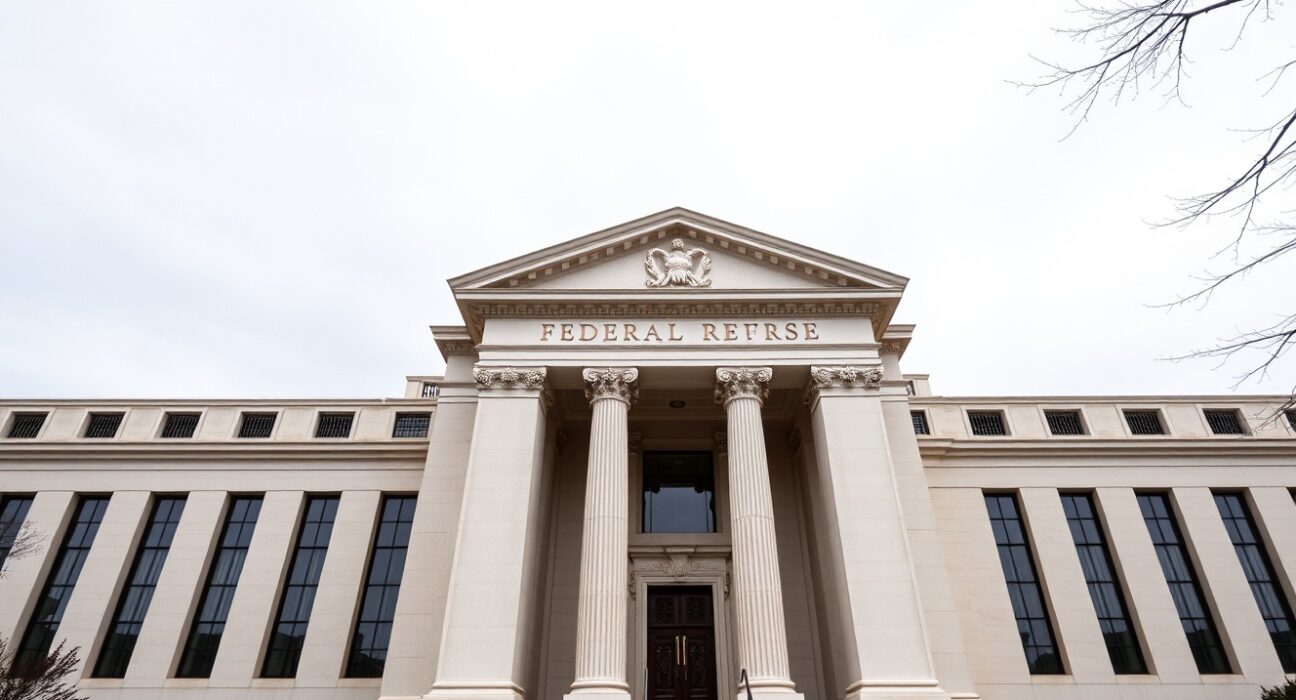
The Federal Reserve’s upcoming Personal Consumption Expenditures (PCE) data release and increasingly hawkish rhetoric from central bank officials are drawing close attention from market analysts, according to a recent note from Deutsche Bank. The report underscores growing uncertainty about the trajectory of inflation and the pace of potential interest rate adjustments.
PCE Data as a Key Inflation Gauge
The PCE price index, the Fed’s preferred measure of inflation, is expected to show persistent price pressures in the coming months. Deutsche Bank analysts point out that while headline inflation has moderated from its 2022 peaks, core PCE readings remain above the central bank’s 2% target. This data point will be critical in shaping the Fed’s next policy moves, as officials weigh the need for further tightening against risks of slowing economic growth.
Hawkish Rhetoric and Market Reaction
Recent comments from several Federal Reserve officials have leaned toward a more hawkish stance, emphasizing the need to maintain restrictive monetary policy until inflation is firmly under control. This rhetoric has contributed to volatility in bond markets and tempered expectations for near-term rate cuts. Deutsche Bank notes that the market is now pricing in a higher probability of rate hikes remaining on the table for longer than previously anticipated.
Implications for Investors and the Economy
For investors, the combination of sticky inflation data and hawkish Fed signals suggests a period of heightened uncertainty. Equity markets may face headwinds as higher-for-longer interest rates weigh on valuations, particularly in growth sectors. On the consumer side, persistent inflation continues to erode purchasing power, while higher borrowing costs slow housing and business investment. The broader economic outlook hinges on whether the Fed can achieve a soft landing—bringing down inflation without triggering a recession.
Conclusion
Deutsche Bank’s analysis highlights a pivotal moment for U.S. monetary policy. The upcoming PCE data and the tone of Fed communications will be closely watched for clues about the central bank’s next steps. Market participants should prepare for continued volatility as the inflation fight enters a more nuanced phase.
FAQs
Q1: What is the PCE price index and why does it matter?
The Personal Consumption Expenditures (PCE) price index is the Federal Reserve’s preferred measure of inflation. It tracks changes in the prices of goods and services purchased by consumers and is used to assess whether the economy is meeting the central bank’s 2% inflation target.
Q2: What does ‘hawkish rhetoric’ mean in the context of the Fed?
Hawkish rhetoric refers to statements by central bank officials that emphasize the need to control inflation, often by maintaining or increasing interest rates. It signals a preference for tighter monetary policy to prevent the economy from overheating.
Q3: How might persistent inflation affect the average consumer?
Persistent inflation reduces the purchasing power of money, meaning consumers pay more for everyday goods and services. It can also lead to higher interest rates on loans and credit cards, making borrowing more expensive for households and businesses.
Disclaimer: The information provided is not trading advice, Bitcoinworld.co.in holds no liability for any investments made based on the information provided on this page. We strongly recommend independent research and/or consultation with a qualified professional before making any investment decisions.
