

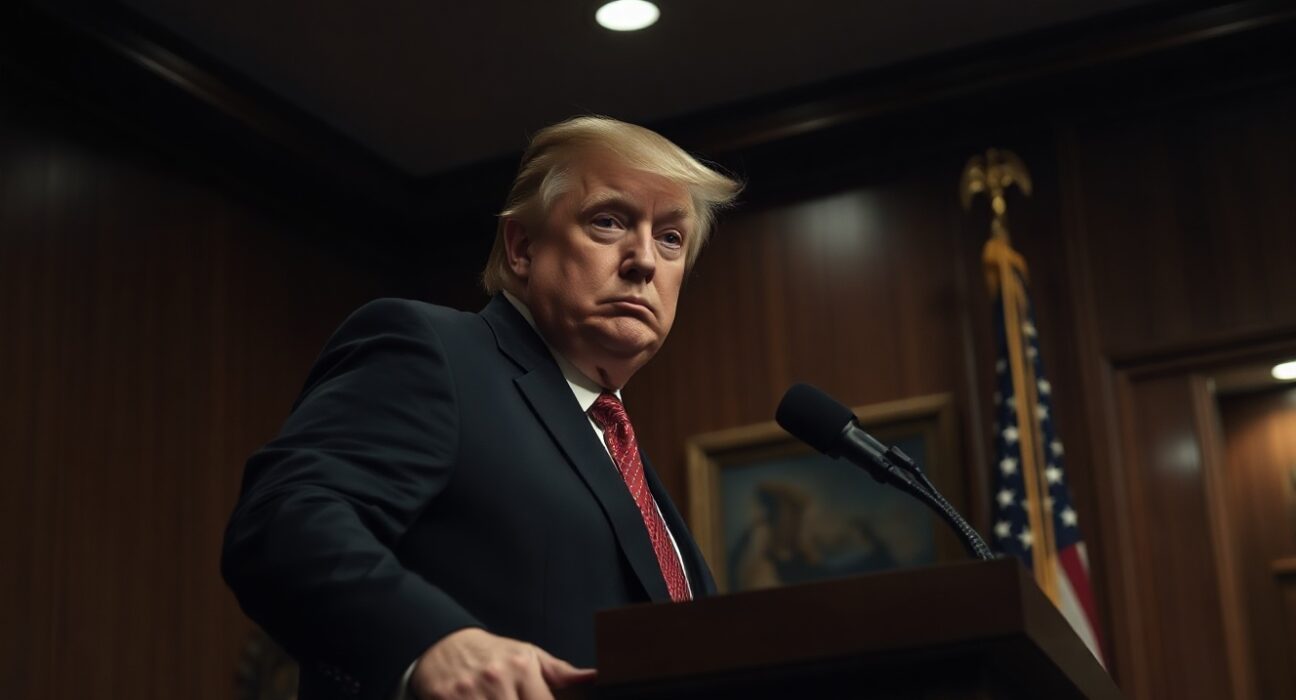
President Donald Trump indicated on Monday that he is not yet satisfied with the pace of nuclear negotiations with Iran, warning that the United States may resort to alternative actions if a diplomatic resolution remains elusive. Speaking during a cabinet meeting at the White House, Trump acknowledged Iran’s apparent eagerness to reach an agreement but stressed that a final deal has not been secured.
White House Signals Growing Impatience
Trump’s remarks, delivered on May 27, come amid ongoing indirect talks between U.S. and Iranian officials, mediated by European and Gulf intermediaries. While the President expressed confidence that a satisfactory outcome could eventually be achieved, he added that if negotiations fail, Washington might need to take other steps to “finish the job.” The phrasing, though deliberately vague, has been interpreted by analysts as a reference to potential economic pressure, military deterrence, or covert operations.
Context of the Current Negotiations
The nuclear talks, which have been conducted in fits and starts since 2021, aim to restore limits on Iran’s uranium enrichment program in exchange for sanctions relief. The original 2015 Joint Comprehensive Plan of Action (JCPOA) was abandoned by the Trump administration in 2018, leading Tehran to accelerate its nuclear activities. Since returning to office, Trump has sought a new, more stringent agreement that addresses ballistic missile development and regional proxy activities—demands that have complicated the diplomatic track.
What ‘Other Measures’ Could Mean
While Trump did not elaborate on the nature of potential alternative actions, the phrase carries significant weight given the administration’s previous use of maximum pressure campaigns. Options could include intensified sanctions enforcement against Iranian oil exports, increased naval presence in the Persian Gulf, or support for opposition groups. However, any military escalation would require Congressional approval and risk broader regional conflict, making it a less likely immediate step.
Why This Matters for Global Markets and Security
The outcome of U.S.-Iran nuclear negotiations has direct implications for global oil prices, regional stability in the Middle East, and non-proliferation efforts. A breakdown in talks could lead to a spike in crude prices, as markets price in potential supply disruptions from the Strait of Hormuz. Additionally, Iran’s enriched uranium stockpile has already surpassed JCPOA limits, raising concerns about a potential nuclear threshold state. For investors, policymakers, and the general public, the trajectory of these talks will shape energy costs and geopolitical risk for the coming year.
Conclusion
Trump’s latest statement reflects a dual strategy: maintaining diplomatic openness while signaling readiness for escalation. The coming weeks will be critical as negotiators attempt to bridge gaps on enrichment levels, sanctions relief, and regional security guarantees. For now, the world watches a high-stakes diplomatic process that could define the Middle East’s security landscape for years to come.
FAQs
Q1: What did President Trump say about the Iran nuclear deal?
Trump stated on May 27 that he is not yet satisfied with the progress of nuclear talks with Iran, expressed confidence a deal could be reached, but warned of unspecified “other measures” if negotiations fail.
Q2: Why are the U.S.-Iran nuclear talks important?
These talks aim to curb Iran’s nuclear program in exchange for sanctions relief. A failure could lead to higher oil prices, regional instability, and the risk of a nuclear-armed Iran.
Q3: What could “other measures” involve?
While not specified, analysts suggest options include tighter sanctions, increased military deterrence, or covert operations. Direct military action is considered less likely without Congressional approval.
Disclaimer: The information provided is not trading advice, Bitcoinworld.co.in holds no liability for any investments made based on the information provided on this page. We strongly recommend independent research and/or consultation with a qualified professional before making any investment decisions.
