

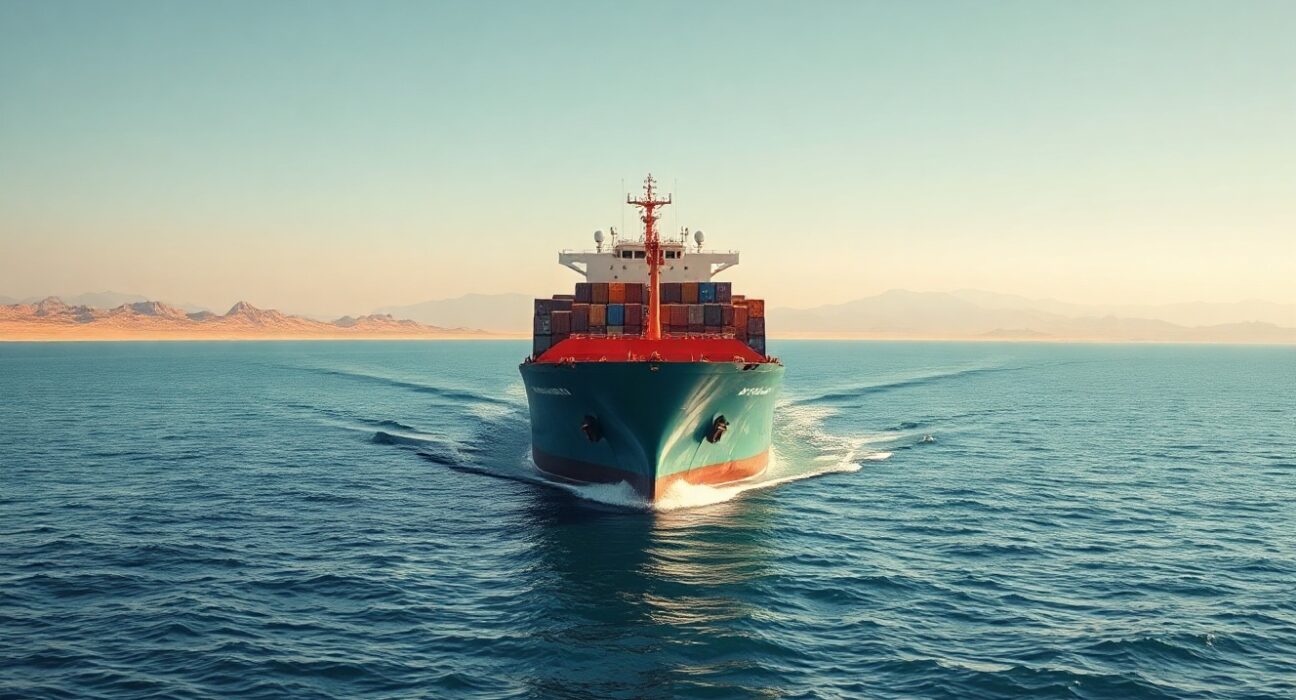
The United States has imposed sanctions on the Persian Gulf Strait Authority, a move widely interpreted as a strategic effort to limit Tehran’s influence over one of the world’s most critical maritime chokepoints. The decision, announced by the Treasury Department, targets an entity that has been increasingly used by Iran to exert control over shipping lanes in the Strait of Hormuz.
Strategic Context of the Strait of Hormuz
The Strait of Hormuz, connecting the Persian Gulf to the Gulf of Oman, handles roughly one-fifth of the global oil supply. Any disruption in this waterway has immediate repercussions on energy prices and global trade. Iran has historically leveraged its geographic position to threaten or disrupt traffic through the strait, particularly during periods of heightened tensions with the West.
The Persian Gulf Strait Authority, though officially presented as a regional regulatory body, has been accused by US officials of operating under Iranian direction to impose fees, restrict passage, and gather intelligence on commercial vessels. The sanctions freeze any US-held assets of the authority and prohibit American entities from engaging in transactions with it.
Implications for Oil Markets and Global Trade
Analysts warn that the sanctions could escalate tensions in a region already on edge. Iran has previously responded to similar measures by increasing naval patrols or threatening to close the strait. While such a closure is unlikely given the international backlash it would provoke, even temporary disruptions could spike oil prices.
The move comes as the Biden administration continues to pursue a dual-track policy of diplomatic engagement with Iran over its nuclear program while maintaining economic pressure. Critics argue that targeting the Strait Authority may undermine ongoing negotiations, while supporters say it is necessary to prevent Tehran from weaponizing global energy supplies.
What This Means for Global Energy Security
For importing nations, particularly in Asia and Europe, the stability of the Strait of Hormuz is a matter of national security. The US sanctions signal a commitment to keeping the waterway open under international law, but they also risk provoking Iranian retaliation. Market analysts are closely monitoring any signs of increased insurance premiums for tankers transiting the region or shifts in shipping routes.
Conclusion
The US sanctions on the Persian Gulf Strait Authority represent a significant escalation in economic pressure against Iran. While intended to curb Tehran’s regional dominance, the move carries inherent risks for global oil markets and maritime security. The coming weeks will reveal whether this action leads to de-escalation or further confrontation in the Gulf.
FAQs
Q1: What is the Persian Gulf Strait Authority?
The Persian Gulf Strait Authority is a regulatory body that oversees maritime traffic through the Strait of Hormuz. The US alleges it operates under Iranian influence to restrict shipping and gather intelligence.
Q2: How will these sanctions affect oil prices?
Immediate price spikes are possible if Iran retaliates by disrupting shipping. However, markets may stabilize if no direct confrontation occurs. The long-term impact depends on how Tehran responds.
Q3: Can the Strait of Hormuz be closed?
While Iran has threatened closure in the past, a full blockade would likely trigger a military response from the US and its allies. Partial disruptions, such as increased inspections or delays, are more probable.
Disclaimer: The information provided is not trading advice, Bitcoinworld.co.in holds no liability for any investments made based on the information provided on this page. We strongly recommend independent research and/or consultation with a qualified professional before making any investment decisions.
