

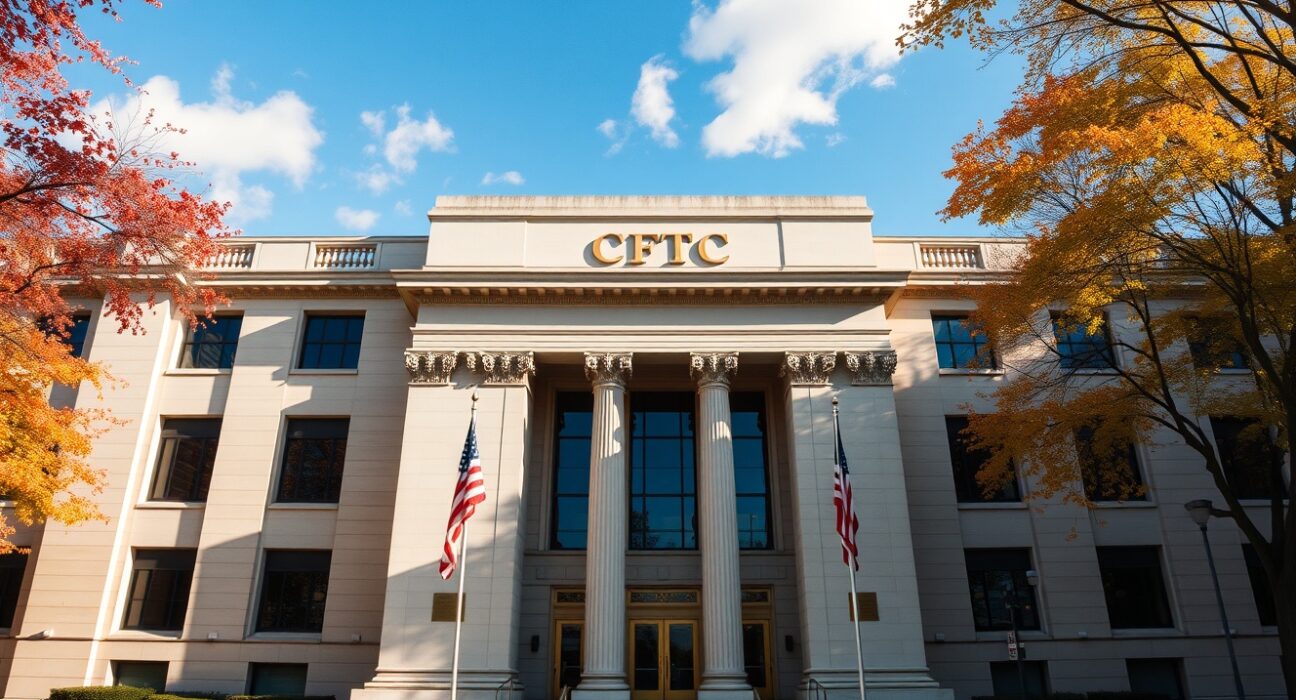
The U.S. Commodity Futures Trading Commission (CFTC) has issued an advisory warning that while round-the-clock derivatives trading may be well-suited for blockchain-based cryptocurrency firms, it could introduce significant risks if applied broadly to traditional financial markets. The advisory, first reported by CoinDesk, highlights the CFTC’s concern that a blanket shift to 24/7 trading and clearing could harm market integrity for certain asset classes.
Why 24/7 Trading Poses Risks for Traditional Markets
The CFTC’s advisory points to fundamental structural differences between cryptocurrency markets and traditional derivatives markets. Unlike crypto assets, which trade continuously on global exchanges, many traditional markets rely on designated trading hours to concentrate liquidity, support orderly price discovery, and reduce operational risks.
According to the commission, extending trading hours without careful consideration could lead to reduced liquidity during off-peak periods, increased intraday volatility, and wider bid-ask spreads. These conditions, the CFTC warns, could create more opportunities for market manipulation, particularly in less liquid instruments or during times of low participation.
Context and Implications for the Crypto Industry
The advisory comes as the crypto industry continues to push for greater integration with traditional financial infrastructure, including around-the-clock trading capabilities. While the CFTC acknowledges that 24/7 operations may be appropriate for digital asset markets, it cautions against assuming the same model works universally.
This nuanced stance reflects the CFTC’s broader approach to crypto regulation under current leadership. The agency has been increasingly active in overseeing digital asset derivatives, while also maintaining traditional market safeguards. The advisory serves as a reminder that market structure decisions should be based on the specific characteristics of each asset class, not driven by technological trends.
What This Means for Market Participants
For traders, exchanges, and clearinghouses, the CFTC’s message is clear: innovation should not come at the cost of market stability. Firms considering 24/7 trading models for non-crypto products should conduct thorough impact assessments, particularly regarding liquidity risk and surveillance capabilities. The advisory may also influence how exchanges design their trading calendars and how regulators approach requests for extended hours.
Conclusion
The CFTC’s advisory does not ban 24/7 trading but urges a careful, market-by-market evaluation. As the lines between crypto and traditional finance continue to blur, this guidance underscores the importance of preserving market quality and investor protection. The commission’s stance is likely to shape ongoing discussions about market structure reform in both digital and traditional asset classes.
FAQs
Q1: Does the CFTC ban 24/7 trading for traditional markets?
No. The CFTC issued an advisory warning that 24/7 trading may be unsuitable for some traditional markets due to risks like reduced liquidity and increased volatility. It does not ban the practice but urges careful evaluation.
Q2: Why is 24/7 trading considered appropriate for crypto but not for other markets?
Crypto markets are inherently global and operate continuously, with participants spread across time zones. Traditional markets often rely on concentrated trading hours to ensure liquidity and orderly price discovery. Applying a 24/7 model to less liquid assets could fragment trading and increase manipulation risks.
Q3: What should firms do if they want to offer 24/7 derivatives trading?
The CFTC recommends that firms conduct thorough impact assessments, including analysis of liquidity, volatility, and surveillance capabilities, before extending trading hours. The advisory suggests that a one-size-fits-all approach is not appropriate.
Disclaimer: The information provided is not trading advice, Bitcoinworld.co.in holds no liability for any investments made based on the information provided on this page. We strongly recommend independent research and/or consultation with a qualified professional before making any investment decisions.
