

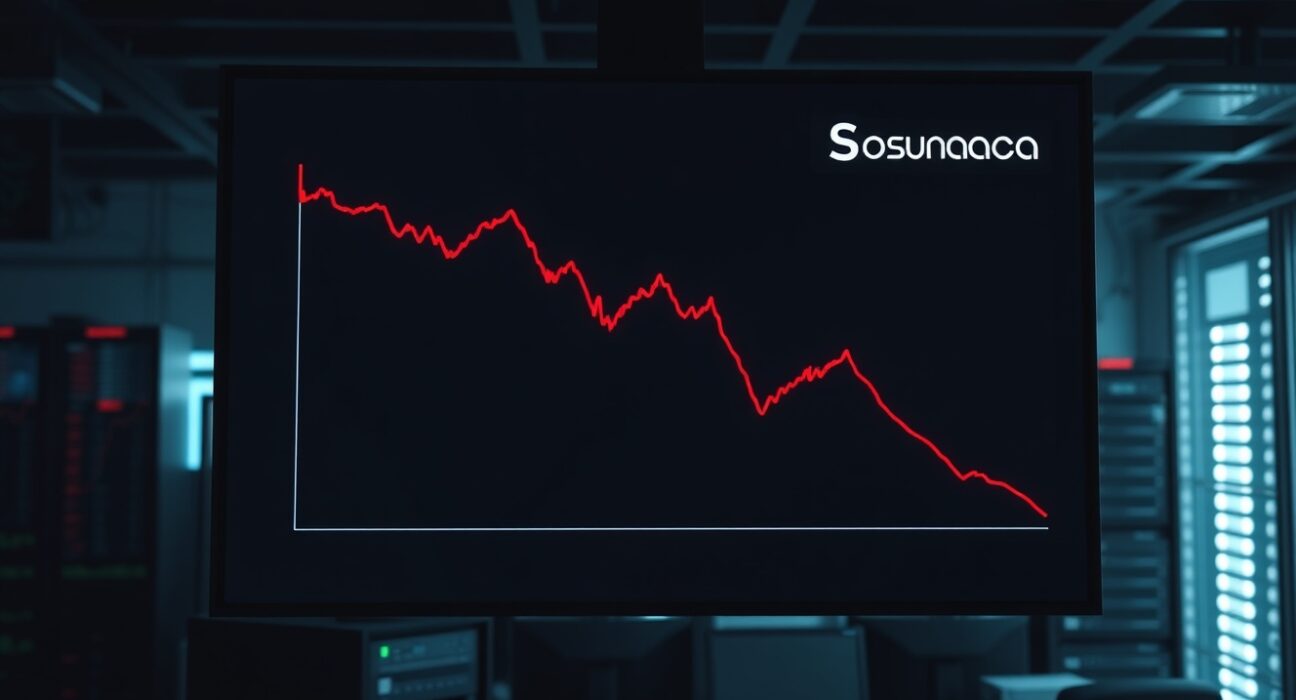
The weekly trading volume on Solana-based decentralized exchanges (DEXs) has suffered a dramatic collapse, plummeting 82% over the past two weeks from $104.3 billion to $18.8 billion, according to data from Dune Analytics cited by BeInCrypto. The sharp decline signals a rapid unwinding of the memecoin-driven trading activity that had propelled Solana’s DeFi ecosystem to record levels earlier this year.
Meteora Leads the Decline
Among the hardest-hit platforms is Meteora (MET), a Solana-native DEX that saw its weekly volume crater from $93.1 billion in the second week of May to just $9.2 billion by the fourth week — a drop of over 90%. The platform had been a primary venue for memecoin trading, attracting both retail speculators and automated trading bots chasing rapid price movements.
The broader Solana DEX ecosystem, which includes major players like Raydium and Orca, experienced similar declines as liquidity evaporated and trading activity contracted across the board.
Why the Volume Collapsed
Market analysts point to several converging factors behind the sudden downturn. The number of new memecoin launches has slowed considerably in recent weeks, reducing the supply of fresh tokens that typically attract speculative capital. Without new narratives to sustain interest, existing memecoin projects have struggled to maintain trading volume and price levels.
Additionally, the profitability of trading bots — which had been a significant driver of transaction volume — has declined as spreads narrowed and volatility eased. Many bot operators have scaled back activity or exited the market entirely.
Investor Sell-Offs Add Pressure
On-chain data reveals that a cohort of Solana (SOL) investors who had held their tokens for between one and two years has been actively selling, adding downward pressure on the network’s native asset. This cohort, often referred to as ‘mid-term holders,’ typically represents a stabilizing force, but their recent distribution suggests a shift in sentiment among more experienced market participants.
The selling has contributed to a broader risk-off mood across the Solana ecosystem, further discouraging new liquidity from entering DEX pools.
What This Means for Solana’s DeFi Outlook
The 82% volume decline raises questions about the sustainability of Solana’s DeFi growth, which had been heavily dependent on memecoin speculation. While the network’s low transaction costs and high throughput remain technical advantages, the current contraction highlights the risks of a trading ecosystem built on hype-driven assets.
For traders and investors, the pullback may present a reality check. The rapid inflow and outflow of capital underscore the speculative nature of memecoin markets and the importance of monitoring on-chain activity for early signs of trend reversals.
Longer-term, the Solana ecosystem may need to diversify its DeFi use cases beyond memecoin trading to build more resilient volume and liquidity. Projects focused on lending, borrowing, and real-world asset tokenization could help stabilize activity during speculative downturns.
Conclusion
The 82% plunge in Solana DEX trading volume reflects a rapid cooling of memecoin enthusiasm, with Meteora suffering the most severe losses. Reduced new token launches, declining bot profitability, and sell-offs by mid-term SOL holders have all contributed to the downturn. The episode serves as a reminder of the volatility inherent in crypto markets and the risks of concentrated speculative activity. Whether Solana’s DeFi ecosystem can pivot toward more sustainable use cases will be a key narrative to watch in the coming months.
FAQs
Q1: What caused the 82% drop in Solana DEX trading volume?
The decline is attributed to a combination of fewer new memecoin launches, reduced liquidity, lower profitability for trading bots, and selling pressure from mid-term SOL holders.
Q2: Which Solana DEX was hit hardest by the volume decline?
Meteora (MET) saw its weekly volume fall from $93.1 billion to $9.2 billion, a decline of over 90%, making it the most affected major platform.
Q3: Does this decline affect Solana’s long-term viability?
While the drop highlights risks of over-reliance on memecoin trading, Solana’s technical advantages remain intact. The ecosystem’s ability to attract diverse DeFi applications will determine its long-term resilience.
Disclaimer: The information provided is not trading advice, Bitcoinworld.co.in holds no liability for any investments made based on the information provided on this page. We strongly recommend independent research and/or consultation with a qualified professional before making any investment decisions.
