

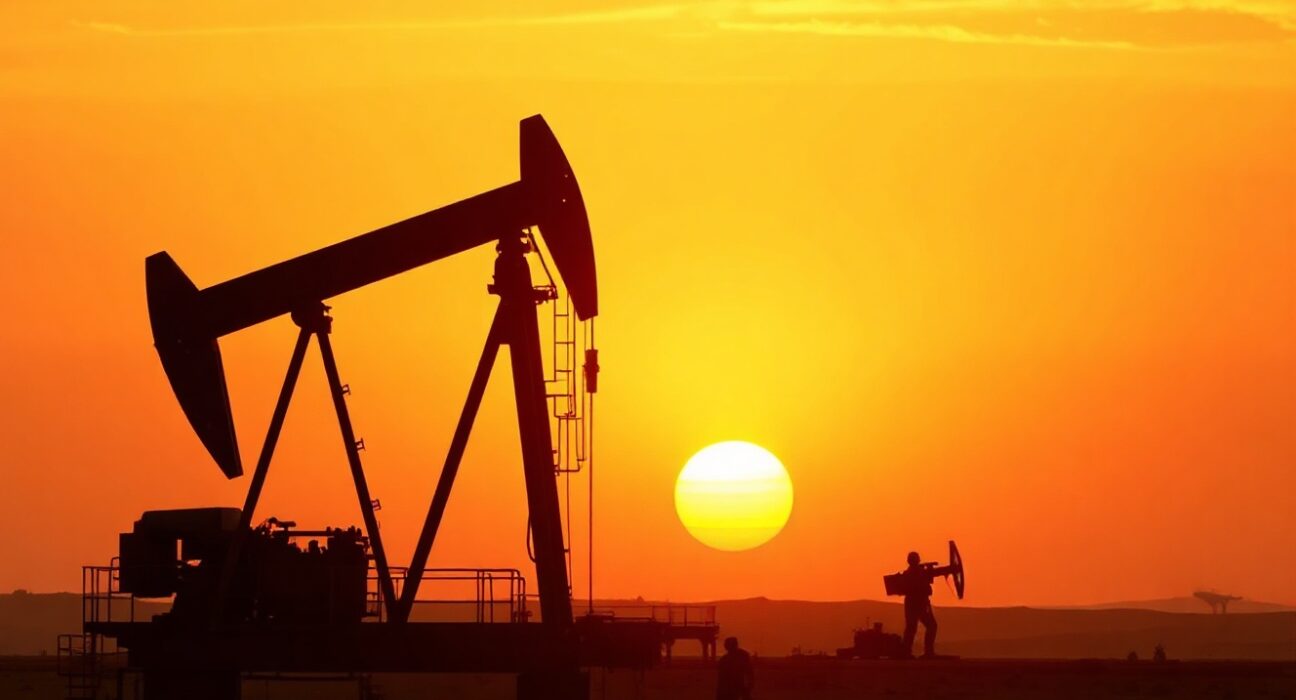
West Texas Intermediate (WTI) crude oil prices climbed sharply toward $93.00 per barrel on Monday following reports that Iran launched missiles toward military positions in Kuwait and Bahrain. The escalation marks a significant widening of the regional conflict and has reignited fears of supply disruptions from the world’s most critical oil-producing region.
Missile Strikes and Immediate Market Reaction
According to initial reports from regional defense officials, multiple ballistic missiles were fired from Iranian territory early Monday, targeting U.S. and allied military installations in Kuwait and Bahrain. Air defense systems intercepted several projectiles, but debris fell in populated areas, causing civilian injuries in at least one location. No immediate claims of responsibility were issued by Iranian state media, but the attack follows weeks of heightened rhetoric between Tehran and Gulf Cooperation Council (GCC) states.
WTI futures on the New York Mercantile Exchange jumped more than 3.5% in early Asian trading, breaching the $92.50 resistance level before settling near $93.00. Brent crude, the international benchmark, also surged past $97.00, reflecting the broad-based risk premium now embedded in oil prices. Trading volumes spiked as algorithmic and institutional traders moved to hedge against further escalation.
Why This Matters for Global Energy Markets
The Strait of Hormuz, a narrow waterway between Iran and the Arabian Peninsula, remains the world’s most critical oil chokepoint. Approximately 21 million barrels of oil pass through it daily — roughly 21% of global petroleum consumption. Any military confrontation involving Iran, Kuwait, or Bahrain raises the probability of supply disruptions, whether through direct attacks on tankers, mine-laying operations, or retaliatory closures by Tehran.
Kuwait and Bahrain are not major crude producers compared to Saudi Arabia or Iraq, but their strategic location and hosting of U.S. military assets make them flashpoints. The attack signals that Iran is willing to expand the theater of conflict beyond its immediate borders, a development that analysts say could force the Biden administration to reconsider its diplomatic posture in the region.
Supply Risk and OPEC+ Dynamics
OPEC+ members, including Saudi Arabia, the UAE, and Iraq, have spare production capacity that could theoretically offset a short-term disruption. However, the cartel has been cautious about increasing output, citing uncertain demand forecasts and previous disagreements over baseline production quotas. If the conflict escalates further, the market may question whether OPEC+ can respond quickly enough to prevent a sustained price spike.
Moreover, the attack comes at a time when global oil inventories are already below their five-year average, according to the International Energy Agency (IEA). Refineries in Asia and Europe are running at high utilization rates to meet post-pandemic demand, leaving little buffer against sudden supply losses.
Geopolitical Context and Escalation Risks
This is not the first time Iran has targeted Gulf states during periods of tension. In September 2019, a drone and missile attack on Saudi Aramco’s Abqaiq and Khurais facilities temporarily cut global production by 5.7 million barrels per day, sending oil prices soaring by 15% in a single session. The current incident bears similarities, but the involvement of Kuwait and Bahrain — both hosting significant U.S. military infrastructure — introduces a higher risk of direct American retaliation.
U.S. Central Command (CENTCOM) has not yet issued a formal statement, but Pentagon officials confirmed that defensive systems were activated and that assessments of damage are ongoing. The White House National Security Council is reportedly convening an emergency meeting to evaluate response options, which could range from diplomatic condemnation to targeted strikes on Iranian missile launch sites.
Conclusion
The missile strikes on Kuwait and Bahrain represent a dangerous escalation in Middle East tensions, with immediate consequences for global oil markets. WTI crude’s surge toward $93 reflects not just the physical threat to infrastructure, but the broader uncertainty surrounding regional stability and energy security. Traders and policymakers alike will be watching closely for any signs of further military action or diplomatic de-escalation in the coming hours. For now, the risk premium on crude is likely to remain elevated, with the potential for further spikes if the situation deteriorates.
FAQs
Q1: Why did oil prices rise after Iran launched missiles toward Kuwait and Bahrain?
Oil prices rose because the attack increases the risk of supply disruptions from the Middle East, particularly through the Strait of Hormuz. Markets price in geopolitical risk premiums when conflict threatens major production or transit routes.
Q2: How much oil passes through the Strait of Hormuz daily?
Approximately 21 million barrels of crude oil and petroleum products transit the Strait of Hormuz each day, accounting for about 21% of global consumption. It is the world’s most important oil chokepoint.
Q3: Can OPEC+ offset a potential supply disruption from this conflict?
OPEC+ has spare capacity, primarily in Saudi Arabia and the UAE, but the cartel has been reluctant to increase output rapidly. If the disruption is large or prolonged, the market may still face a significant supply deficit despite OPEC+ intervention.
Disclaimer: The information provided is not trading advice, Bitcoinworld.co.in holds no liability for any investments made based on the information provided on this page. We strongly recommend independent research and/or consultation with a qualified professional before making any investment decisions.
