

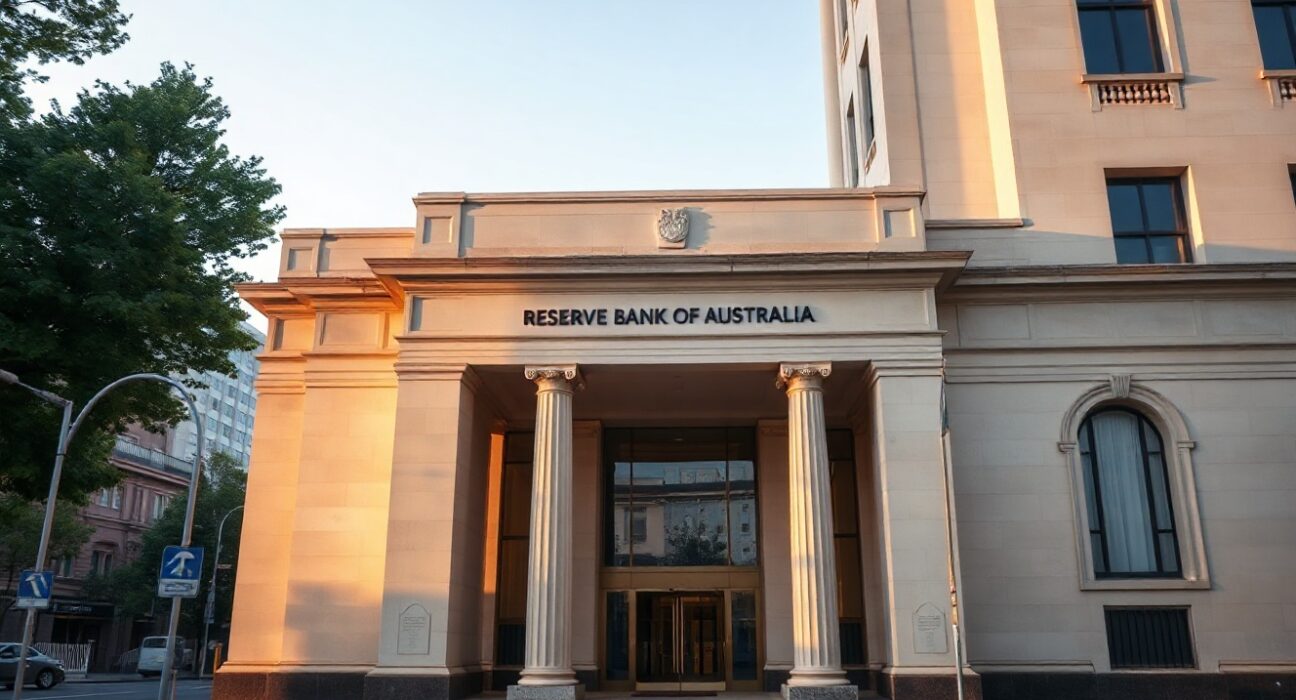
The Reserve Bank of Australia (RBA) is likely to maintain its current interest rate stance as the domestic economy shows signs of slowing growth, according to analysts at United Overseas Bank (UOB). The assessment, published in a recent research note, suggests that the central bank’s cautious approach is justified amid weakening economic momentum.
UOB’s Analysis: A Cautious RBA
UOB economists point to several indicators that support a hold decision at the RBA’s upcoming meetings. Key data points include softening consumer spending, a cooling housing market, and global economic uncertainties that continue to weigh on Australia’s export-dependent sectors. The analysts note that while inflation remains above the RBA’s target band, the pace of price increases is moderating, reducing the urgency for further tightening.
The RBA has already raised interest rates significantly over the past 18 months, and UOB believes the full impact of those hikes is still filtering through the economy. A premature move to cut rates could reignite inflationary pressures, while further hikes risk tipping the economy into a sharper downturn. The ‘hold’ position is seen as the most prudent path for now.
Market Implications and Investor Sentiment
Financial markets have already priced in a high probability of the RBA holding rates steady at its next meeting. The Australian dollar has remained relatively stable against major currencies, reflecting the market’s acceptance of this outlook. Bond yields have also eased slightly, suggesting investors are aligning with the view that the tightening cycle has peaked.
For mortgage holders and businesses, a prolonged pause offers some relief from further borrowing cost increases. However, UOB warns that the RBA is likely to maintain a hawkish tone in its forward guidance, signaling that rates could rise again if inflation proves sticky. This keeps the door open for future adjustments while avoiding unnecessary market disruption.
Why This Matters for the Broader Economy
The RBA’s decision has direct consequences for household budgets, business investment, and the broader Australian economic outlook. A sustained hold would support consumer confidence and spending, which are critical for growth. Conversely, any surprise move could unsettle markets and dampen economic activity.
UOB’s analysis adds to a growing consensus among economists that the RBA will remain on hold for the remainder of the year, barring any major economic shocks. The focus now shifts to upcoming employment and inflation data, which will provide further clues about the central bank’s next move.
Conclusion
The Reserve Bank of Australia’s decision to hold interest rates appears well-supported by slowing economic growth, according to UOB. While the central bank remains vigilant on inflation, the balance of risks suggests a cautious, data-dependent approach. Investors and consumers should expect stability in the near term, but remain alert to potential shifts in the economic landscape.
FAQs
Q1: What is the Reserve Bank of Australia’s current interest rate?
The RBA’s official cash rate is currently 4.35%, following a series of increases since May 2022. The rate has been held steady since November 2023.
Q2: Why does UOB believe the RBA will hold rates?
UOB points to slowing economic growth, moderating inflation, and the lagged effects of previous rate hikes as key reasons for the RBA to maintain its current stance rather than cutting or raising rates.
Q3: How might the RBA’s decision affect Australian mortgage holders?
A hold decision means no immediate change to variable mortgage rates, providing temporary relief. However, borrowers should remain cautious as the RBA could still raise rates if inflation does not continue to moderate.
Disclaimer: The information provided is not trading advice, Bitcoinworld.co.in holds no liability for any investments made based on the information provided on this page. We strongly recommend independent research and/or consultation with a qualified professional before making any investment decisions.
