

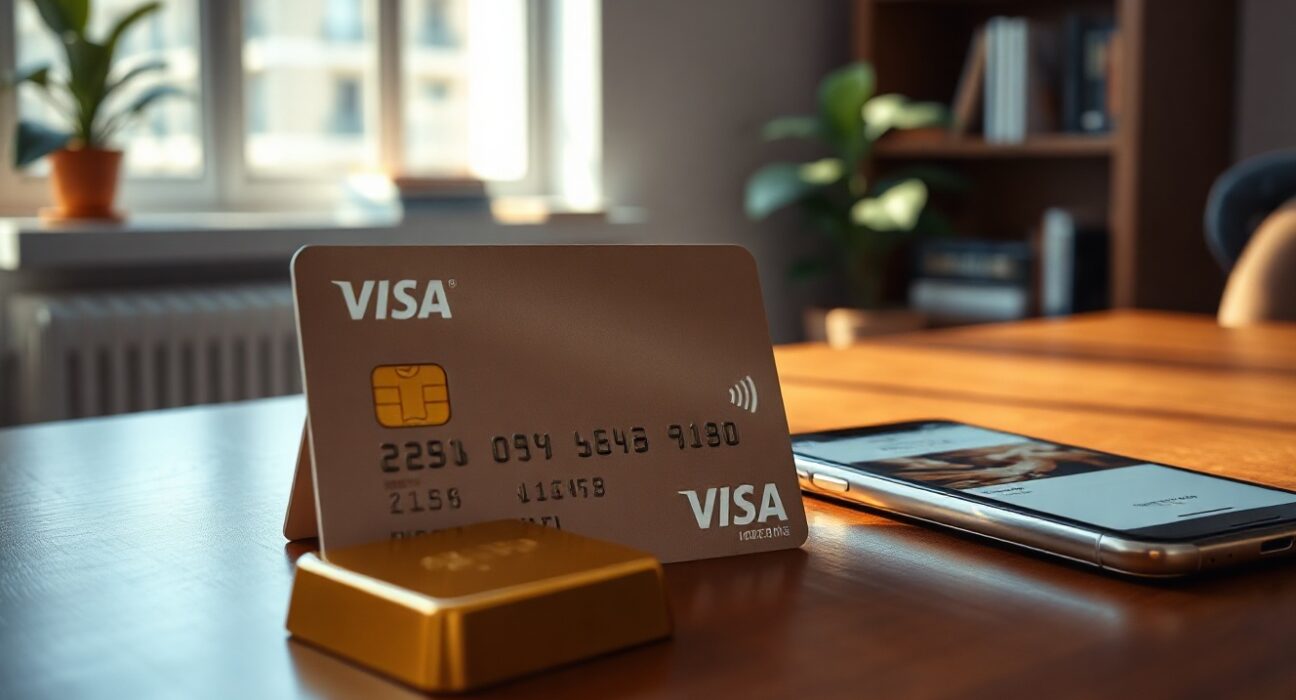
Tether, the company behind the world’s largest stablecoin by market capitalization, has announced a partnership with digital banking and investment platform Fasset to introduce a Visa credit and debit card linked to gold assets. The card, described by the firms as the first neobanking Visa card tied to gold, allows users to earn rewards in Tether Gold (XAU₮) tokens and automatically convert gold holdings into local currency for payments.
How the Gold-Backed Card Works
The card is designed to bridge the gap between physical gold holdings and everyday spending. When a user makes a purchase, their Tether Gold (XAU₮) tokens are automatically converted into Tether’s USD₮ stablecoin, and then into the local fiat currency for settlement within seconds. This process eliminates the need for manual conversion and aims to make gold-backed digital assets more practical for daily transactions.
Users can earn up to 6% of their purchase amount back in Tether Gold tokens, depending on specific conditions such as spending volume and card tier. Additionally, the card features an automatic spare change function that rounds up transactions and reinvests the difference into Tether Gold, allowing users to accumulate gold holdings incrementally.
Market Context and Implications
The launch comes at a time when gold prices have reached record highs, driven by global economic uncertainty and inflation concerns. Tether Gold (XAU₮) is a digital token backed by physical gold stored in Swiss vaults, offering a way to hold gold without the logistical challenges of physical ownership. By integrating this with a Visa card, Tether and Fasset are attempting to make gold more liquid and usable for everyday expenses.
Industry analysts note that the card could appeal to investors looking to hedge against fiat currency devaluation while still maintaining spending flexibility. However, the success of the product will depend on adoption rates, merchant acceptance, and the stability of the underlying gold price.
Regulatory and Competitive Landscape
The card is launching through Fasset, which holds regulatory licenses in multiple jurisdictions including the United Arab Emirates and Indonesia. The partnership leverages Fasset’s existing infrastructure for digital asset management and compliance. Competitors in the crypto card space, such as those offered by Binance and Crypto.com, typically offer cashback in their native tokens or stablecoins, but few have tied rewards directly to physical gold.
Tether has faced regulatory scrutiny in the past regarding the transparency of its reserve backing, but the company has recently published attestations from independent accounting firms. The gold-backed card represents a diversification of Tether’s product offerings beyond its stablecoin business.
Conclusion
The Tether-Fasset Visa card is a notable experiment in making gold-backed digital assets functional for everyday spending. While the concept is innovative, its long-term viability will depend on user adoption, regulatory clarity, and the ability to maintain seamless conversion processes. For now, it offers a new option for crypto-savvy investors who want to spend their gold holdings without selling them.
FAQs
Q1: What is Tether Gold (XAU₮)?
XAU₮ is a digital token issued by Tether, representing ownership of one troy ounce of physical gold stored in Swiss vaults. It combines the stability of gold with the flexibility of blockchain technology.
Q2: How does the cashback work?
Users earn up to 6% of their purchase amount back in Tether Gold tokens. The exact percentage depends on factors like spending volume and card tier. Rewards are automatically credited to the user’s wallet.
Q3: Is the card available globally?
The card is initially available through Fasset’s platform in supported regions. Availability may be subject to local regulations and licensing. Users should check Fasset’s website for specific country eligibility.
Disclaimer: The information provided is not trading advice, Bitcoinworld.co.in holds no liability for any investments made based on the information provided on this page. We strongly recommend independent research and/or consultation with a qualified professional before making any investment decisions.
