

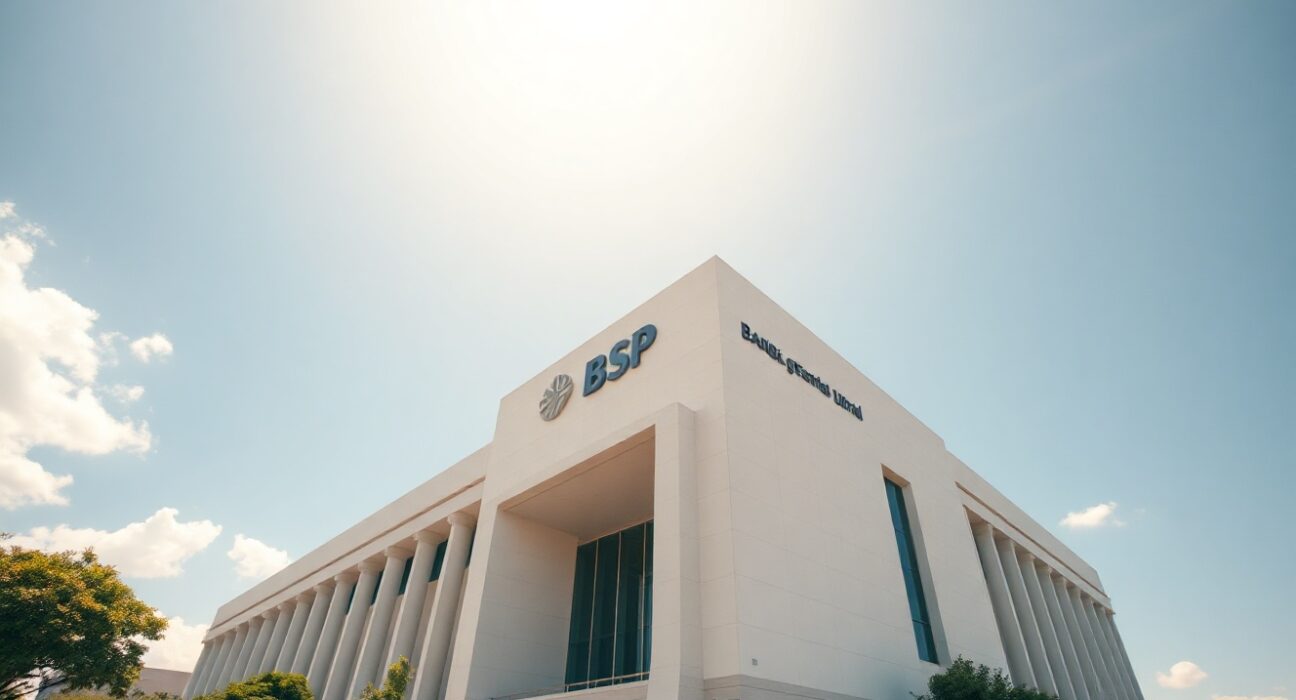
The Philippines continues to grapple with significant inflation risks, according to a recent analysis from DBS, which underscores the Bangko Sentral ng Pilipinas (BSP) cautious approach to monetary policy. The assessment comes amid ongoing global price pressures and domestic supply-side challenges that keep the central bank on alert.
Persistent Price Pressures and Policy Constraints
DBS economists point to a combination of factors sustaining inflation above the BSP’s target range. Elevated food prices, driven by weather-related disruptions and global commodity volatility, remain a primary concern. Additionally, transport costs and energy prices continue to exert upward pressure on consumer prices. The analysis suggests that the BSP is likely to maintain a tight monetary stance in the near term, prioritizing inflation control over growth stimulation. This cautious posture reflects the central bank’s commitment to anchoring inflation expectations, even as the economy shows signs of recovery.
Market Implications and Investor Outlook
The DBS report carries significant implications for financial markets. Persistent inflation risks may delay any potential rate cuts, keeping Philippine bond yields elevated and the peso under pressure. For investors, this environment favors a defensive approach, with a focus on fixed-income instruments that offer protection against rising prices. The BSP’s next policy meeting will be closely watched for signals on the trajectory of interest rates. Any shift in rhetoric or action could trigger market adjustments across currencies and bonds in the region.
What This Means for Consumers and Businesses
For Filipino households, sustained inflation means continued strain on purchasing power, particularly for lower-income groups. Businesses, especially those reliant on imported inputs, face higher operational costs. The BSP’s tight policy stance, while necessary to curb inflation, may also temper domestic demand and investment. Understanding these dynamics helps readers navigate their financial decisions, from savings to spending and investment strategies.
Conclusion
DBS’s analysis reinforces the view that the Philippines is navigating a challenging inflationary environment, with the BSP maintaining a vigilant and cautious monetary stance. The interplay of global and domestic factors will continue to shape policy decisions and market outcomes. For stakeholders, staying informed on these developments is crucial for effective planning and risk management.
FAQs
Q1: What are the main drivers of inflation in the Philippines according to DBS?
A1: DBS highlights elevated food prices due to weather disruptions, global commodity volatility, transport costs, and energy prices as key drivers of inflation.
Q2: How might the BSP’s stance affect interest rates?
A2: The BSP is expected to maintain a tight monetary policy, which could delay potential rate cuts and keep borrowing costs higher in the near term.
Q3: What should investors consider given the inflation risks?
A3: Investors may consider a defensive strategy, focusing on fixed-income assets that offer protection against rising prices, while monitoring the BSP’s policy signals for market adjustments.
Disclaimer: The information provided is not trading advice, Bitcoinworld.co.in holds no liability for any investments made based on the information provided on this page. We strongly recommend independent research and/or consultation with a qualified professional before making any investment decisions.
