

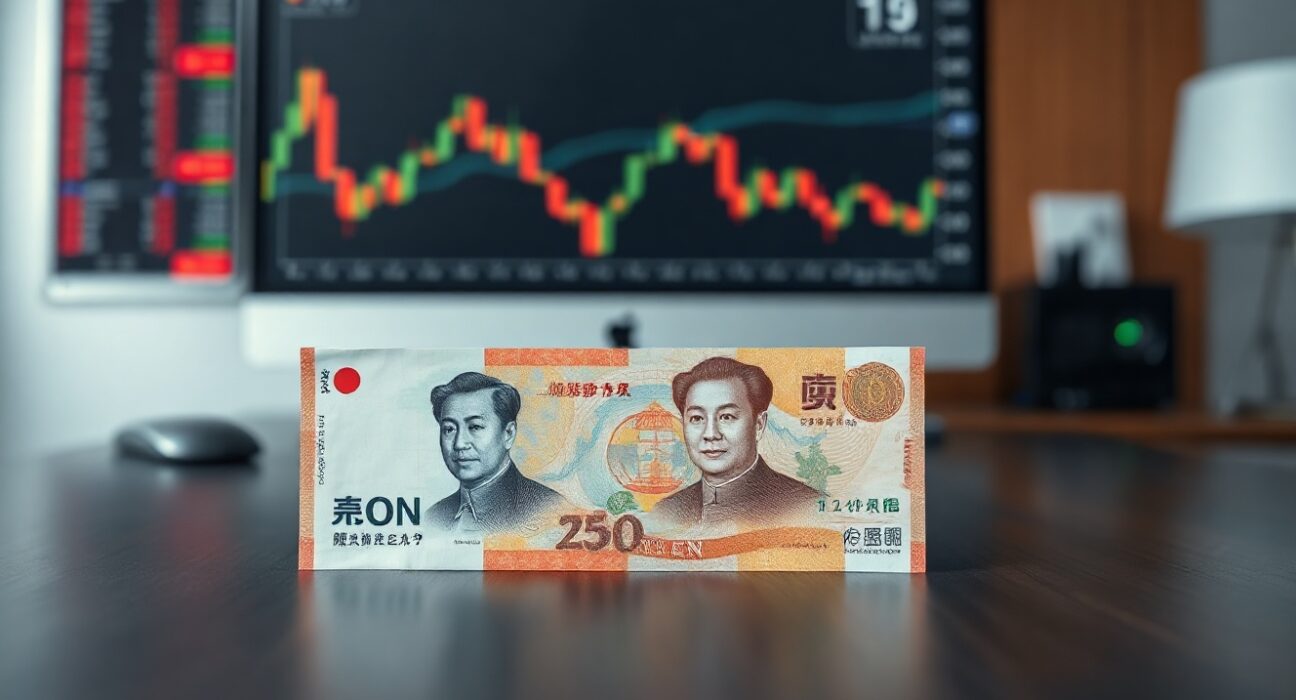
Asian currencies found some stability on Wednesday after a turbulent period marked by a resurgent US dollar and escalating geopolitical tensions in the Gulf region. The Japanese yen, Chinese yuan, and South Korean won all traded in narrow ranges, signaling a tentative pause in the recent sell-off that had pushed several regional currencies to multi-month lows.
Dollar Strength Pressures Regional Markets
The primary driver of the recent weakness in Asian foreign exchange markets has been the persistent strength of the US dollar. Robust US economic data, including stronger-than-expected employment figures and sticky inflation readings, have dampened expectations for early interest rate cuts by the Federal Reserve. This has kept US Treasury yields elevated, making dollar-denominated assets more attractive and drawing capital away from emerging markets.
For Asian economies, a stronger dollar increases the cost of imported goods and raises the burden of dollar-denominated debt. Central banks in the region, including the People’s Bank of China and the Bank of Korea, have been intervening in currency markets to prevent excessive volatility, but the underlying pressure remains.
Gulf Tensions Add Geopolitical Risk Premium
Compounding the economic headwinds, renewed instability in the Gulf region has injected a fresh layer of risk into global markets. Recent military actions and diplomatic breakdowns have raised concerns about potential disruptions to oil supply routes, pushing crude oil prices higher. For net oil-importing Asian nations such as India, Japan, and South Korea, rising energy costs threaten to widen trade deficits and fuel inflation, further pressuring their currencies.
Market participants are closely monitoring diplomatic channels for any signs of de-escalation, but the uncertainty has kept risk appetite subdued. Safe-haven flows into the dollar and gold have continued, limiting the recovery potential for Asian FX.
What This Means for Investors and Businesses
For importers and companies with foreign currency exposure, the current environment underscores the importance of hedging strategies. The volatility in currency markets can directly impact profit margins for firms that rely on cross-border trade. Investors in Asian equities and bonds should also be aware that a weaker local currency can erode returns when measured in dollar terms.
Looking ahead, the trajectory of Asian currencies will largely depend on two factors: the path of US interest rates and the evolution of Gulf geopolitical risks. Any signal from the Federal Reserve that it is moving closer to cutting rates could relieve pressure on Asian FX. Similarly, a diplomatic resolution in the Gulf would remove a significant risk premium.
Conclusion
The recent stabilization in Asian currencies should be viewed as a pause rather than a reversal. The fundamental drivers of dollar strength and geopolitical uncertainty remain intact. While central banks in the region have tools to manage short-term volatility, sustained recovery will require a shift in the global macro backdrop. Traders and businesses should remain cautious and prepared for continued fluctuations in the weeks ahead.
FAQs
Q1: Why are Asian currencies weakening against the US dollar?
A1: The primary reasons are a stronger US dollar driven by robust US economic data and delayed Federal Reserve rate cuts, combined with geopolitical tensions in the Gulf region that increase risk aversion and push up oil prices.
Q2: How do Gulf tensions affect Asian currencies?
A2: Gulf tensions raise oil prices, which increases import costs for Asian economies that rely on imported crude. This can widen trade deficits and fuel inflation, putting downward pressure on local currencies.
Q3: What can Asian central banks do to stabilize their currencies?
A3: Central banks can intervene directly by selling US dollar reserves and buying local currency, raise interest rates to attract capital, or implement capital controls. However, these measures are often temporary and can have side effects on domestic economic growth.
Disclaimer: The information provided is not trading advice, Bitcoinworld.co.in holds no liability for any investments made based on the information provided on this page. We strongly recommend independent research and/or consultation with a qualified professional before making any investment decisions.
