

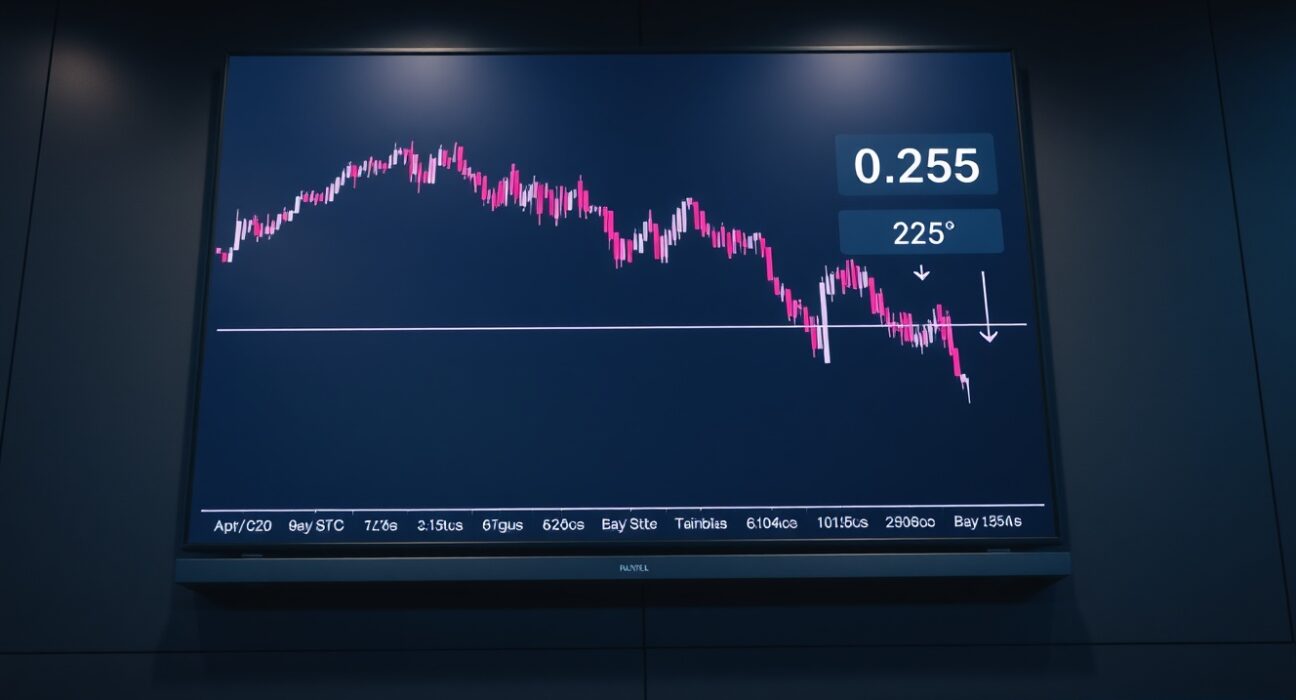
The ETH/BTC ratio has fallen to approximately 0.0265, a level not seen since 2016, marking a significant erosion of Ethereum’s relative strength against Bitcoin over the past several years. According to data from FinanceSpeed, the decline reflects a sustained period of underperformance for Ether as market dynamics shift in favor of the leading cryptocurrency.
Why the ETH/BTC Ratio Matters
The ETH/BTC ratio is a key metric used by traders and analysts to gauge the relative performance of Ethereum against Bitcoin. A falling ratio indicates that Ether is losing value compared to Bitcoin, which has historically been viewed as a bellwether for risk appetite within the broader crypto market. The current level of 0.0265 represents a return to valuations last seen during the early stages of the 2016 crypto cycle, before Ethereum’s major price rallies in subsequent years.
Key Factors Behind Ethereum’s Decline
Market observers attribute Ether’s weakening position to several interconnected factors. Demand for spot Ethereum exchange-traded funds (ETFs) has slowed considerably after an initial surge, failing to sustain the momentum seen with Bitcoin ETF products. Additionally, Ethereum faces intensifying competition from alternative Layer 1 blockchains such as Solana, Avalanche, and newer entrants that offer lower fees and higher transaction speeds.
Layer 2 Expansion and Fee Revenue Impact
The rapid expansion of Layer 2 scaling solutions, including Arbitrum, Optimism, and Base, has diverted transaction volume away from Ethereum’s mainnet. While these solutions are designed to reduce congestion and lower costs, they have also contributed to a significant decline in fee revenue for the base layer. Lower fee revenue reduces the amount of Ether burned through the EIP-1559 mechanism, potentially affecting supply dynamics and investor sentiment.
Bitcoin’s Relative Strength
In contrast, Bitcoin has maintained its relative strength, supported by robust institutional demand and the successful adoption of spot Bitcoin ETFs. The liquidity and perceived safety of Bitcoin have made it the preferred choice among major crypto assets during periods of market uncertainty. Analysts suggest that investors increasingly view Bitcoin as a store of value, while Ethereum’s narrative as a versatile platform faces headwinds from scalability challenges and competitive pressure.
What This Means for Investors
The return of the ETH/BTC ratio to 2016 levels signals a structural shift in market preferences rather than a temporary fluctuation. For long-term holders, the divergence underscores the importance of monitoring network fundamentals, fee trends, and ecosystem growth. While Ethereum’s development pipeline remains active, including ongoing upgrades to improve scalability, the market’s current assessment reflects a preference for Bitcoin’s simplicity and established track record.
Conclusion
The ETH/BTC ratio at 0.0265 is a stark reminder of how quickly market dynamics can change in the cryptocurrency space. With Ethereum facing headwinds from ETF demand slowdown, Layer 1 competition, and Layer 2 fee cannibalization, and Bitcoin benefiting from institutional adoption and liquidity, the gap between the two largest digital assets continues to widen. Investors should consider these factors when assessing portfolio allocation and risk exposure.
FAQs
Q1: What does a falling ETH/BTC ratio indicate?
A falling ETH/BTC ratio means that Ethereum is underperforming relative to Bitcoin, losing value compared to the leading cryptocurrency. It is often used as a gauge of market sentiment and risk appetite.
Q2: Why is Ethereum’s fee revenue declining?
The decline in fee revenue is largely due to the migration of transaction volume to Layer 2 scaling solutions, which process transactions off the main Ethereum chain, reducing congestion and associated fees on the base layer.
Q3: How does the ETH/BTC ratio compare to historical levels?
The current ratio of approximately 0.0265 is comparable to levels seen in 2016, before Ethereum’s major bull runs. It represents a multi-year low, indicating that Ether has surrendered most of the relative gains it made against Bitcoin over the past several years.
Disclaimer: The information provided is not trading advice, Bitcoinworld.co.in holds no liability for any investments made based on the information provided on this page. We strongly recommend independent research and/or consultation with a qualified professional before making any investment decisions.
