

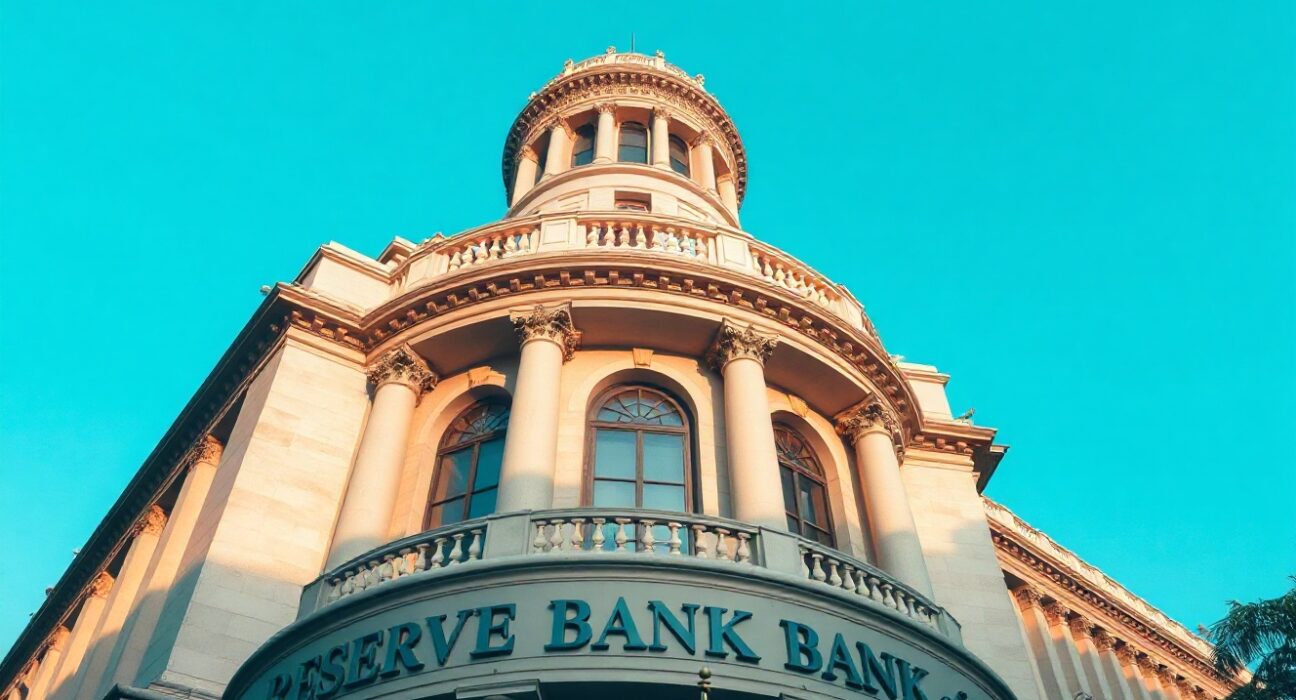
The Reserve Bank of India (RBI) has released comprehensive guidelines governing its forex swap facility, providing banks and financial institutions with a clearer framework for accessing dollar liquidity. The move is part of the central bank’s ongoing efforts to manage currency market volatility and ensure adequate foreign exchange reserves.
Key Provisions of the New Guidelines
The newly detailed framework outlines the operational mechanics, eligibility criteria, and tenor options for banks participating in the swap facility. Under the program, banks can swap rupees for US dollars with the RBI for specified periods, typically ranging from three months to one year. The guidelines specify margin requirements, settlement procedures, and the calculation of swap points, which represent the cost of the transaction.
The RBI has also clarified that the facility is intended to address temporary liquidity mismatches in the forex market, not to provide long-term funding. Banks are required to demonstrate a genuine need for dollar liquidity and must not use the swaps for speculative purposes. The central bank retains the discretion to set a maximum aggregate amount for each auction and to reject bids that do not meet its criteria.
Market Implications and Context
The release of these detailed guidelines comes at a time when the Indian rupee has faced intermittent pressure due to global capital flows and shifts in US monetary policy. By providing a transparent and predictable mechanism for banks to access dollars, the RBI aims to reduce uncertainty in the interbank forex market. Analysts note that the facility acts as a safety valve, allowing the central bank to inject or absorb dollar liquidity without directly intervening in the spot market.
The guidelines also align with international best practices followed by central banks such as the US Federal Reserve and the European Central Bank, which operate similar swap lines with their respective banking systems. The move is expected to enhance the efficiency of the domestic forex market and support the RBI’s broader objective of maintaining orderly market conditions.
Impact on Banks and Corporate Borrowers
For banks, the clearer framework reduces operational risk and allows for better balance sheet planning. The availability of a transparent swap window can help banks manage their foreign currency funding more effectively, especially during periods of tight dollar liquidity. Corporate borrowers with foreign currency liabilities may also benefit indirectly, as smoother interbank operations can lead to more stable hedging costs and narrower bid-ask spreads in the forward market.
Conclusion
The RBI’s detailed guidelines for its forex swap facility represent a significant step toward greater transparency and predictability in India’s foreign exchange market. By codifying the terms of access and usage, the central bank has provided market participants with a clearer tool for liquidity management. The guidelines are expected to reinforce the RBI’s credibility as a proactive and transparent regulator, while supporting the stability of the rupee and the broader financial system.
FAQs
Q1: What is the RBI’s forex swap facility?
A: It is a mechanism through which the Reserve Bank of India provides US dollars to banks in exchange for rupees, with an agreement to reverse the transaction at a future date at a pre-agreed exchange rate. This helps banks manage temporary dollar liquidity shortages.
Q2: Who can participate in the forex swap facility?
A: Scheduled commercial banks and primary dealers that are authorized to deal in foreign exchange can participate. They must meet the RBI’s eligibility criteria and demonstrate a genuine need for dollar liquidity.
Q3: How does the facility affect the rupee exchange rate?
A: By providing a transparent source of dollar liquidity, the facility can reduce panic demand for dollars in the spot market, thereby supporting the rupee. It also helps the RBI manage exchange rate volatility without direct intervention in the currency market.
Disclaimer: The information provided is not trading advice, Bitcoinworld.co.in holds no liability for any investments made based on the information provided on this page. We strongly recommend independent research and/or consultation with a qualified professional before making any investment decisions.
