

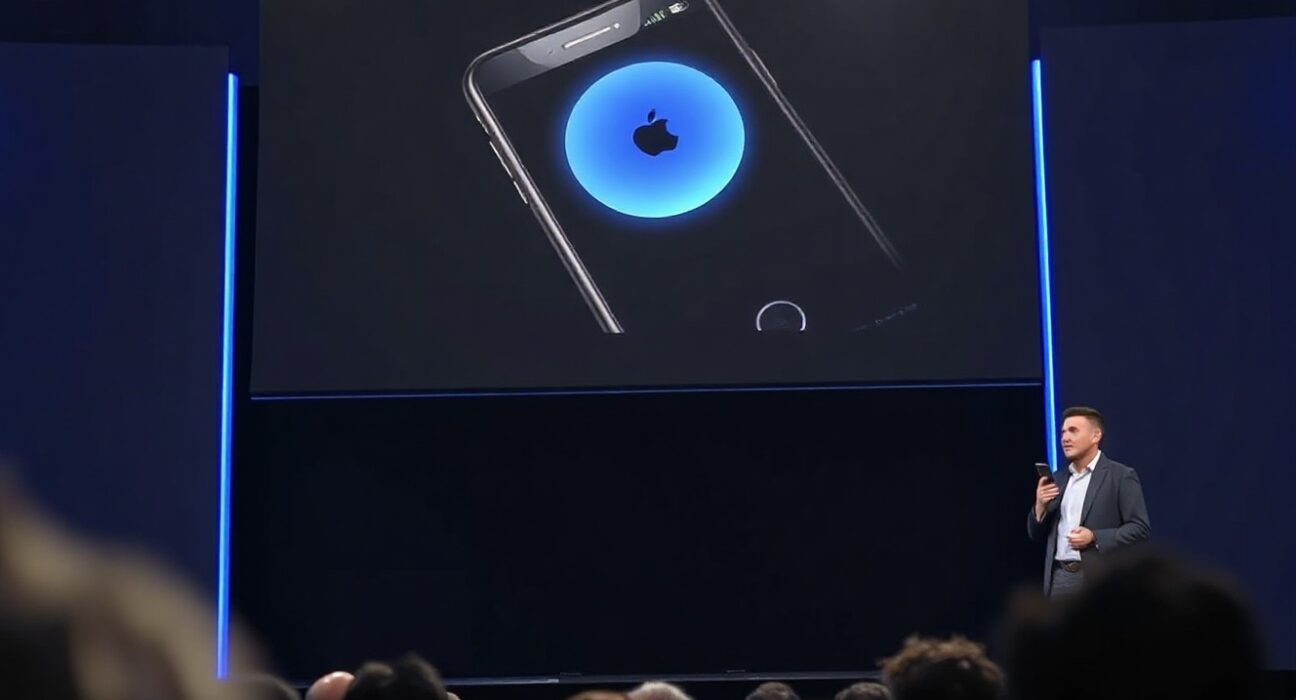
Apple’s 2026 Worldwide Developers Conference keynote carried an unusual undertone: accountability. Two years after promising a smarter Siri that never materialized, and one month after agreeing to a $250 million settlement over false advertising claims, the company took a notably different approach to showing off its artificial intelligence features. Instead of slick, cinematic videos of features that didn’t yet exist, Apple showed pre-taped but device-level demonstrations of Siri and other Apple Intelligence capabilities running on actual hardware.
From vaporware to verifiable demos
At WWDC 2024, Apple unveiled Apple Intelligence with polished production videos that promised a deeply integrated AI assistant capable of understanding personal context, managing on-screen actions, and delivering proactive suggestions. Those features were supposed to arrive soon after launch. By March 2025, however, Apple acknowledged to Daring Fireball that rolling out the features shown in those videos was “going to take us longer than we thought to deliver.” A federal lawsuit followed, accusing the company of false advertising. Last month, Apple settled for $250 million without admitting wrongdoing.
At WWDC 2026, the presentation style changed. Many Apple Intelligence demos showed a person standing, phone in hand, pressing buttons or using voice commands in real time, with a second camera capturing the device’s response. These weren’t live on-stage — they were pre-taped — but they looked like working features, not aspirational concepts. Observers on X noted the shift, comparing the new demos favorably to the 2024 “vaporware” presentations.
What Apple actually showed
The keynote focused heavily on fixes and refinements. Apple addressed the criticized “Liquid Glass” design language, overhauled its search functionality, and improved the Playground feature. The centerpiece was a rebuilt Siri, now available through iOS 27. The company emphasized that the new Siri would run on iPhone 15 Pro and Pro Max, all iPhone 16 models, and later — meaning most users who upgraded in the past two years won’t need to buy a new device to access it. That’s a notable concession, given that Apple originally promised these features would work on iPhone 15 hardware.
The new Siri will also be available across Apple’s broader lineup: iPad mini (A17 Pro), iPads with M1 or later, MacBook Neo (A18 Pro), Macs with M1 or later, Apple Vision Pro, Apple Watch Series 10 or later, Apple Watch Ultra 2 or later, and Apple Watch SE 3 when paired with an Apple Intelligence-enabled iPhone.
Why the shift matters
The change in demonstration style reflects a deeper reputational reckoning. Apple’s brand has long been built on the promise that its products “just work.” The 2024 Siri debacle — and the resulting lawsuit — created real legal and consumer trust risk. By showing features running on actual devices, even in pre-taped form, Apple is signaling that the features are real, functional, and ready for release. The company also avoided locking the new Siri behind the latest iPhone model, a move that could have been seen as exploiting the earlier promise to drive upgrade sales.
For consumers, the practical takeaway is clearer: the Siri improvements shown at WWDC 2026 are more likely to ship as advertised. The legal settlement and the change in presentation style suggest Apple is taking the lessons of the past two years seriously.
Conclusion
Apple’s WWDC 2026 keynote was less about innovation and more about restoration. By showing working features instead of aspirational concepts, and by making those features available on existing hardware, the company is working to rebuild trust after a costly false advertising settlement. The new Siri and Apple Intelligence updates are expected to roll out with iOS 27 later this year.
FAQs
Q1: What was the $250 million settlement about?
A federal class-action lawsuit accused Apple of false advertising over Siri and Apple Intelligence features shown at WWDC 2024 that were delayed or never shipped. Apple settled in May 2026 for $250 million without admitting wrongdoing.
Q2: Will I need to buy a new iPhone to use the new Siri?
No. The new Siri in iOS 27 will run on iPhone 15 Pro and Pro Max, all iPhone 16 models, and later. Most users who upgraded in the past two years won’t need new hardware.
Q3: How are the 2026 demos different from 2024?
In 2024, Apple showed cinematic videos of features that weren’t ready. In 2026, the company used pre-taped but real-time device demos showing the features working on actual phones, signaling greater readiness and accountability.
Disclaimer: The information provided is not trading advice, Bitcoinworld.co.in holds no liability for any investments made based on the information provided on this page. We strongly recommend independent research and/or consultation with a qualified professional before making any investment decisions.
