

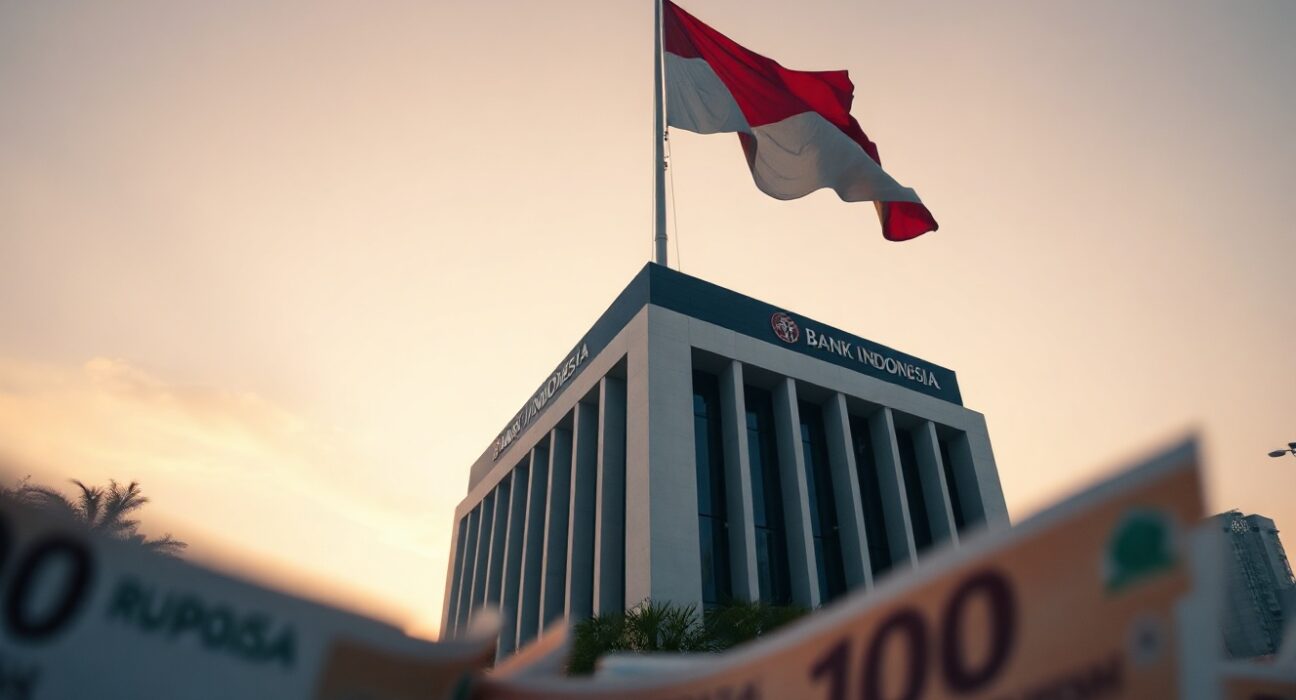
The Indonesian rupiah gained ground against the US dollar on Wednesday following Bank Indonesia’s (BI) unexpected off-cycle decision to raise its benchmark interest rate by 25 basis points. The move, which brought the BI rate to 6.25%, surprised many market participants who had anticipated the central bank would hold rates steady until its scheduled meeting next month.
Context Behind the Off-Cycle Move
Bank Indonesia’s decision to hold an unscheduled policy meeting underscores the urgency it feels in defending the rupiah, which has faced persistent depreciation pressure in recent weeks. The currency has been weighed down by a strengthening US dollar, elevated global interest rates, and rising geopolitical uncertainty. By acting preemptively, BI aims to anchor inflation expectations and reduce imported inflation, particularly from food and energy prices.
Governor Perry Warjiyo stated that the rate hike was a “preemptive and forward-looking” step to ensure the rupiah remains stable and that inflation stays within the 1.5% to 3.5% target range for 2024. The central bank also signaled readiness to continue intervening in the foreign exchange market if necessary.
Market Reaction and Rupiah Performance
Following the announcement, the rupiah strengthened by approximately 0.3% against the dollar, trading near 15,800 per USD. Analysts noted that the move helped narrow the yield differential between Indonesian and US government bonds, making rupiah-denominated assets more attractive to foreign investors. The Jakarta Composite Index (JCI) also saw a modest uptick, reflecting improved investor sentiment.
However, some economists cautioned that the rate hike alone may not be sufficient to reverse the rupiah’s broader weakening trend if global dollar strength persists. The currency remains down roughly 4% year-to-date, mirroring pressures faced by other emerging market currencies.
Implications for Borrowers and the Economy
The rate increase will raise borrowing costs for businesses and consumers, potentially slowing domestic demand. Mortgage rates and corporate loan rates are expected to adjust upward in the coming weeks. BI’s move also signals that it prioritizes currency stability over short-term growth support, a stance that could weigh on economic expansion if rates remain elevated for an extended period.
For importers, a stronger rupiah provides some relief by lowering the cost of imported raw materials and finished goods. This could help moderate domestic inflation over time, which remains a key concern for policymakers.
Conclusion
Bank Indonesia’s off-cycle rate hike reflects a decisive shift toward aggressive currency defense in the face of persistent external headwinds. While the rupiah has responded positively in the near term, the sustainability of this move depends on global monetary conditions and the effectiveness of BI’s broader policy toolkit. Investors and businesses will be watching closely for further signals from the central bank in the weeks ahead.
FAQs
Q1: Why did Bank Indonesia raise rates outside of its regular meeting schedule?
Bank Indonesia called an unscheduled meeting to respond quickly to sharp depreciation in the rupiah and rising inflation risks. The off-cycle move was intended to stabilize the currency and anchor inflation expectations without waiting for the next scheduled policy meeting.
Q2: How does a rate hike help strengthen the rupiah?
A higher interest rate makes Indonesian assets more attractive to foreign investors, increasing demand for the rupiah. It also signals the central bank’s commitment to controlling inflation, which supports currency confidence.
Q3: What are the risks of this rate hike for the Indonesian economy?
The main risk is that higher borrowing costs could slow economic growth by reducing consumer spending and business investment. If rates stay high for too long, it could dampen domestic demand and hurt sectors reliant on credit.
Disclaimer: The information provided is not trading advice, Bitcoinworld.co.in holds no liability for any investments made based on the information provided on this page. We strongly recommend independent research and/or consultation with a qualified professional before making any investment decisions.
