

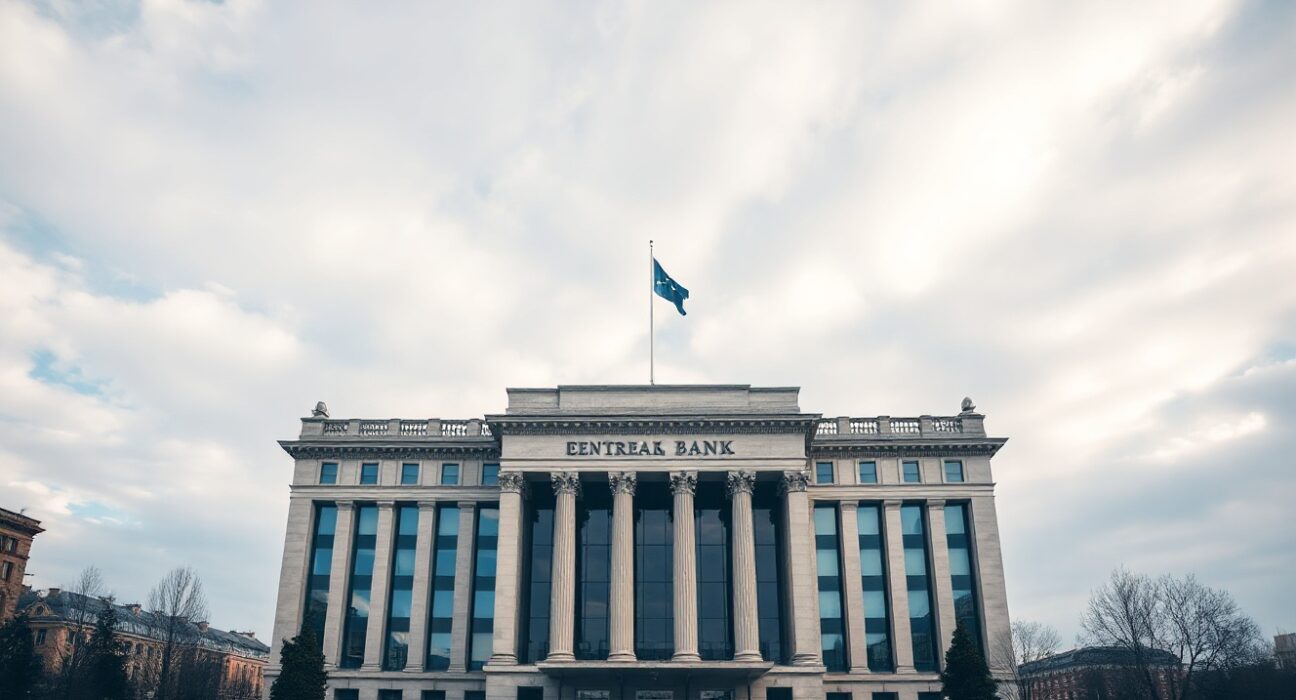
The euro traded in a narrow range on Wednesday, holding its ground against the US dollar as currency markets processed the latest US inflation figures and shifted focus to the European Central Bank’s upcoming policy meeting. The single currency remained near the $1.09 level, reflecting a cautious mood among traders.
US Inflation Data Offers Little Surprise
Data released on Tuesday showed US consumer price inflation rising at an annual rate of 3.1% in January, slightly above expectations but within the range of recent readings. Core inflation, which excludes volatile food and energy prices, came in at 3.9%, matching forecasts. The figures did not significantly alter market expectations for the Federal Reserve’s next moves, with most traders still pricing in a first rate cut around mid-2024.
The dollar initially edged higher on the data but later gave back gains, allowing the euro to recover. Analysts noted that the inflation report was broadly in line with consensus, reducing the likelihood of a sharp market reaction.
ECB Decision in Focus
Attention now turns to the European Central Bank, which is widely expected to keep interest rates unchanged at its meeting on Thursday. The ECB’s main refinancing rate stands at 4.5%, and policymakers have signalled a patient approach, wary of premature easing.
Markets will closely watch ECB President Christine Lagarde’s press conference for any hints about the timing of future rate cuts. Recent comments from ECB officials have leaned hawkish, with several members emphasising the need to see more evidence that inflation is sustainably returning to the 2% target.
What This Means for Traders
For forex traders, the combination of steady US inflation and a cautious ECB creates a scenario where the euro-dollar exchange rate may remain range-bound in the near term. A hawkish ECB tone could support the euro, while any dovish signals might weaken it. Meanwhile, the dollar’s direction will depend on upcoming US economic data, particularly retail sales and producer prices due later this week.
The broader context includes ongoing geopolitical risks and uncertainty about global growth, which continue to influence safe-haven flows. The euro’s resilience suggests that markets are pricing in a relatively stable outlook for the eurozone economy, despite persistent inflation and subdued manufacturing activity.
Conclusion
The euro’s steady performance reflects a market in wait-and-see mode, digesting US inflation data without strong directional conviction. The ECB’s decision and Lagarde’s commentary will likely set the tone for the euro in the coming days, with traders looking for clarity on the central bank’s rate path. Until then, range trading may persist.
FAQs
Q1: Why did the euro remain steady after the US inflation data?
The inflation figures were broadly in line with expectations, so they did not trigger a major shift in dollar sentiment. Markets are now focused on the ECB meeting for the next catalyst.
Q2: What is the ECB expected to do at its next meeting?
The ECB is widely expected to keep interest rates unchanged at 4.5%. The key focus will be on President Lagarde’s comments about the future path of rates.
Q3: How could the ECB decision affect the euro?
A hawkish stance, emphasising caution on rate cuts, could support the euro. A more dovish tone, hinting at easing, could weaken it. The outcome will depend on the precise language used.
Disclaimer: The information provided is not trading advice, Bitcoinworld.co.in holds no liability for any investments made based on the information provided on this page. We strongly recommend independent research and/or consultation with a qualified professional before making any investment decisions.
