

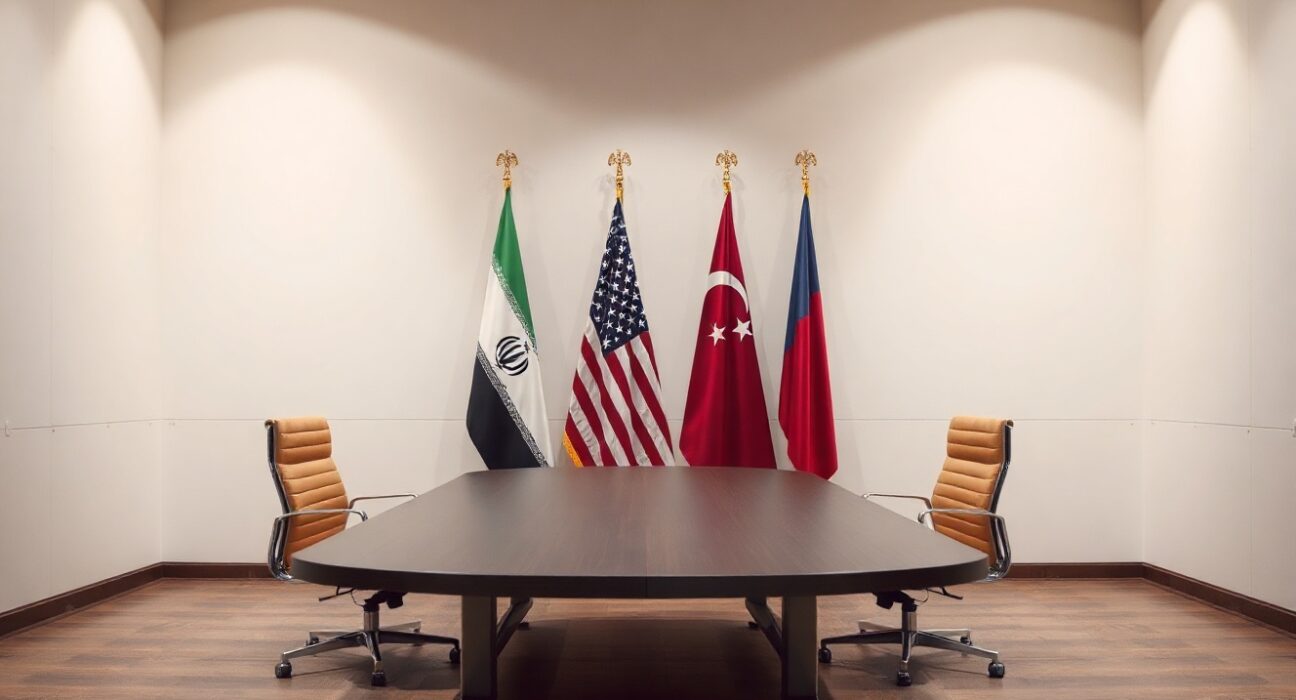
Iranian and U.S. officials have held separate, parallel talks with Qatari mediators in Doha over the past two days, according to local sources cited by Axios. The Qatari side reportedly attempted to arrange a three-way meeting to directly address remaining differences, but the Iranian delegation refused.
Diplomatic Standoff in Doha
The talks, which took place in the Qatari capital, mark the latest attempt to bridge gaps between Tehran and Washington on issues ranging from Iran’s nuclear program to regional security. The parallel format—where each side meets separately with Qatari mediators rather than face-to-face—reflects the deep mistrust that continues to hinder direct engagement.
Qatar, which has positioned itself as a key intermediary between Iran and the West, proposed a trilateral meeting to accelerate progress. However, Iran’s rejection underscores its insistence on indirect channels and its reluctance to commit to direct talks without preconditions.
Context and Implications
The discussions come amid heightened tensions over Iran’s advancing nuclear capabilities and stalled negotiations on reviving the 2015 Joint Comprehensive Plan of Action (JCPOA). The U.S. has maintained maximum pressure sanctions, while Iran has expanded uranium enrichment beyond JCPOA limits.
Analysts view the parallel talks as a sign that both sides remain open to de-escalation, but the refusal to meet directly suggests that substantive breakthroughs are unlikely in the near term. The Qatari mediation, while facilitating communication, has so far failed to produce a public framework for compromise.
Why This Matters
For readers, this story is significant because it signals the current state of U.S.-Iran diplomacy—a key factor in global oil markets, regional stability in the Middle East, and non-proliferation efforts. Any shift in diplomatic posture could affect energy prices, security dynamics in the Persian Gulf, and the broader geopolitical landscape.
Conclusion
The parallel talks in Doha represent a cautious but limited diplomatic engagement between Iran and the U.S. While the Qatari mediation has kept channels open, Iran’s rejection of a direct three-way meeting highlights the persistent barriers to resolving core disputes. The coming weeks will reveal whether this indirect approach can yield any tangible progress or if the stalemate will deepen.
FAQs
Q1: Why did Iran refuse a three-way meeting with the U.S. and Qatar?
Iran has consistently preferred indirect negotiations, citing distrust of U.S. intentions and a desire to avoid being pressured in a multilateral setting. Tehran insists on maintaining its negotiating position without direct American involvement at this stage.
Q2: What is the role of Qatar in these talks?
Qatar has served as a mediator, hosting separate meetings with Iranian and U.S. officials. Its goal is to facilitate communication and potentially bridge differences, leveraging its diplomatic ties with both sides.
Q3: How do these talks affect the nuclear deal?
The talks are part of broader efforts to revive the JCPOA, but the lack of direct engagement and Iran’s refusal to meet three-way suggest that a comprehensive agreement remains distant. The discussions focus on smaller confidence-building measures rather than a full nuclear deal.
Disclaimer: The information provided is not trading advice, Bitcoinworld.co.in holds no liability for any investments made based on the information provided on this page. We strongly recommend independent research and/or consultation with a qualified professional before making any investment decisions.
