

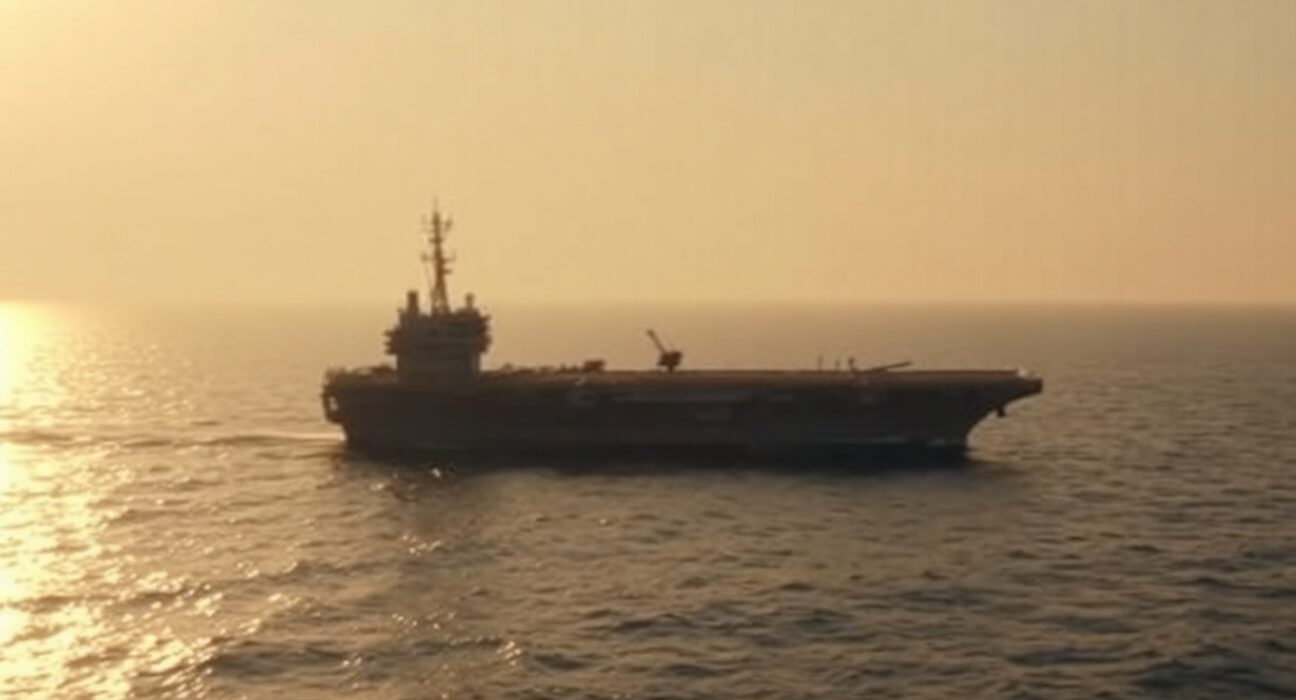
U.S. President Donald Trump has warned that he will order a military strike on Iran tomorrow night if the country refuses to sign a nuclear agreement, according to a report from Fox News. The statement, made during a press briefing, escalates a months-long standoff between Washington and Tehran over the latter’s advancing uranium enrichment program.
Context of the Threat
The ultimatum follows a series of failed diplomatic efforts to revive the 2015 Joint Comprehensive Plan of Action (JCPOA), from which the Trump administration withdrew in 2018. Since then, Iran has accelerated its nuclear activities, enriching uranium to levels approaching weapons-grade purity. International inspectors from the IAEA have confirmed that Iran now possesses enough enriched material to produce multiple nuclear warheads within weeks.
Trump’s threat, if carried out, would represent a significant military escalation in the Middle East. The U.S. maintains a substantial naval and air presence in the region, including carrier strike groups in the Persian Gulf and strategic bombers stationed at regional bases. Iran, in turn, has invested heavily in air defense systems, ballistic missiles, and proxy forces across Iraq, Syria, Lebanon, and Yemen.
Implications for Global Markets and Security
The announcement has already rattled global oil markets. Brent crude futures rose sharply in after-hours trading, reflecting fears of a supply disruption through the Strait of Hormuz, a critical chokepoint for approximately 20% of the world’s petroleum. Analysts warn that a U.S.-Iran conflict could push oil prices above $100 per barrel, triggering broader economic consequences.
European allies, including France, Germany, and the United Kingdom, have urged restraint. Diplomatic channels remain open, but the 48-hour deadline leaves little room for negotiation. China and Russia, both signatories to the original JCPOA, have called for de-escalation but have not publicly offered a new framework.
What This Means for Investors and Citizens
For readers, this story matters on multiple levels. First, the direct human cost of a military strike would be severe, with potential casualties and regional instability. Second, energy prices could spike, affecting household costs and business operations worldwide. Third, the U.S. dollar and safe-haven assets like gold may see increased demand as uncertainty rises.
It is important to note that the situation remains fluid. The president’s statement has not been confirmed by the Pentagon or the State Department, and no formal deadline has been issued through official diplomatic channels. The threat may be part of a coercive bargaining strategy rather than a finalized military order.
Conclusion
President Trump’s threat to bomb Iran tomorrow night if it rejects a nuclear deal marks a dangerous turning point in U.S.-Iran relations. While the deadline appears immediate, the actual timeline for any military action remains uncertain. The coming hours will determine whether diplomacy can avert a conflict that would have profound consequences for global security, energy markets, and international law. Readers should monitor official statements from the White House and Iran’s Foreign Ministry for verified updates.
FAQs
Q1: Is the threat of bombing Iran confirmed by official U.S. sources?
As of now, the threat has been reported by Fox News and attributed to President Trump’s public remarks. The Pentagon and State Department have not issued formal statements confirming or denying the plan. This is a developing story.
Q2: What is the status of the Iran nuclear deal?
The original 2015 JCPOA is effectively defunct after the U.S. withdrawal in 2018 and Iran’s subsequent violations. Current negotiations have stalled. Iran’s uranium enrichment now exceeds JCPOA limits, and IAEA inspectors have reported a lack of full cooperation from Tehran.
Q3: How would a U.S. strike on Iran affect oil prices?
Historically, any military confrontation involving Iran leads to immediate spikes in crude oil prices due to fears of supply disruptions through the Strait of Hormuz. Analysts predict a potential rise to $100 per barrel or higher if conflict erupts.
Disclaimer: The information provided is not trading advice, Bitcoinworld.co.in holds no liability for any investments made based on the information provided on this page. We strongly recommend independent research and/or consultation with a qualified professional before making any investment decisions.
