

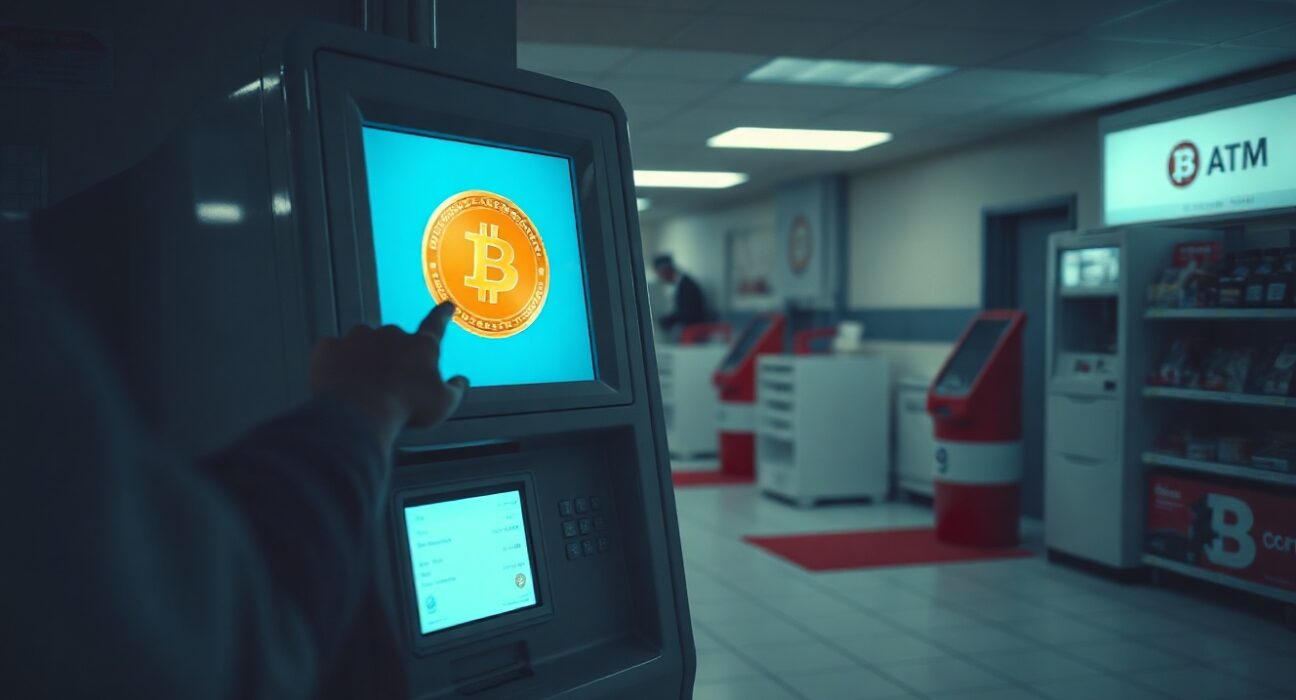
The New Jersey Senate Commerce Committee has unanimously approved a bill that would effectively ban cryptocurrency ATMs across the state, sending the measure to the full Senate for consideration. If enacted, the legislation would prohibit the ownership, installation, operation, and sale of crypto ATMs, with violators facing fines of up to $10,000 per infraction.
Why Lawmakers Are Targeting Crypto ATMs
State legislators cited a sharp increase in fraudulent activity involving cryptocurrency ATMs as the primary driver behind the bill. According to federal law enforcement data, these machines have become a favored tool for scammers, who often pressure victims into depositing cash into crypto ATMs under false pretenses. Unlike traditional bank ATMs, crypto ATMs allow users to convert cash into digital assets with minimal oversight, making them difficult to trace once a transaction is complete.
The New Jersey bill is part of a broader regulatory trend. Delaware’s House of Representatives recently passed a similar measure, and Indiana, Tennessee, and Minnesota have already enacted bans on crypto ATMs. Lawmakers in those states reported that consumer complaints linked to crypto ATM scams had risen sharply, with some victims losing tens of thousands of dollars.
What the Bill Would Do
The proposed legislation, which now moves to the full Senate for debate, would:
- Prohibit the installation and operation of any cryptocurrency ATM in New Jersey
- Ban the sale or transfer of such machines within the state
- Impose civil penalties of up to $10,000 per violation
- Grant enforcement authority to the state’s Division of Consumer Affairs
The bill does not target other forms of cryptocurrency trading or ownership, focusing specifically on the physical ATM infrastructure that regulators say enables anonymous cash-to-crypto conversions.
Consumer Protection or Overreach?
Supporters argue the ban is a necessary consumer protection measure, particularly for elderly and less tech-savvy residents who are disproportionately targeted by crypto ATM scams. The Federal Trade Commission reported that losses from crypto ATM scams exceeded $110 million in 2023, with many victims contacted by fraudsters impersonating government agencies or utility companies.
Critics, however, contend that a blanket ban could stifle legitimate use cases, such as remittances or unbanked individuals seeking access to digital currencies. Industry groups have called for more targeted regulation, such as transaction limits or mandatory fraud warnings, rather than an outright prohibition.
National Landscape of Crypto ATM Regulation
The New Jersey bill mirrors a growing national movement to rein in crypto ATMs. In addition to the states that have already passed bans, several others, including California and New York, are considering similar legislation. The federal government has also increased scrutiny: the Financial Crimes Enforcement Network (FinCEN) proposed new rules in 2024 requiring crypto ATM operators to verify user identities for all transactions.
The bipartisan nature of these efforts suggests that crypto ATM regulation is unlikely to fade from the legislative agenda, regardless of the political climate.
Conclusion
The New Jersey Senate Commerce Committee’s unanimous vote signals strong legislative intent to curb crypto ATM-related fraud. As the bill heads to the full Senate, stakeholders on both sides of the issue are preparing for a contentious debate. For consumers, the message is clear: regulators are increasingly viewing crypto ATMs as a liability rather than an innovation, and more restrictions are likely on the horizon.
FAQs
Q1: What exactly does the New Jersey bill ban?
The bill prohibits the ownership, installation, operation, and sale of cryptocurrency ATMs in New Jersey. Violations could result in fines of up to $10,000.
Q2: Why are crypto ATMs being targeted by lawmakers?
Law enforcement and consumer protection agencies have documented a significant rise in scams involving crypto ATMs, where fraudsters trick victims into depositing cash that is then converted to cryptocurrency and sent to untraceable wallets.
Q3: Are other states taking similar action?
Yes. Indiana, Tennessee, and Minnesota have already banned crypto ATMs. Delaware’s House passed a similar bill, and several other states are considering legislation. Federal regulators are also proposing stricter identity verification rules.
Disclaimer: The information provided is not trading advice, Bitcoinworld.co.in holds no liability for any investments made based on the information provided on this page. We strongly recommend independent research and/or consultation with a qualified professional before making any investment decisions.
