

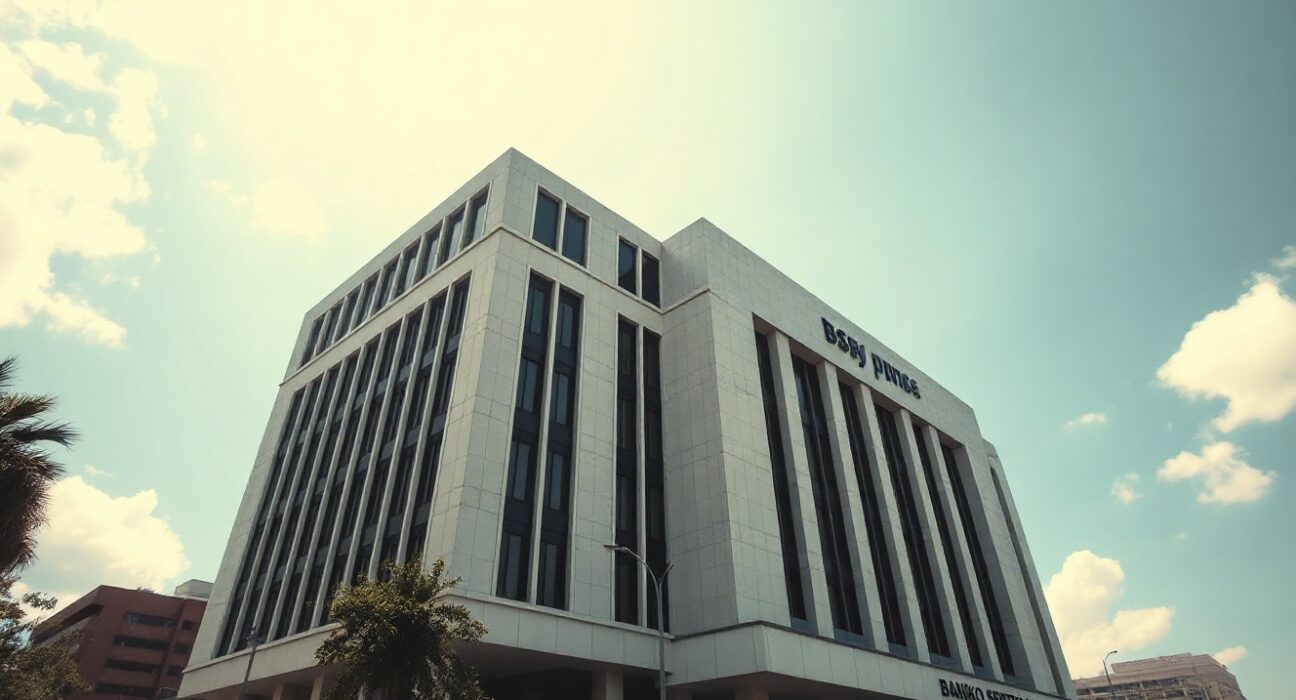
The Bangko Sentral ng Pilipinas (BSP) has clarified that neither Binance nor its local partner, BlockShoals Technologies, holds a Virtual Asset Service Provider (VASP) license, according to a report from local media outlet BitPinas. The announcement comes amid ongoing regulatory adjustments by the Philippine Securities and Exchange Commission (SEC) regarding the classification of Binance’s operations in the country.
Regulatory Distinctions and Sandbox Participation
The BSP’s statement underscores a critical regulatory distinction: participation in the SEC’s regulatory sandbox does not exempt a company from obtaining a separate BSP license to operate trading infrastructure. The SEC recently re-designated Binance as a global Crypto Asset Service Provider (CASP) partner, moving away from its previous classification as a global VASP. Simultaneously, the terms of BlockShoals’ sandbox trial have been modified. The BSP confirmed it is currently in discussions with the SEC regarding the partnership and its implications for the broader regulatory framework.
What This Means for Crypto Firms and Users
This development highlights the fragmented regulatory landscape for cryptocurrency services in the Philippines. While the SEC oversees securities-related aspects, the BSP regulates virtual asset exchanges and service providers. Without a VASP license, Binance and BlockShoals cannot legally operate trading platforms for Philippine users. The central bank’s stance reinforces that sandbox approvals are experimental and do not substitute for full licensure. For users, this means continued uncertainty about the legality of using Binance services in the country and potential risks of service disruptions.
Industry Implications and Next Steps
The ongoing inter-agency discussions between the BSP and SEC could lead to clearer guidelines for crypto firms operating in the Philippines. The situation also underscores the importance for global exchanges like Binance to secure all necessary local licenses before offering services. The BSP’s proactive clarification aims to protect consumers and maintain financial stability, signaling a cautious but evolving approach to digital asset regulation.
Conclusion
The BSP’s confirmation that Binance and BlockShoals lack VASP licenses is a significant regulatory reminder. It emphasizes that sandbox participation does not bypass full licensing requirements and highlights the need for crypto firms to navigate multiple regulatory bodies. The outcome of BSP-SEC discussions will be closely watched by the industry and could shape the future of crypto regulation in the Philippines.
FAQs
Q1: What is a VASP license in the Philippines?
A VASP (Virtual Asset Service Provider) license is issued by the Bangko Sentral ng Pilipinas (BSP) to companies that provide services involving virtual assets, such as cryptocurrency exchanges. It is required to legally operate trading platforms in the country.
Q2: Does the SEC sandbox approval replace a BSP license?
No. The BSP has clearly stated that participating in the SEC’s regulatory sandbox does not exempt a company from needing a separate BSP license to operate trading infrastructure.
Q3: What happens if Binance continues operations without a VASP license?
Operating without a VASP license could lead to regulatory actions by the BSP, including fines, suspension of operations, or legal proceedings. Users may also face risks such as service disruptions or lack of consumer protection.
Disclaimer: The information provided is not trading advice, Bitcoinworld.co.in holds no liability for any investments made based on the information provided on this page. We strongly recommend independent research and/or consultation with a qualified professional before making any investment decisions.
