

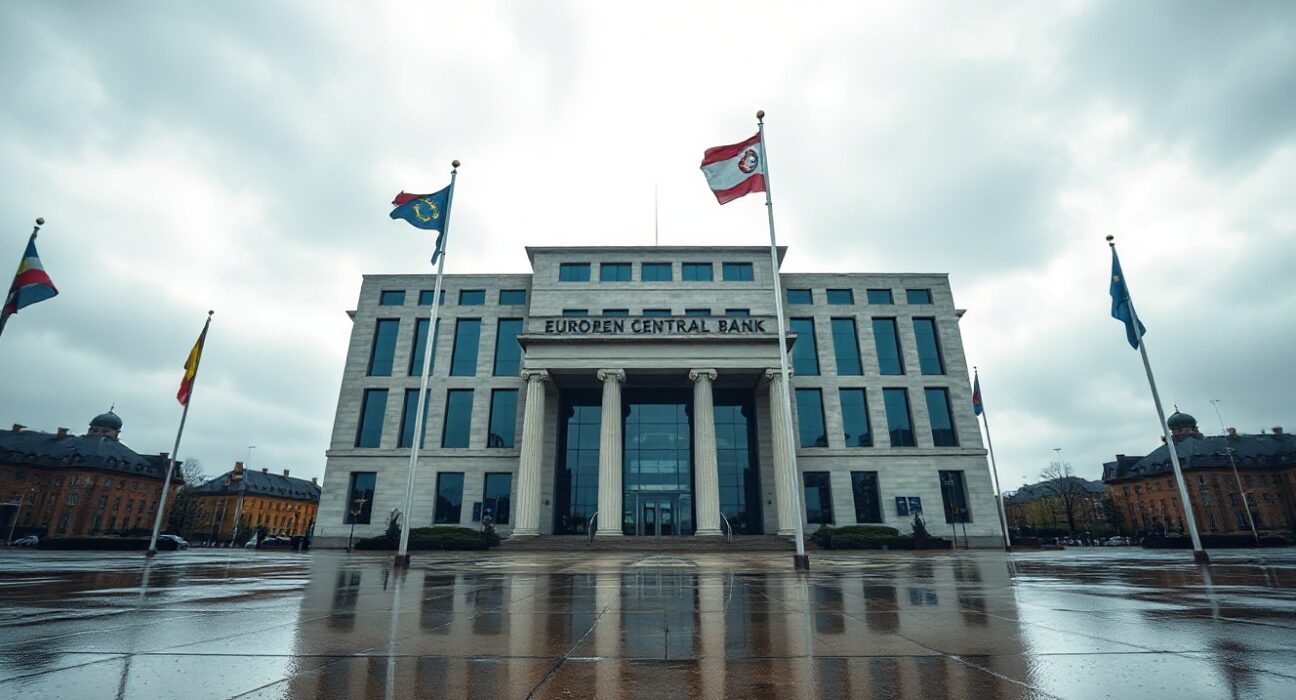
The European Central Bank (ECB) is widely expected to announce an interest rate increase at its upcoming meeting, as inflation across the eurozone continues to drift away from the bank’s 2% target. Recent data shows consumer prices rising at a pace that exceeds earlier projections, putting pressure on policymakers to act decisively.
Inflation Trends and Policy Response
Eurostat figures released earlier this month indicate that headline inflation in the euro area reached 3.1% in January, up from 2.9% in December. Core inflation, which excludes volatile energy and food prices, also edged higher, settling at 2.8%. These readings mark a persistent deviation from the ECB’s medium-term target, which has remained unchanged since the bank’s strategic review in 2021.
ECB President Christine Lagarde has signaled in recent public appearances that the governing council is prepared to adjust rates if the inflation outlook does not improve. Speaking at the World Economic Forum in Davos, she noted that the bank’s commitment to price stability remains paramount and that incoming data will guide decisions.
Market pricing now reflects a near-certain probability of a 25-basis-point hike at the next meeting, which would bring the deposit facility rate to 4.25%. Some analysts have not ruled out a larger move if inflation proves stickier than expected.
Economic Implications for the Eurozone
Higher borrowing costs are likely to dampen economic activity across the region, particularly in sectors sensitive to credit conditions such as housing, construction, and small business investment. The ECB’s own staff projections, published in December, forecast GDP growth of just 0.8% for 2025, a figure that may be revised downward if rates rise further.
Germany, the eurozone’s largest economy, has already experienced two consecutive quarters of contraction, raising concerns about a broader slowdown. France and Italy are also facing fiscal pressures as higher interest payments on sovereign debt eat into government budgets.
On the positive side, a rate hike could help anchor inflation expectations and prevent a wage-price spiral from taking hold. Labor markets remain tight across much of the eurozone, with unemployment at a record low of 6.4%. Workers have been demanding higher wages to compensate for lost purchasing power, a trend that could fuel sustained price pressures if left unchecked.
Market and Consumer Impact
Financial markets have already priced in the expected move, with bond yields rising and the euro strengthening against the dollar in recent weeks. Mortgage rates in countries like Spain, the Netherlands, and Portugal have climbed, making homeownership less affordable for many households.
Consumers are feeling the pinch as well. The ECB’s consumer expectations survey shows that households anticipate inflation of 3.2% over the next 12 months, well above the target. This has weighed on consumer confidence, which remains below its long-term average despite a modest recovery in recent months.
Savings account rates have also increased, offering some relief to depositors who have endured years of near-zero returns. However, the pass-through from policy rates to deposit rates has been uneven across the banking sector, with smaller banks offering more competitive terms to attract funding.
Conclusion
The ECB’s expected rate hike underscores the ongoing challenge of bringing inflation back to target in a post-pandemic economy marked by supply chain disruptions, energy price volatility, and persistent labor shortages. While the move is aimed at restoring price stability, it also carries risks for growth and financial stability. The governing council will need to carefully calibrate its next steps, balancing the need to curb inflation against the risk of tipping the eurozone into recession. For now, all eyes are on Frankfurt as the central bank prepares to deliver its decision.
FAQs
Q1: Why is the ECB raising interest rates if inflation is already falling?
Inflation is falling from its peak but remains above the ECB’s 2% target. Core inflation, which excludes volatile items, has proven stickier than expected. The ECB wants to prevent inflation from becoming entrenched by acting preemptively.
Q2: How will higher ECB rates affect my mortgage or loan payments?
If you have a variable-rate mortgage or loan, your monthly payments are likely to increase as banks pass on higher policy rates. Fixed-rate borrowers are not immediately affected but may face higher rates when refinancing.
Q3: Could the ECB pause rate hikes later this year?
Yes, if inflation shows clear signs of returning to target and economic growth weakens significantly, the ECB could pause or even reverse its tightening cycle. The governing council remains data-dependent and has not pre-committed to a specific path.
Disclaimer: The information provided is not trading advice, Bitcoinworld.co.in holds no liability for any investments made based on the information provided on this page. We strongly recommend independent research and/or consultation with a qualified professional before making any investment decisions.
