

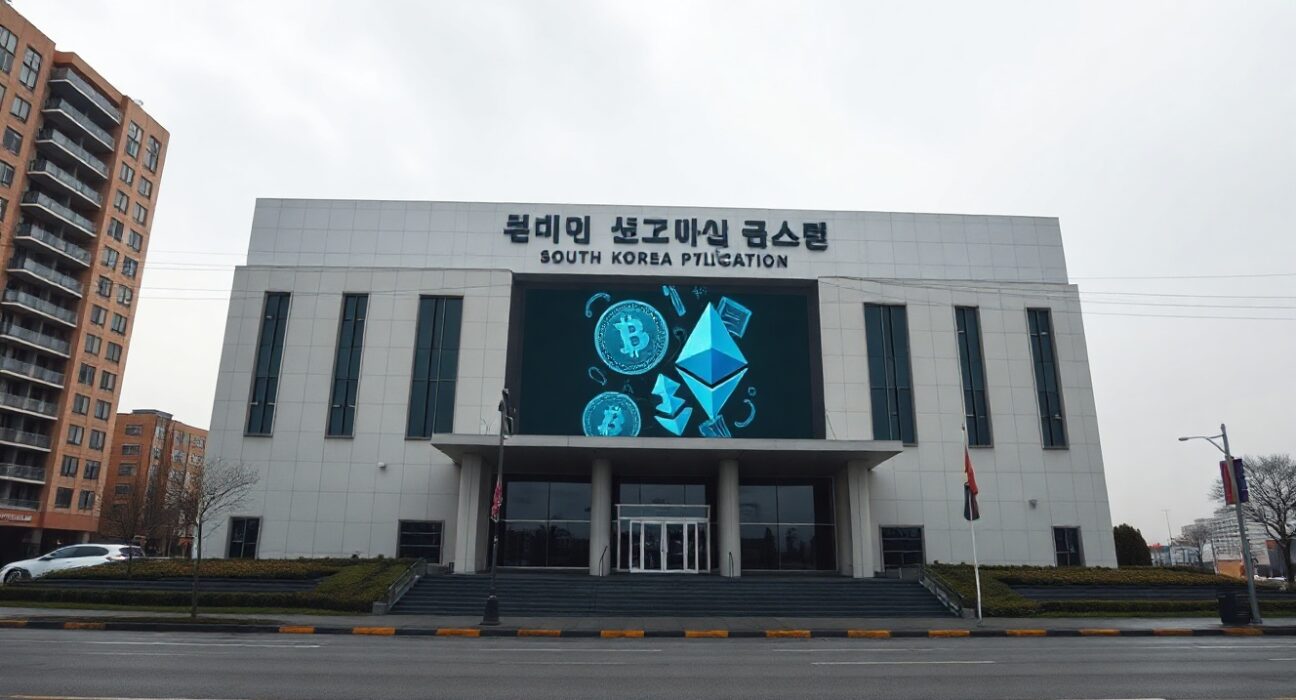
The National Police Agency of South Korea has launched its fourth attempt to secure a custodian for managing seized virtual assets, but the bidding process is drawing sharp criticism for allegedly favoring large, won-denominated cryptocurrency exchanges at the expense of smaller firms. According to a notice posted on the country’s Public Procurement Service KONEPS system, the agency opened bidding for its “Seized Virtual Asset Storage and Management Project” with a deadline of June 24. The project’s budget has been increased more than threefold, from 83 million won to 267 million won, reflecting the growing volume of digital assets confiscated in criminal investigations.
Bidding Requirements Spark Controversy
Critics argue that the terms of the bid are structured in a way that makes participation nearly impossible for smaller custody providers. Key requirements include 100% full compensation for any lost or stolen assets and 24-hour real-time support, both of which demand significant financial reserves and operational capacity. Smaller firms, many of which specialize in digital asset custody, say these conditions effectively lock them out of the process. The absence of bidding restrictions based on company size has further fueled claims that the system is tilted in favor of established, deep-pocketed exchanges.
The controversy highlights a broader tension in South Korea’s rapidly evolving cryptocurrency regulatory landscape. The government has been working to tighten oversight of virtual assets, including through the Virtual Asset User Protection Act, which took effect in July 2024. However, the police custody bid suggests that smaller players may be squeezed out of government contracts, potentially concentrating control over seized assets in the hands of a few large platforms.
Implications for the Crypto Ecosystem
This development matters because it signals how South Korea, a major global hub for cryptocurrency trading, is shaping its approach to managing digital assets seized in criminal cases. The exclusion of smaller custody firms could reduce competition, potentially leading to higher costs and less innovation in the sector. It also raises questions about fairness and transparency in government procurement processes, especially as the volume of seized crypto assets continues to grow. According to local reports, the police agency has been managing an increasing number of virtual assets tied to crimes such as fraud, drug trafficking, and illegal gambling.
What This Means for Smaller Exchanges
For small and medium-sized cryptocurrency exchanges and custody providers in South Korea, the police bid represents a missed opportunity to build credibility and revenue through government contracts. Many of these firms have invested in security and compliance infrastructure but lack the scale to meet the stringent requirements. The situation could prompt calls for regulatory adjustments, such as tiered requirements based on company size or shared custody models, to ensure broader participation.
Conclusion
The National Police Agency’s fourth bid for a crypto custodian has amplified concerns about fairness in South Korea’s approach to managing seized digital assets. While the increased budget reflects the growing importance of this function, the exclusion of smaller firms undermines the goal of a competitive and inclusive market. As the June 24 deadline approaches, the outcome of the bid will be closely watched by industry stakeholders and regulators alike, as it may set a precedent for future government contracts in the crypto space.
FAQs
Q1: Why is the South Korean police custody bid controversial?
The bid is criticized for requiring 100% full compensation and 24/7 support, which smaller custody providers struggle to meet, effectively favoring large exchanges.
Q2: How much has the budget for this project increased?
The budget was raised from 83 million won to 267 million won, a 3.2-fold increase, reflecting the growing volume of seized virtual assets.
Q3: What types of assets are involved in these seizures?
Seized virtual assets include cryptocurrencies like Bitcoin and Ethereum, often tied to criminal activities such as fraud, drug trafficking, and illegal gambling.
Disclaimer: The information provided is not trading advice, Bitcoinworld.co.in holds no liability for any investments made based on the information provided on this page. We strongly recommend independent research and/or consultation with a qualified professional before making any investment decisions.
