

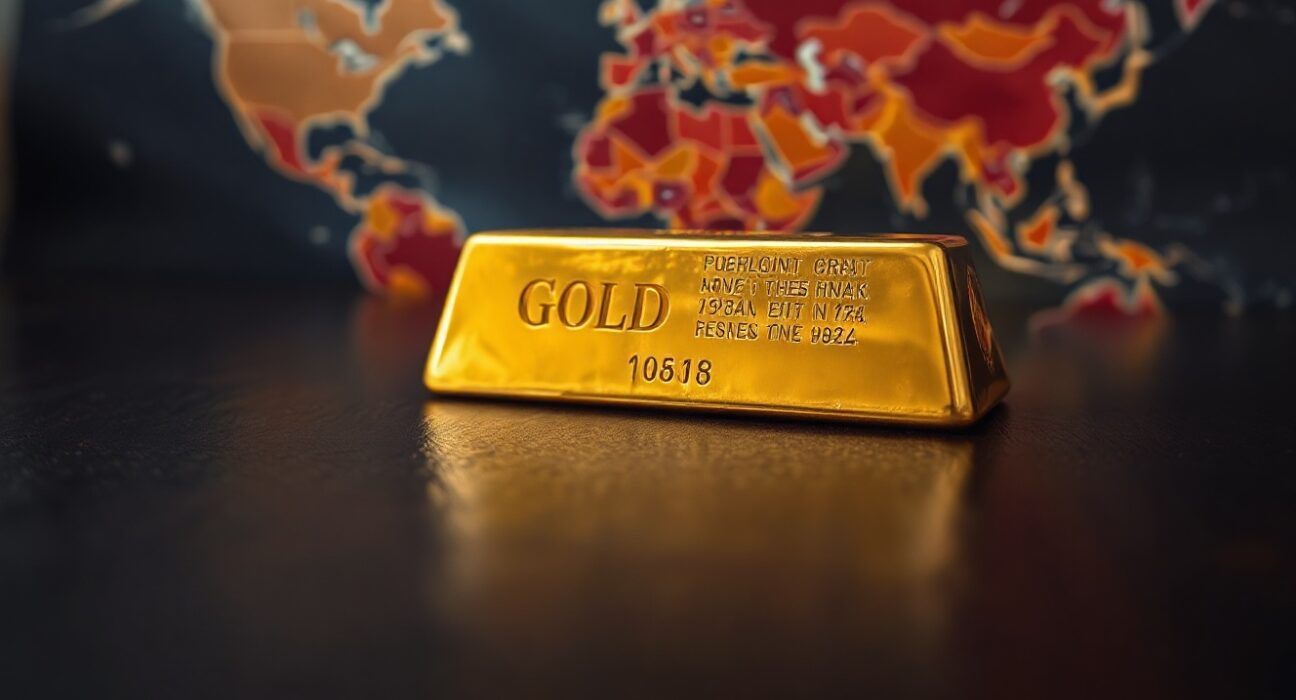
Gold prices have staged a notable rebound this week, even as geopolitical tensions between the United States and Iran show signs of easing. The precious metal, often seen as a safe-haven asset during periods of uncertainty, is finding support from a combination of factors that go beyond the immediate headlines of Middle East diplomacy.
What Is Driving the Gold Rally?
While the de-escalation of US-Iran tensions might typically reduce demand for safe-haven assets, the gold market is currently being influenced by a broader set of macroeconomic forces. The primary driver appears to be growing expectations that the Federal Reserve may begin cutting interest rates as early as the second half of the year. Lower interest rates reduce the opportunity cost of holding non-yielding assets like gold, making it more attractive to investors.
Additionally, persistent inflation concerns, a weakening US dollar, and ongoing uncertainty surrounding global trade policies are all contributing to sustained interest in gold as a store of value. Market participants are also closely watching central bank buying patterns, with several major central banks continuing to add gold to their reserves, further supporting prices.
US-Iran Developments: A Mixed Signal for Markets
Reports of indirect talks between Washington and Tehran, mediated by regional partners, have raised hopes of a diplomatic resolution to long-standing disputes over Iran’s nuclear program and regional influence. However, analysts caution that the situation remains fragile. Any breakdown in talks or renewed hostilities could quickly reverse the current trend, reigniting safe-haven demand.
The market is also pricing in the possibility that even if US-Iran tensions ease, other geopolitical flashpoints—such as the ongoing conflict in Ukraine or tensions in the South China Sea—could sustain demand for gold as a hedge against broader instability.
Implications for Investors
For investors, the current gold rebound presents both opportunities and risks. Those holding gold as a long-term portfolio diversifier may find reassurance in the metal’s resilience. Short-term traders, however, should be prepared for volatility as markets digest conflicting signals from geopolitics, monetary policy, and economic data.
Key levels to watch include the $2,050–$2,070 per ounce resistance zone. A sustained break above this range could open the door to further gains, while a failure to hold recent support around $2,000 may signal a temporary pullback.
Conclusion
The gold price rebound amid easing US-Iran tensions underscores the complexity of today’s market environment. While geopolitics remain a factor, the metal’s trajectory is increasingly shaped by monetary policy expectations, currency movements, and broader economic uncertainty. Investors should remain focused on the bigger picture rather than reacting to individual headlines.
FAQs
Q1: Why is gold rising if US-Iran tensions are easing?
Gold is also being supported by expectations of Fed rate cuts, a weaker US dollar, and persistent inflation, which are outweighing the reduced geopolitical risk premium.
Q2: Could gold prices fall if tensions continue to ease?
Yes, a sustained diplomatic breakthrough could reduce safe-haven demand, but other supportive factors like monetary policy and central bank buying may limit downside.
Q3: What is the key level to watch in gold prices?
The $2,050–$2,070 per ounce resistance zone is critical. A breakout above this range could signal further upside, while a drop below $2,000 may indicate a correction.
Disclaimer: The information provided is not trading advice, Bitcoinworld.co.in holds no liability for any investments made based on the information provided on this page. We strongly recommend independent research and/or consultation with a qualified professional before making any investment decisions.
