

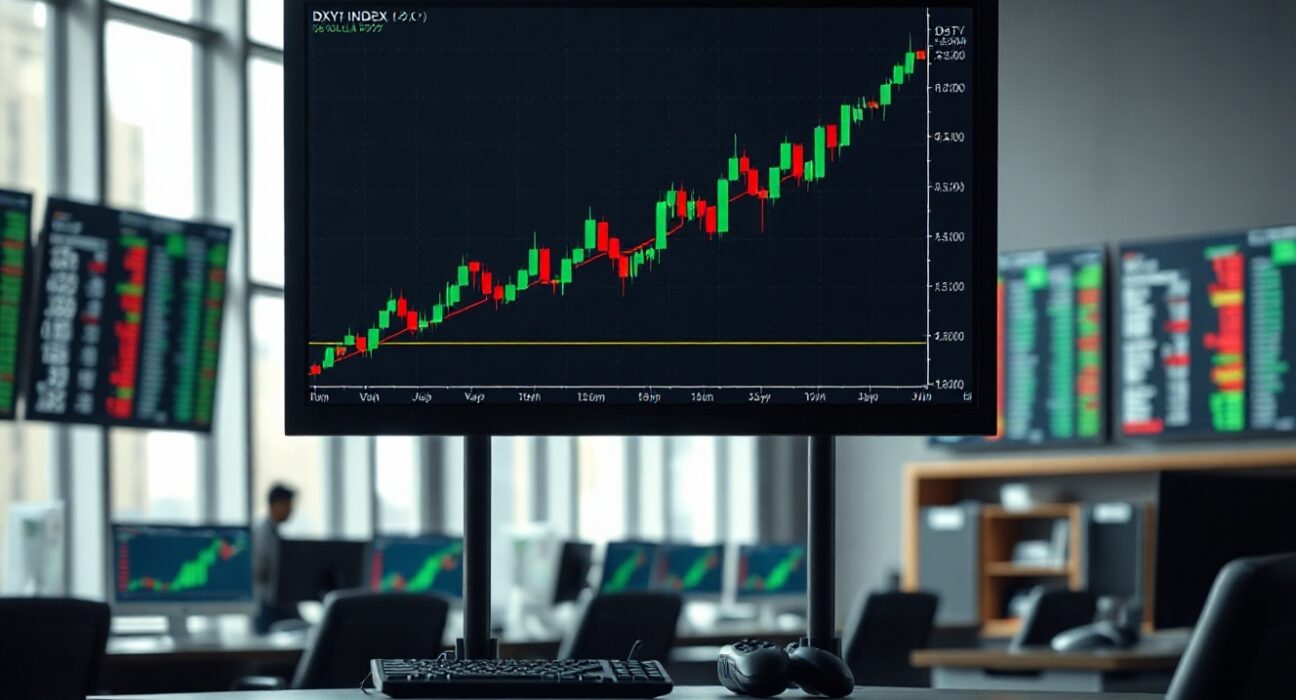
The US Dollar Index (DXY), a key measure of the greenback’s value against a basket of major currencies, has climbed above the 99.50 threshold, driven by escalating geopolitical tensions in the Middle East and a hotter-than-expected US Producer Price Index (PPI) report. The move underscores renewed safe-haven demand for the dollar amid global uncertainty.
Geopolitical Tensions Fuel Risk Aversion
Renewed hostilities and diplomatic strains in the Middle East have rattled global markets, prompting investors to seek refuge in traditional safe-haven assets, including the US dollar and gold. The latest escalation, involving military posturing and supply chain concerns in the energy sector, has amplified fears of broader regional instability. Historically, periods of heightened geopolitical risk tend to boost the dollar’s appeal, as it remains the world’s primary reserve currency and a preferred hedge against turmoil.
Hot US PPI Data Reinforces Fed Hawkish Stance
Adding to the dollar’s upward momentum, the US Bureau of Labor Statistics reported a stronger-than-anticipated rise in the Producer Price Index for final demand. The data, which tracks wholesale inflation, came in above market expectations, signaling that price pressures in the production pipeline remain stubborn. This development reinforces expectations that the Federal Reserve will maintain its restrictive monetary policy stance for longer, potentially delaying any rate cuts. Higher interest rates typically attract foreign capital, further supporting the dollar’s valuation.
Market Implications and Investor Outlook
The combination of safe-haven flows and hawkish Fed expectations has created a potent tailwind for the greenback. Currency traders are now closely watching for any signs of further escalation in the Middle East, as well as upcoming US economic data, including retail sales and consumer sentiment readings. A sustained move above the 100.00 psychological level could signal a broader trend reversal for the dollar, which had weakened in recent months. For emerging market currencies and commodities priced in dollars, such as oil and gold, a stronger dollar often introduces headwinds.
Conclusion
The US Dollar Index’s climb above 99.50 reflects a dual catalyst: geopolitical risk aversion and a robust inflation reading that keeps the Fed on a tightening path. While the immediate outlook appears bullish for the dollar, the sustainability of this move will depend on how Middle East developments unfold and whether upcoming economic data confirms the persistence of inflationary pressures. Investors should remain vigilant, as any de-escalation or softer inflation data could quickly reverse the current trend.
FAQs
Q1: What is the US Dollar Index (DXY)?
The US Dollar Index (DXY) measures the value of the US dollar against a basket of six major currencies: the euro, Japanese yen, British pound, Canadian dollar, Swedish krona, and Swiss franc. It is widely used as a benchmark for the dollar’s overall strength in global forex markets.
Q2: Why do Middle East tensions affect the dollar?
Geopolitical tensions, especially in oil-rich regions like the Middle East, increase global uncertainty and risk aversion. Investors often move capital into safe-haven assets like the US dollar and US Treasuries, driving up demand and the dollar’s value.
Q3: How does a hot PPI report impact the dollar?
A higher-than-expected Producer Price Index (PPI) signals rising wholesale inflation, which can lead to higher consumer prices. This strengthens the case for the Federal Reserve to keep interest rates elevated or even hike further, attracting foreign investment and boosting the dollar.
Disclaimer: The information provided is not trading advice, Bitcoinworld.co.in holds no liability for any investments made based on the information provided on this page. We strongly recommend independent research and/or consultation with a qualified professional before making any investment decisions.
