

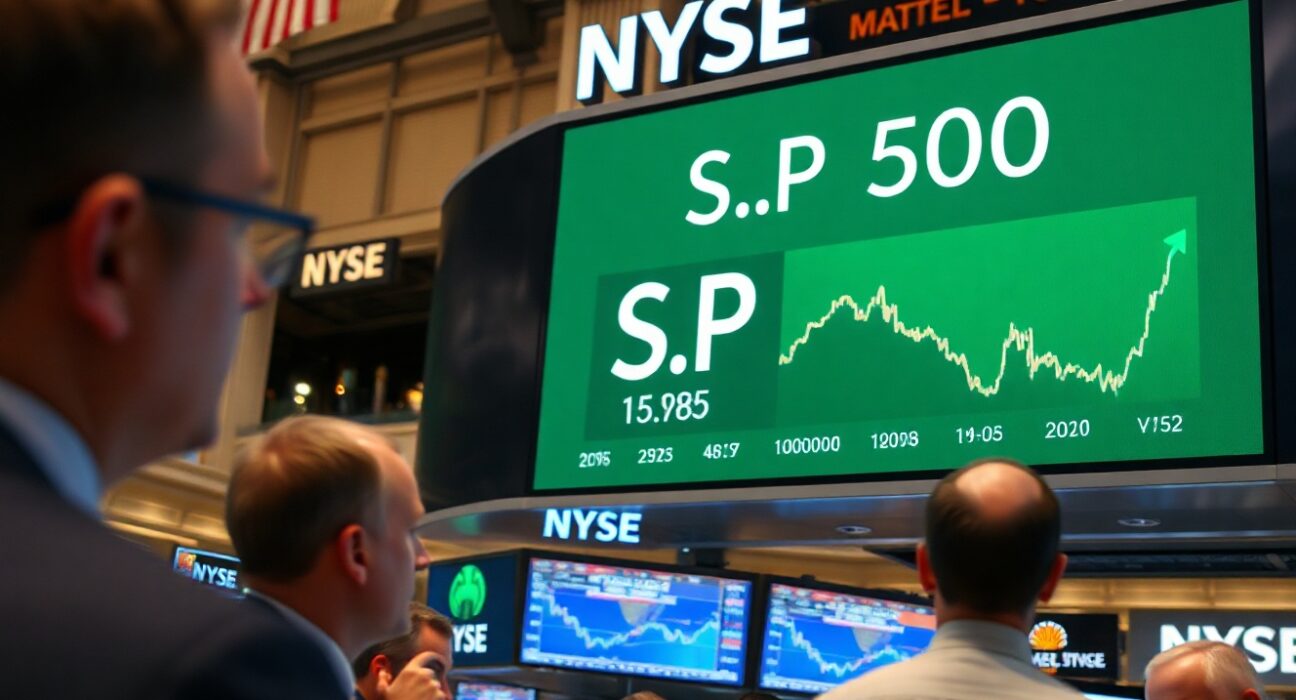
The S&P 500 posted a sharp rally on Tuesday, driven by a combination of declining crude oil prices and a repricing of interest rate expectations, according to a new analysis from Deutsche Bank. The benchmark index rose over 1.5% in afternoon trading, recovering some of the losses seen in recent weeks as investors recalibrated their outlook on inflation and monetary policy.
Lower Oil Prices Ease Inflation Concerns
Crude oil futures fell more than 3% during the session, touching their lowest levels in several weeks. The drop was attributed to weaker-than-expected demand data from major economies and an unexpected build in U.S. crude inventories. For equity markets, lower energy costs are seen as a tailwind that could help cool persistent inflation pressures, reducing the likelihood of further aggressive rate hikes by the Federal Reserve.
Deutsche Bank strategists noted in a client note that the decline in oil prices is providing a much-needed relief valve for risk assets. “The correlation between oil and equities has flipped in recent days, with lower crude now being interpreted as a positive for corporate margins and consumer spending,” the note stated. The firm highlighted that energy sector stocks, which had been a leading performer this year, were among the laggards on Tuesday, while rate-sensitive sectors such as technology and real estate led the gains.
Rate Repricing Boosts Growth Stocks
The rally was also supported by a shift in bond market expectations. The yield on the 10-year U.S. Treasury note fell by 8 basis points to 4.12%, as traders priced in a lower peak for the federal funds rate. Futures markets now indicate a roughly 60% probability that the Fed will hold rates steady at its next meeting, up from 40% just a week ago. This repricing has particularly benefited growth-oriented stocks, which are more sensitive to changes in discount rates.
Major technology companies, including Apple, Microsoft, and Nvidia, each gained more than 2% on the day. The Nasdaq Composite outpaced the S&P 500, rising 2.1%. Deutsche Bank analysts pointed out that the market is interpreting the recent economic data—including softer manufacturing and services PMI readings—as evidence that the Fed’s tightening cycle may be nearing its end, even if inflation remains above the central bank’s 2% target.
What This Means for Investors
For retail and institutional investors alike, the current environment presents a complex picture. While lower oil prices and falling bond yields are supportive for equities in the short term, the underlying economic slowdown raises questions about corporate earnings growth in the second half of the year. Deutsche Bank cautioned that the rally may be partly driven by short-covering and positioning adjustments rather than a fundamental shift in the economic outlook.
“The market is pricing in a Goldilocks scenario—slowing growth that allows the Fed to pause, but not so slow that it triggers a recession,” the note continued. “This is a delicate balance, and any upside surprise in inflation or employment data could quickly reverse the current repricing.” Investors are advised to monitor upcoming CPI and jobs reports closely for confirmation of the trend.
Conclusion
The S&P 500’s rally on lower oil and rate repricing reflects a market cautiously optimistic that the worst of the inflationary cycle may be behind us. However, as Deutsche Bank’s analysis underscores, the sustainability of this move depends on incoming data and the Fed’s response. For now, the equity market is enjoying a reprieve, but the path forward remains uncertain.
FAQs
Q1: Why did the S&P 500 rally on lower oil prices?
Lower oil prices reduce input costs for many companies and ease inflationary pressures, which can lead to expectations of a less aggressive Federal Reserve. This boosts investor sentiment and drives equity prices higher.
Q2: What does ‘rate repricing’ mean in this context?
Rate repricing refers to the market adjusting its expectations for future interest rate moves. In this case, traders are now pricing in a lower peak for the federal funds rate, which makes growth stocks more attractive because their future cash flows are discounted at a lower rate.
Q3: Should investors expect this rally to continue?
While the short-term catalyst is positive, the sustainability of the rally depends on upcoming economic data. If inflation remains sticky or the labor market stays tight, the Fed may need to resume rate hikes, which could reverse the current gains. Investors should remain cautious and diversified.
Disclaimer: The information provided is not trading advice, Bitcoinworld.co.in holds no liability for any investments made based on the information provided on this page. We strongly recommend independent research and/or consultation with a qualified professional before making any investment decisions.
