

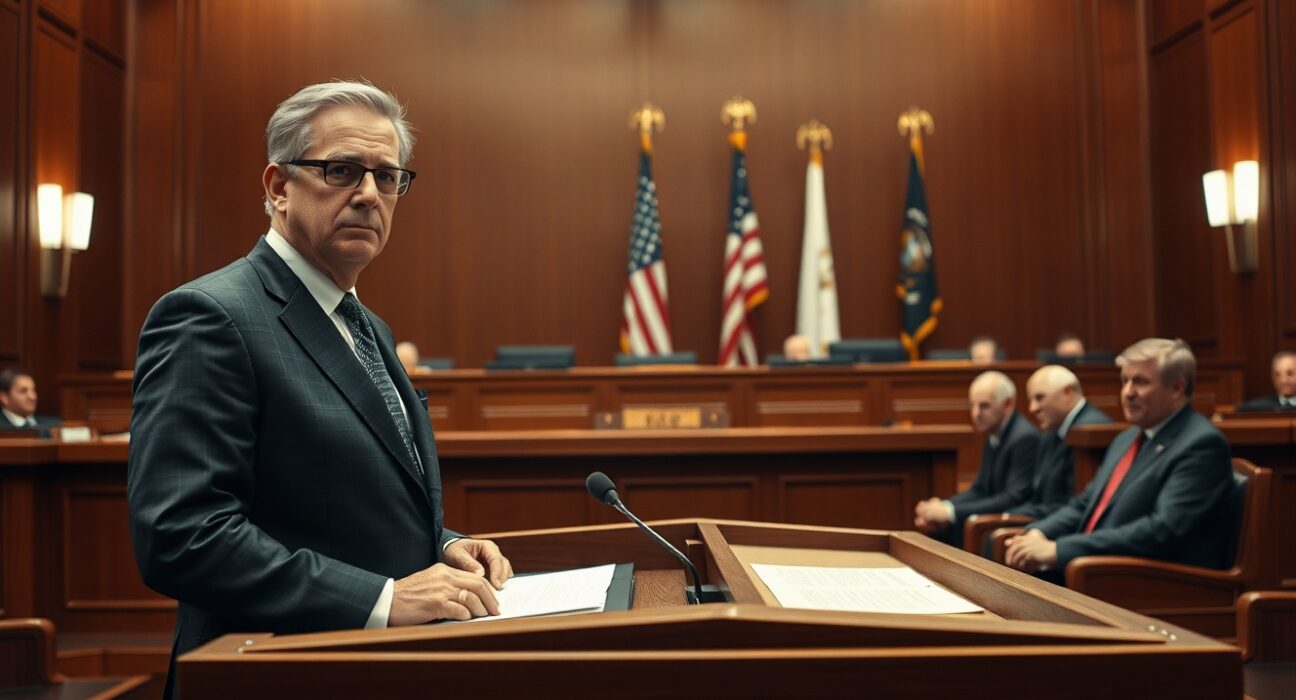
Former U.S. Securities and Exchange Commission Chairman Gary Gensler has entered a legal battle over the regulation of prediction markets, arguing that platforms like Kalshi cannot bypass state gambling laws. In an amicus brief filed with the Sixth U.S. Circuit Court of Appeals, Gensler contends that sports-related contracts offered by decentralized prediction markets fall under state-level gaming and gambling restrictions, not just federal oversight.
The Core Legal Dispute
The filing directly challenges a recent claim by the Commodity Futures Trading Commission (CFTC) that such markets fall exclusively under its federal jurisdiction. Gensler argues that while Congress granted the CFTC authority over certain derivatives, this was never intended to nullify or override state gambling laws. The case centers on whether prediction markets—platforms where users bet on outcomes like election results or sports events—can operate under a federal regulatory umbrella without adhering to individual state prohibitions.
Implications for States and Platforms
If the federal court sides with the CFTC, states could lose significant tax revenue currently generated from regulated gambling activities. Conversely, a victory for the states would require prediction markets to register and comply with a patchwork of regulations in every jurisdiction where they operate. In some states, running an unregistered gambling platform could lead to criminal charges. This legal uncertainty has cast a shadow over the rapidly growing prediction market industry, which has attracted millions of dollars in trading volume.
Why This Matters to Investors and Users
For users of platforms like Kalshi, the outcome of this appeal could determine whether they can continue trading event-based contracts legally. The case also raises broader questions about the limits of federal preemption in financial markets. Gensler’s involvement is notable given his aggressive enforcement stance on crypto and digital asset markets during his SEC tenure, suggesting he views prediction markets as a parallel regulatory concern.
Conclusion
The Sixth Circuit’s decision, expected later this year, will set a precedent for how prediction markets are regulated across the United States. As states and federal agencies vie for control, the ruling could reshape the landscape for event-based trading platforms and their millions of users. The case underscores the tension between innovation in decentralized finance and long-established state-level consumer protection laws.
FAQs
Q1: What is a prediction market?
A prediction market is a platform where users trade contracts based on the outcome of future events, such as sports games or elections. These are often structured as financial derivatives.
Q2: Why is Gary Gensler involved in this case?
Gensler filed an amicus brief as a former regulator with deep expertise in securities and derivatives law. His argument focuses on preserving state authority over gambling laws.
Q3: What happens if the court sides with the states?
Prediction markets would need to register in each state where they operate, comply with local gambling regulations, and could face criminal penalties for non-compliance in certain jurisdictions.
Disclaimer: The information provided is not trading advice, Bitcoinworld.co.in holds no liability for any investments made based on the information provided on this page. We strongly recommend independent research and/or consultation with a qualified professional before making any investment decisions.
