

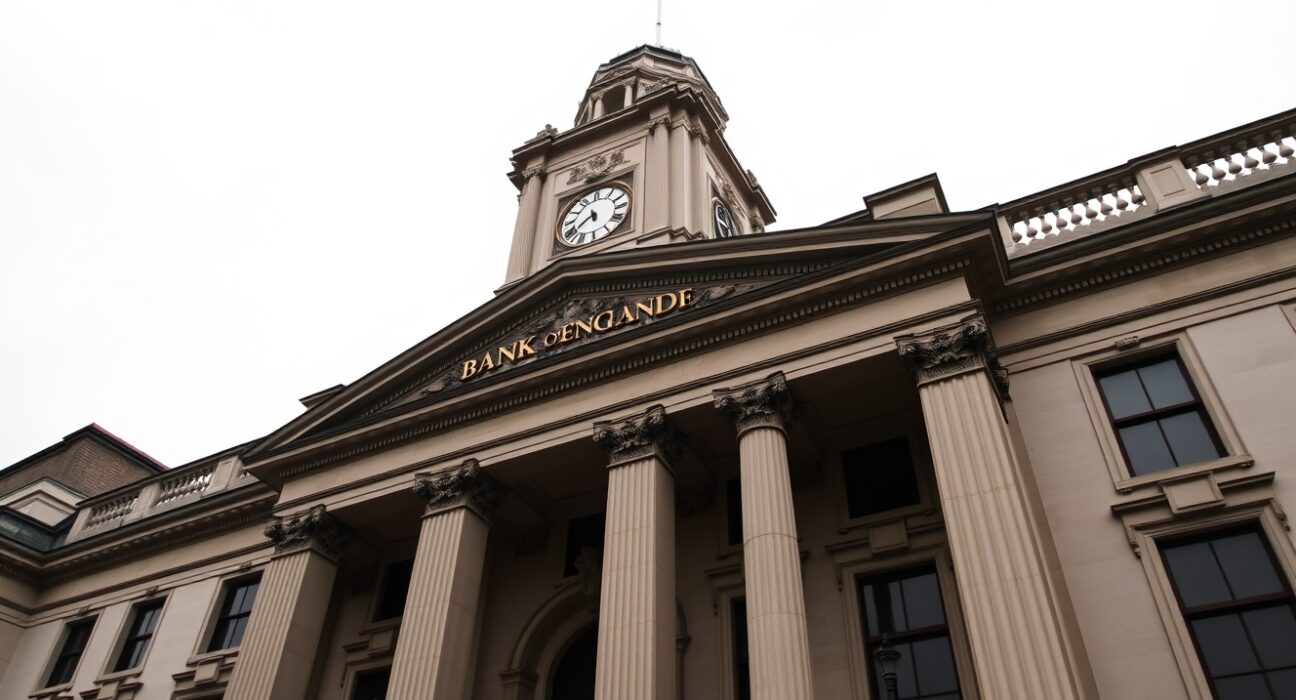
The British Pound held its ground after the Bank of England (BoE) kept interest rates unchanged at 4.5% in its March meeting, but analysts at Deutsche Bank warn that the balance of risks is shifting toward a more hawkish stance. In a note to clients, the bank’s foreign exchange strategists highlighted that while the decision was widely expected, the accompanying commentary and voting pattern suggest growing concern over persistent inflation pressures.
BoE Holds, But Dissent Signals Growing Unease
The Monetary Policy Committee voted 7-2 to maintain the current rate, with the two dissenting members favoring a 25-basis-point cut. This split was narrower than some market participants had anticipated, indicating that the majority remains cautious about loosening policy too quickly. Deutsche Bank notes that the hawkish tilt is not just about the vote count but also the tone of the minutes, which emphasized upside risks to inflation from wage growth and services sector pricing.
Market Implications for the British Pound
For currency markets, the implications are clear: the British Pound may find support in the near term as the BoE pushes back against rate cut expectations. Deutsche Bank’s analysis suggests that if inflation data continues to surprise to the upside, the market could be forced to reprice the path of UK interest rates higher, providing a tailwind for Sterling. However, the bank also cautions that global risk sentiment and the relative strength of the US Dollar remain key external factors that could cap GBP gains.
Why This Matters for Traders and Investors
For anyone holding or trading the British Pound, the key takeaway is that the BoE’s communication strategy is evolving. The central bank is signaling that it will not hesitate to maintain restrictive policy if needed to bring inflation sustainably back to the 2% target. This stands in contrast to the European Central Bank and the Federal Reserve, which have both signaled rate cuts later this year. The divergence in central bank policy is a critical driver for currency pairs like GBP/USD and EUR/GBP.
Conclusion
The BoE’s hold was a non-event in terms of the rate decision itself, but the accompanying hawkish risks are a significant development for the British Pound. Deutsche Bank’s assessment aligns with a growing consensus that the UK’s inflation problem may be stickier than previously thought. Traders should watch upcoming UK CPI and wage data closely for confirmation of this hawkish shift. For now, Sterling appears better supported than some of its peers, but the path ahead depends on whether the data validates the BoE’s caution.
FAQs
Q1: What did the Bank of England decide on interest rates?
The BoE held its benchmark interest rate at 4.5% in March, as widely expected by markets.
Q2: Why does Deutsche Bank think hawkish risks are rising?
Deutsche Bank points to the voting pattern (7-2 against a cut), hawkish language in the minutes, and persistent inflation risks from wages and services prices as signs the BoE may need to keep rates higher for longer.
Q3: How could this affect the British Pound?
A more hawkish BoE relative to other central banks could support the British Pound in the near term, as markets reduce expectations for rate cuts. However, global risk sentiment and US Dollar strength remain important countervailing factors.
Disclaimer: The information provided is not trading advice, Bitcoinworld.co.in holds no liability for any investments made based on the information provided on this page. We strongly recommend independent research and/or consultation with a qualified professional before making any investment decisions.
