

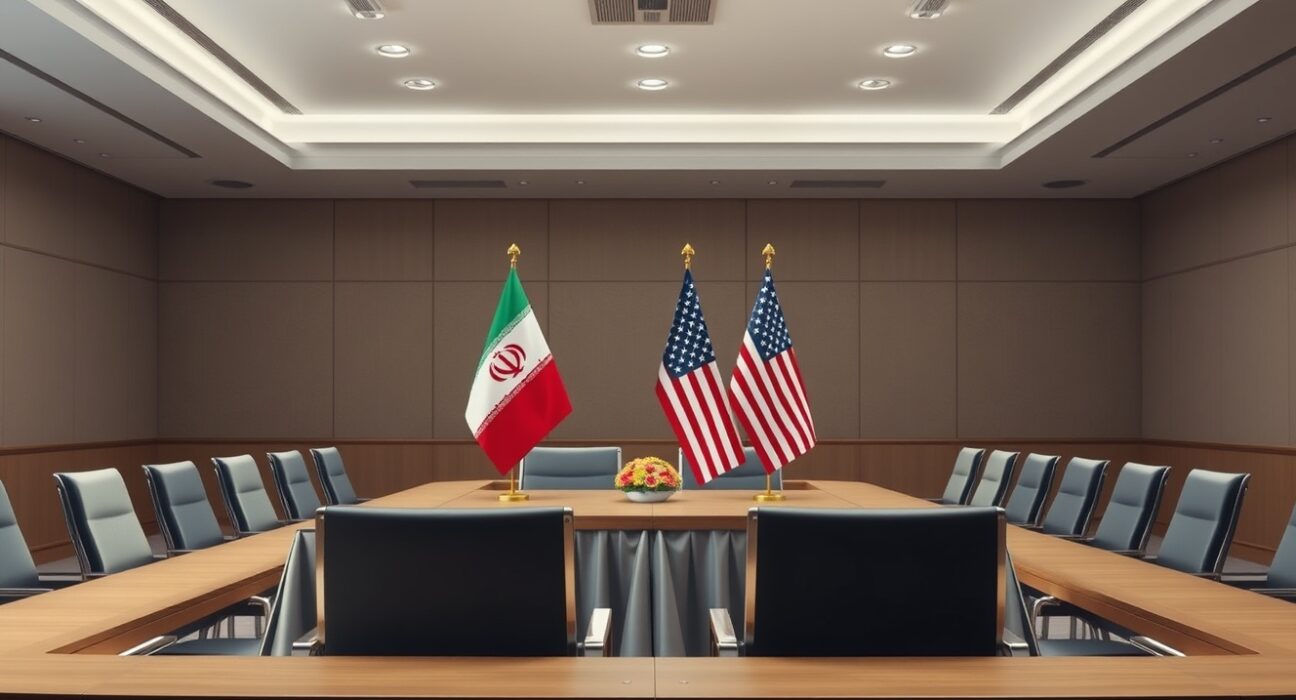
Iranian President Masoud Pezeshkian announced today that Iran and the United States are scheduled to sign a memorandum of understanding (MOU) on June 19, according to reports from Iranian state media. The announcement marks a notable development in the often tense bilateral relations between the two nations, though specific details regarding the content and scope of the agreement remain limited at this stage.
Background and Context
The planned MOU comes amid a complex backdrop of ongoing negotiations and regional tensions. Iran and the US have been engaged in indirect talks, primarily mediated by other nations, concerning Iran’s nuclear program and the potential revival of the 2015 Joint Comprehensive Plan of Action (JCPOA). While the JCPOA has remained in a state of limbo since the US withdrawal in 2018, diplomatic channels have remained open, with occasional breakthroughs and setbacks.
President Pezeshkian’s statement, while brief, signals a potential step forward in formalizing certain areas of mutual understanding. The June 19 date provides a clear timeline for what could be a significant, albeit preliminary, diplomatic milestone. However, analysts caution that an MOU is a non-binding agreement, often used to outline areas of future cooperation or shared principles, and does not carry the legal weight of a formal treaty.
Implications and Analysis
The announcement has generated cautious optimism among observers. A formalized MOU could serve as a foundation for broader discussions, potentially addressing issues such as regional security, economic cooperation, or the status of detained foreign nationals. For the Iranian government, the move may also be aimed at easing economic pressures and signaling a willingness to engage with the international community.
What This Means for Regional Stability
The timing of the announcement is also significant. It comes at a period of heightened volatility in the Middle East, with ongoing conflicts and shifting alliances. A diplomatic agreement, even a preliminary one, between Iran and the US could have stabilizing effects, influencing the policies of other regional actors, including Gulf states and Israel. Conversely, any perceived concessions or ambiguities in the MOU could face domestic criticism in both countries.
It is important to note that the full text of the MOU has not been released, and its specific provisions remain unknown. Until more details emerge, the true impact of this development remains subject to interpretation.
Conclusion
President Pezeshkian’s announcement of a planned MOU signing on June 19 represents a concrete diplomatic step between Iran and the US. While the agreement’s details are yet to be disclosed, the event itself is a noteworthy development in a relationship marked by decades of mistrust. The coming weeks will be critical in understanding the scope and implications of this agreement, and whether it paves the way for more substantial negotiations or remains a symbolic gesture.
FAQs
Q1: What is a memorandum of understanding (MOU)?
A memorandum of understanding is a non-binding agreement between two or more parties that outlines the terms and details of an understanding, including each party’s requirements and responsibilities. It is often used as a precursor to a formal, legally binding contract.
Q2: Why is the Iran-US MOU significant?
The MOU is significant because it represents a formal diplomatic step between two nations with a history of conflict and limited direct communication. It could signal a willingness to cooperate on specific issues and potentially open the door for broader negotiations, including those related to the nuclear program.
Q3: What are the potential next steps after the MOU is signed?
Following the signing, the specific terms of the MOU would guide further actions. This could include the establishment of working groups, the implementation of agreed-upon measures, or the initiation of talks on more complex issues. The success of the MOU will depend on the political will of both sides to follow through on its provisions.
Disclaimer: The information provided is not trading advice, Bitcoinworld.co.in holds no liability for any investments made based on the information provided on this page. We strongly recommend independent research and/or consultation with a qualified professional before making any investment decisions.
