

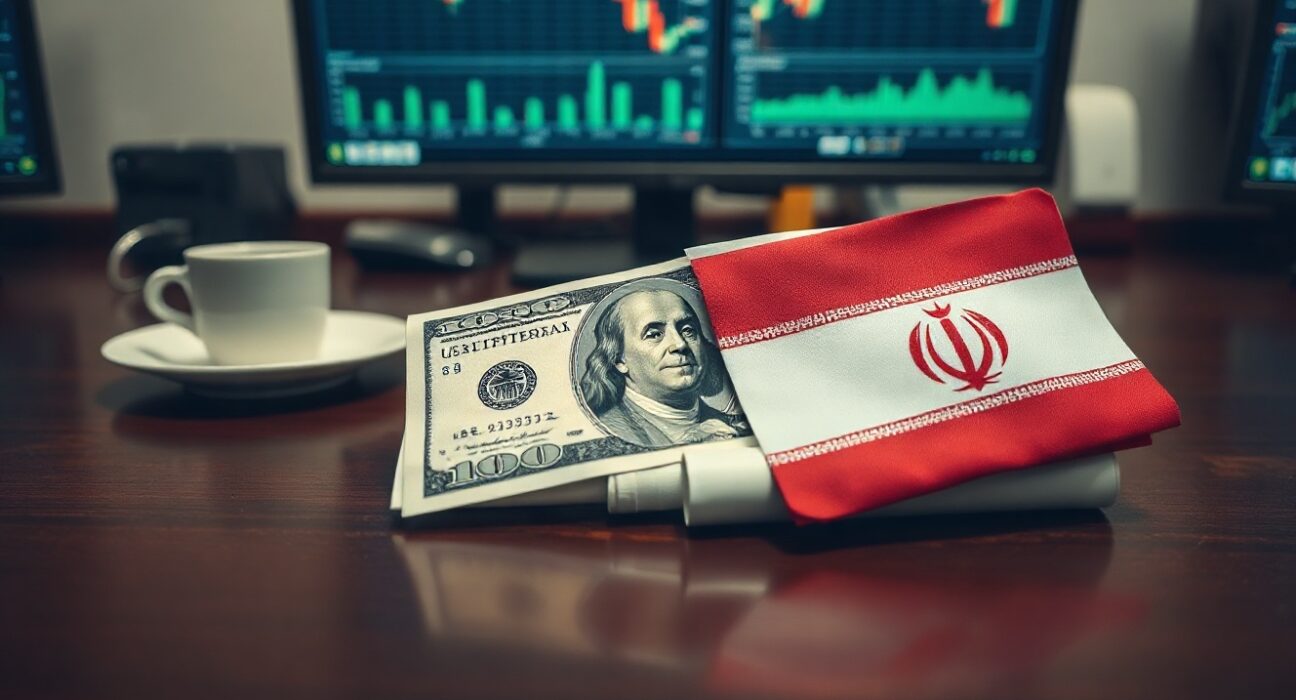
Analysts at MUFG Bank have indicated that the US dollar is likely to follow a weaker trajectory if a nuclear deal between the United States and Iran is finalized. The assessment, published in a recent research note, highlights how easing geopolitical tensions could reduce demand for safe-haven assets like the greenback.
MUFG’s Analysis on Dollar Dynamics
The MUFG report suggests that a successful US-Iran agreement would remove a key source of geopolitical risk that has supported the dollar in recent months. According to the bank’s currency strategists, the dollar index (DXY) could face downward pressure as investors rotate toward riskier currencies and emerging market assets. The analysts point to a potential decline in oil prices as a secondary factor, which would reduce the dollar’s appeal as a commodity-linked currency hedge.
Implications for Currency Markets
A weaker dollar would have broad implications for global currency markets. The euro and Japanese yen could strengthen against the dollar, while currencies of oil-importing nations might benefit from lower energy costs. MUFG’s forecast aligns with a growing consensus among forex analysts that the dollar’s safe-haven premium is eroding as geopolitical risks subside. However, the bank cautions that the actual impact will depend on the deal’s specifics and its implementation timeline.
Broader Economic Context
The potential deal comes at a time when the Federal Reserve is navigating a complex interest rate environment. A weaker dollar could complicate the Fed’s inflation fight by making imports more expensive, but it would also boost US export competitiveness. MUFG’s analysis underscores the interconnected nature of geopolitics, monetary policy, and currency valuations.
Conclusion
While the US-Iran deal remains unconfirmed, MUFG’s assessment provides a clear roadmap for how currency markets might react. Investors should monitor diplomatic developments closely, as a finalized agreement could signal a sustained shift in dollar dynamics. The bank’s analysis reinforces the importance of geopolitical factors in forex trading strategies.
FAQs
Q1: Why would a US-Iran deal weaken the US dollar?
A1: A deal would reduce geopolitical tensions, diminishing demand for safe-haven assets like the US dollar. Investors typically seek the dollar during crises, so easing risks leads to capital flowing toward higher-yielding currencies.
Q2: What other currencies could benefit from a weaker dollar?
A2: Currencies such as the euro, Japanese yen, and emerging market currencies like the Mexican peso or South African rand could strengthen. Oil-importing nations’ currencies may also gain from lower energy costs.
Q3: Is MUFG’s forecast certain?
A3: No, it is an analytical projection based on current conditions. Actual outcomes depend on the deal’s terms, implementation, and broader economic factors, including Federal Reserve policy.
Disclaimer: The information provided is not trading advice, Bitcoinworld.co.in holds no liability for any investments made based on the information provided on this page. We strongly recommend independent research and/or consultation with a qualified professional before making any investment decisions.
