

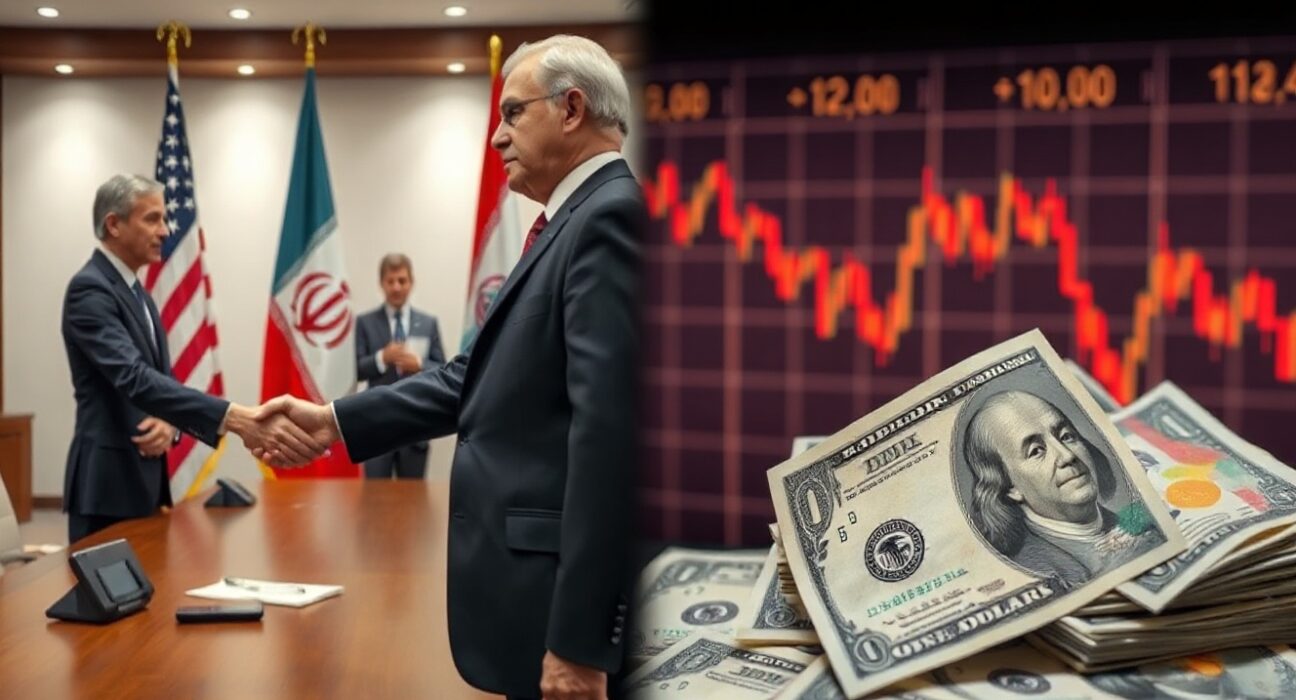
The United States Dollar experienced a measured decline in early trading this week, driven by renewed optimism surrounding a potential peace agreement between the US and Iran. However, the currency’s losses remain contained as a persistently hawkish stance from the Federal Reserve continues to underpin investor confidence in the greenback.
Geopolitical Detente Weighs on Safe-Haven Demand
Reports of progress in indirect talks between Washington and Tehran have reduced geopolitical risk premiums, prompting a modest shift away from traditional safe-haven assets like the US Dollar. The prospect of de-escalation in the Middle East, a region critical to global energy supplies, has also eased concerns about supply disruptions, which indirectly pressures the dollar by lowering demand for crisis-driven liquidity.
Currency analysts note that any concrete agreement could lead to a normalization of Iranian oil exports, potentially lowering global energy prices and reducing inflationary pressures. This dynamic, in turn, could influence the pace of monetary policy adjustments by major central banks, including the Fed.
Hawkish Fed Outlook Provides a Floor
Despite the geopolitical headwinds, the US Dollar has not fallen sharply. The primary reason is the Federal Reserve’s continued commitment to a restrictive monetary policy stance. Recent comments from Fed officials have reinforced expectations that interest rates will remain elevated for longer than previously anticipated, a factor that typically supports currency strength by attracting yield-seeking capital.
Market participants are closely watching upcoming US economic data, particularly inflation and employment figures, for clues on the Fed’s next moves. A resilient labor market and sticky inflation readings would likely validate the hawkish outlook, potentially reversing the dollar’s short-term weakness.
Market Implications for Traders and Investors
For forex traders, the current environment presents a nuanced picture. The dollar’s direction will likely hinge on the interplay between geopolitical developments and domestic monetary policy signals. A definitive peace deal could trigger a more sustained sell-off in the dollar, while any breakdown in talks or a surprise hawkish Fed pivot could quickly reignite demand.
Emerging market currencies, particularly those sensitive to oil prices and US interest rates, are expected to remain volatile. A weaker dollar combined with lower oil prices could provide relief for import-dependent economies, but the benefit may be tempered by the high cost of dollar-denominated debt.
Conclusion
The US Dollar’s current weakness is a tactical reaction to improving US-Iran relations, but it is far from a trend reversal. The Federal Reserve’s unwavering focus on combating inflation continues to act as a powerful support mechanism for the greenback. Investors should monitor both diplomatic channels and Fed communication closely, as the balance between these two forces will define the dollar’s trajectory in the coming weeks.
FAQs
Q1: Why does a US-Iran peace deal weaken the US Dollar?
A: Peace deals reduce geopolitical risk, which lowers demand for safe-haven assets like the US Dollar. Investors become more willing to move capital into higher-yielding or riskier currencies, reducing the dollar’s relative strength.
Q2: How does a hawkish Federal Reserve support the US Dollar?
A: A hawkish Fed signals higher interest rates or a slower pace of rate cuts. Higher rates attract foreign investment seeking better returns, increasing demand for the dollar and boosting its value.
Q3: Could the US Dollar strengthen again despite the peace deal?
A: Yes, if the Federal Reserve maintains or tightens its policy stance, or if the peace deal fails to materialize. The dollar’s ultimate direction depends on which factor—geopolitics or monetary policy—has a stronger influence on market sentiment.
Disclaimer: The information provided is not trading advice, Bitcoinworld.co.in holds no liability for any investments made based on the information provided on this page. We strongly recommend independent research and/or consultation with a qualified professional before making any investment decisions.
