

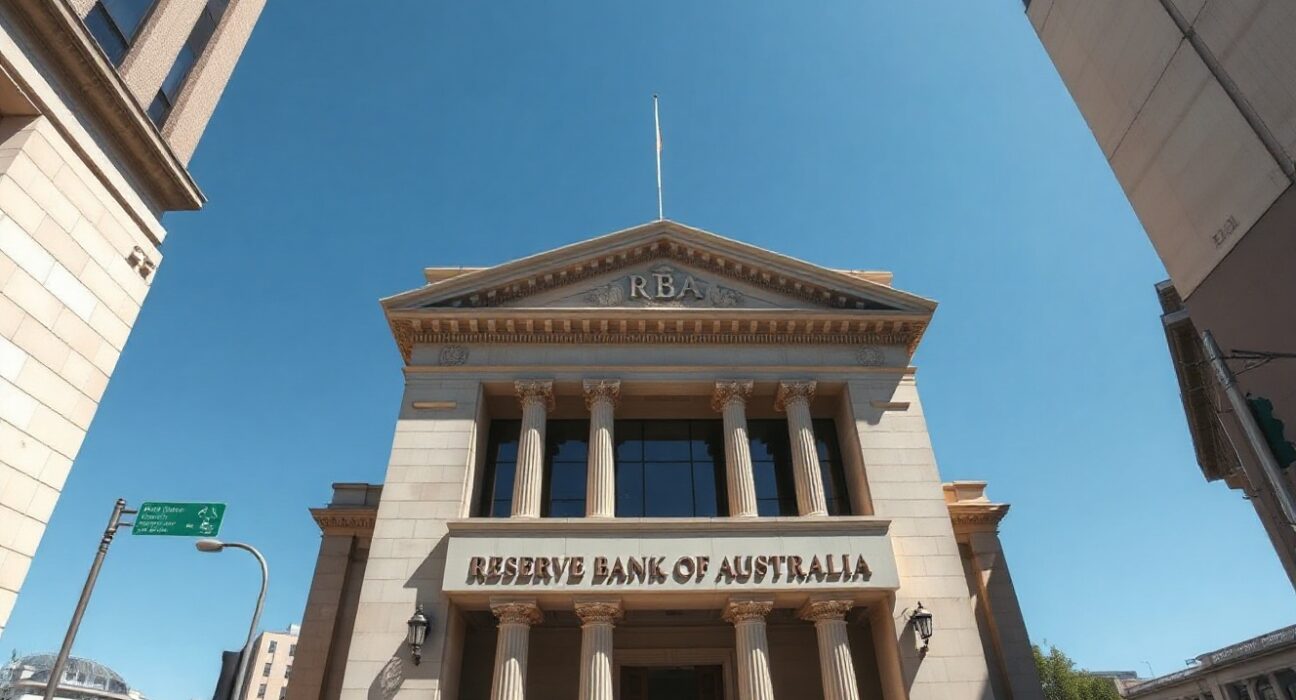
The Reserve Bank of Australia is increasingly expected to hold interest rates steady at its upcoming meeting, as fresh data points to a marked slowdown in domestic economic activity. After a rapid tightening cycle that lifted the cash rate to multi-year highs, policymakers are weighing the lagged effects of previous hikes against stubbornly persistent inflation.
Signs of Cooling Growth
Recent economic indicators suggest that the Australian economy is losing momentum faster than many analysts anticipated. Retail sales have softened, consumer confidence remains fragile, and business conditions have eased from elevated levels. The labor market, while still tight, is showing early signs of loosening, with job vacancies declining and underemployment edging higher.
The RBA’s own forecasts, released in its latest Statement on Monetary Policy, project GDP growth to slow to below trend through the remainder of the year. This weaker growth trajectory gives the central bank room to pause its tightening campaign without immediately abandoning its inflation-fighting stance.
Inflation Still the Key Concern
Despite the economic slowdown, inflation remains above the RBA’s 2–3% target band. The trimmed mean measure of core inflation, which the bank watches closely, has moderated but remains elevated. Services inflation, in particular, has proven stickier than goods inflation, driven by rising labor costs and rental pressures.
Governor Michele Bullock has consistently emphasized that the board will be guided by incoming data rather than a preset path. The decision to hold rates would signal that the board sees sufficient progress on inflation to warrant a pause, but it would also leave the door open for further hikes if price pressures reaccelerate.
What This Means for Borrowers
For mortgage holders, a pause would provide welcome relief after months of rising repayments. However, economists caution that rates are likely to remain elevated for an extended period, even if the tightening cycle has ended. The RBA has made clear it wants to see inflation sustainably within the target band before considering any rate cuts.
Financial markets have priced in a high probability of a hold at the next meeting, with some economists forecasting that the cash rate has peaked. But the outlook remains uncertain, and any unexpected uptick in inflation could force the board to resume hiking.
Global Context
The RBA’s potential pause aligns with a broader trend among central banks. The Federal Reserve has held rates steady at its last two meetings, and the European Central Bank has also signaled caution. However, the RBA faces unique challenges, including a housing market that remains vulnerable to higher rates and a household sector carrying significant debt.
The board’s decision will also be influenced by global economic conditions, particularly the slowdown in China, Australia’s largest trading partner. Weaker demand from China could further dampen Australian growth, reducing the need for tighter monetary policy.
Conclusion
The RBA appears to be moving toward a pause in its rate hiking cycle as evidence mounts that the economy is slowing. While inflation remains above target, the board may judge that enough progress has been made to hold rates steady while monitoring the lagged effects of past hikes. The decision will be closely watched by markets, businesses, and households alike, as it will signal the central bank’s confidence that inflation is on a path back to target without triggering a sharp downturn.
FAQs
Q1: Will the RBA definitely pause rates at the next meeting?
The RBA has not confirmed its decision, but market pricing and economic data suggest a high probability of a hold. The board will consider the latest inflation, employment, and growth data before deciding.
Q2: If rates pause, when might they start cutting?
Most economists expect rates to remain on hold for an extended period. Cuts are unlikely until inflation is sustainably within the 2–3% target band, which may not occur until late 2024 or 2025.
Q3: How would a rate pause affect the housing market?
A pause could stabilize buyer sentiment and slow the decline in property prices, but higher rates have already reduced borrowing capacity. The housing market is likely to remain subdued until there is clearer evidence that rates have peaked and will eventually decline.
Disclaimer: The information provided is not trading advice, Bitcoinworld.co.in holds no liability for any investments made based on the information provided on this page. We strongly recommend independent research and/or consultation with a qualified professional before making any investment decisions.
