

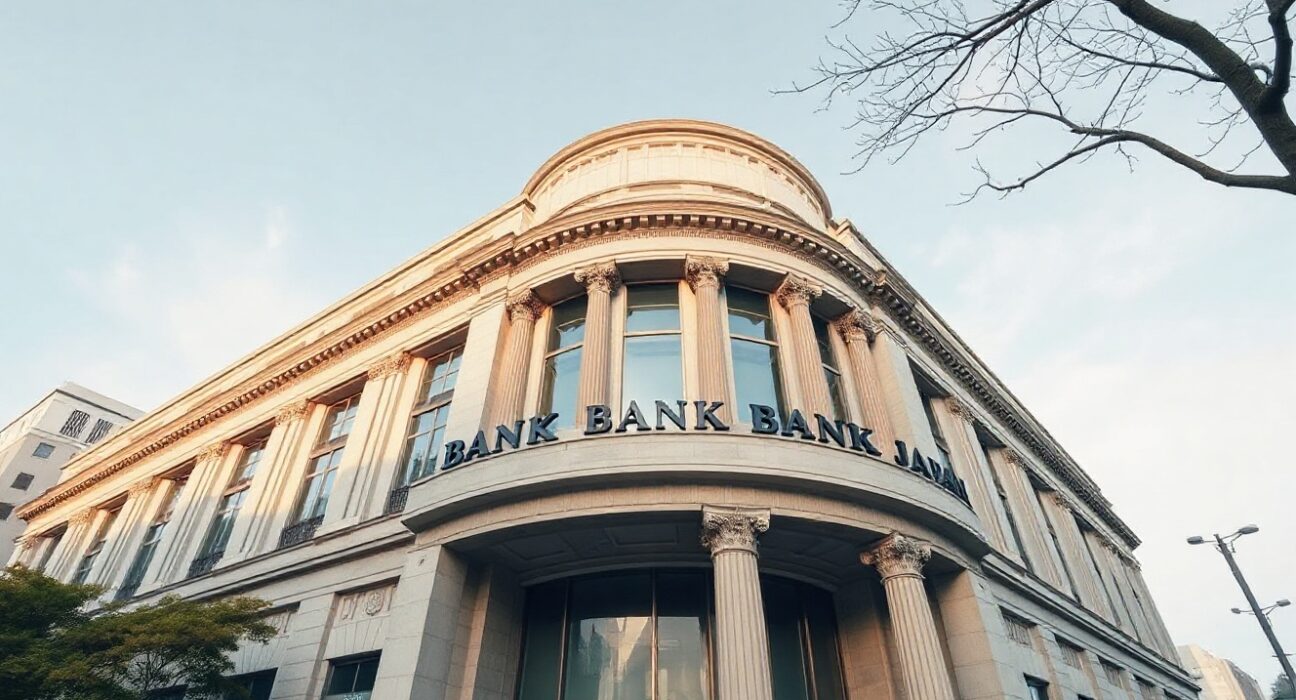
The Bank of Japan (BOJ) is widely expected to raise its benchmark interest rate to 1% at its upcoming policy meeting, marking the highest level since 1995. The move would represent a significant milestone in Japan’s long-running effort to normalize monetary policy after decades of ultra-low and negative interest rates.
Context and Timeline of Policy Tightening
Japan’s central bank has been gradually moving away from its aggressive easing stance since early 2024. After ending negative interest rates in March 2024, the BOJ raised rates to 0.25% in July 2024, and then to 0.5% in January 2025. A move to 1% would complete a full percentage point increase in just over a year, a pace not seen in Japan since the early 1990s.
The decision comes as inflation remains above the BOJ’s 2% target for an extended period, and as wage growth shows signs of becoming more broad-based. Governor Kazuo Ueda has signaled that the central bank will continue to adjust policy if economic conditions evolve as forecast.
Implications for Markets and the Yen
A rate hike to 1% would have significant implications for Japanese government bonds (JGBs), the yen, and global carry trades. The yen has already strengthened against the U.S. dollar in recent months as expectations for BOJ tightening grew. A 1% rate could further boost the yen, impacting Japanese exporters and global investors who have borrowed cheaply in yen to invest in higher-yielding assets elsewhere.
Japanese banks, which have struggled with thin margins under ultra-low rates, would benefit from higher lending profitability. However, the government’s debt servicing costs will rise, given Japan’s public debt exceeds 250% of GDP.
What This Means for Households and Businesses
For Japanese households, higher rates mean increased mortgage costs for variable-rate loans, but also higher returns on savings accounts after years of near-zero interest. Businesses, particularly small and medium enterprises, may face higher borrowing costs, potentially dampening capital investment. The BOJ will need to balance these effects against the risk of derailing the fragile economic recovery.
Conclusion
The BOJ’s expected rate hike to 1% is a landmark moment in Japan’s monetary history. It signals confidence that the economy can sustain growth without extraordinary stimulus. However, the central bank must navigate carefully to avoid triggering financial instability or stalling consumption. The decision will be closely watched by global investors and central banks alike.
FAQs
Q1: When will the Bank of Japan announce the rate decision?
The BOJ’s next policy meeting is scheduled for [insert date if known, otherwise: later this month]. The decision is typically announced around midday Tokyo time, followed by a press conference by Governor Ueda.
Q2: Why is the BOJ raising rates now?
The BOJ is raising rates because inflation has been persistently above its 2% target, and wage growth is strengthening. The central bank aims to prevent the economy from overheating and to normalize policy after years of extraordinary easing.
Q3: How will a 1% rate affect the Japanese yen?
A rate hike to 1% is likely to strengthen the yen further, as higher interest rates attract foreign capital. A stronger yen can reduce import costs but may hurt exporters’ profits.
Disclaimer: The information provided is not trading advice, Bitcoinworld.co.in holds no liability for any investments made based on the information provided on this page. We strongly recommend independent research and/or consultation with a qualified professional before making any investment decisions.
