

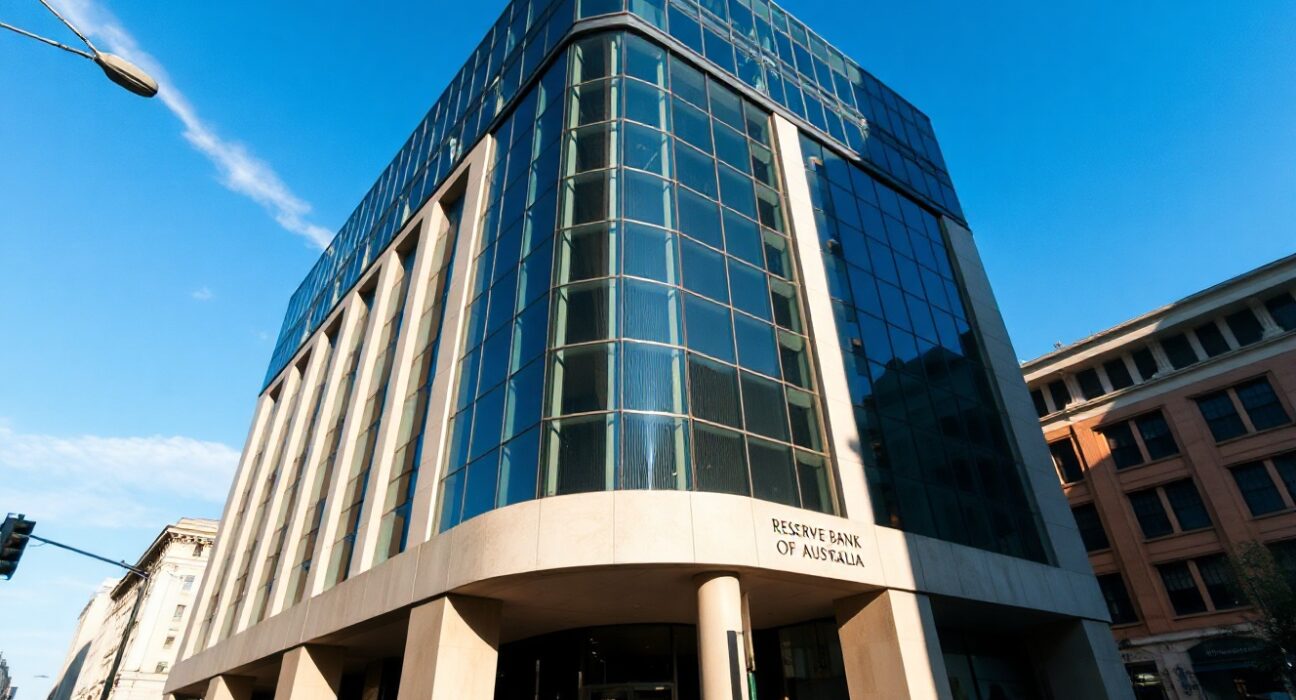
The Reserve Bank of Australia’s (RBA) decision to hold interest rates steady in its latest meeting underscores a more pronounced economic slowdown than previously anticipated, according to analysts at Societe Generale. The French investment bank’s assessment adds to a growing consensus that the central bank is balancing persistent inflation risks against weakening domestic demand.
Decoding the RBA’s Steady Hand
The RBA left the cash rate unchanged at 4.35% following its April meeting, a move widely expected by markets. However, Societe Generale’s analysis suggests the decision is less about confidence in inflation returning to target and more about acknowledging a sharper-than-expected loss of economic momentum. The bank points to softening consumer spending, a cooling housing market, and a slowdown in business investment as key indicators that the RBA’s tightening cycle is having a delayed but significant impact.
Implications for the Australian Dollar and Bond Markets
Societe Generale strategists note that the policy hold, combined with dovish language in the RBA’s accompanying statement, has implications for currency and fixed-income markets. The Australian dollar has already weakened against the US dollar in recent sessions, and analysts expect further pressure if the RBA is forced to consider rate cuts later this year. Australian government bond yields have also edged lower, reflecting increased expectations of an easing cycle.
What This Means for Borrowers and Investors
For Australian households and businesses, the RBA’s hold provides temporary relief from further rate hikes, but it does not signal an imminent pivot to cuts. Societe Generale cautions that the central bank remains data-dependent and will need to see sustained evidence of inflation moderating before adjusting policy. Investors should watch upcoming employment and CPI data closely for signals on the RBA’s next move.
Conclusion
Societe Generale’s analysis reinforces the view that the RBA’s policy stance is increasingly driven by growth concerns rather than inflation alone. The Australian economy faces headwinds from global uncertainty and domestic demand weakness, and the central bank’s current hold may be a prelude to a more accommodative policy if conditions deteriorate further.
FAQs
Q1: Why did the RBA hold interest rates steady?
The RBA held rates at 4.35% to assess the impact of previous rate hikes on inflation and economic growth, with growing signs that the economy is slowing more than expected.
Q2: What does Societe Generale predict for future RBA rate moves?
Societe Generale analysts believe the RBA may be forced to consider rate cuts later this year if economic data continues to weaken, but no immediate change is expected.
Q3: How does the RBA’s decision affect Australian borrowers?
The hold provides short-term stability for mortgage holders and businesses, but borrowing costs remain high. Any future rate cuts would depend on inflation falling sustainably toward the 2-3% target.
Disclaimer: The information provided is not trading advice, Bitcoinworld.co.in holds no liability for any investments made based on the information provided on this page. We strongly recommend independent research and/or consultation with a qualified professional before making any investment decisions.
