

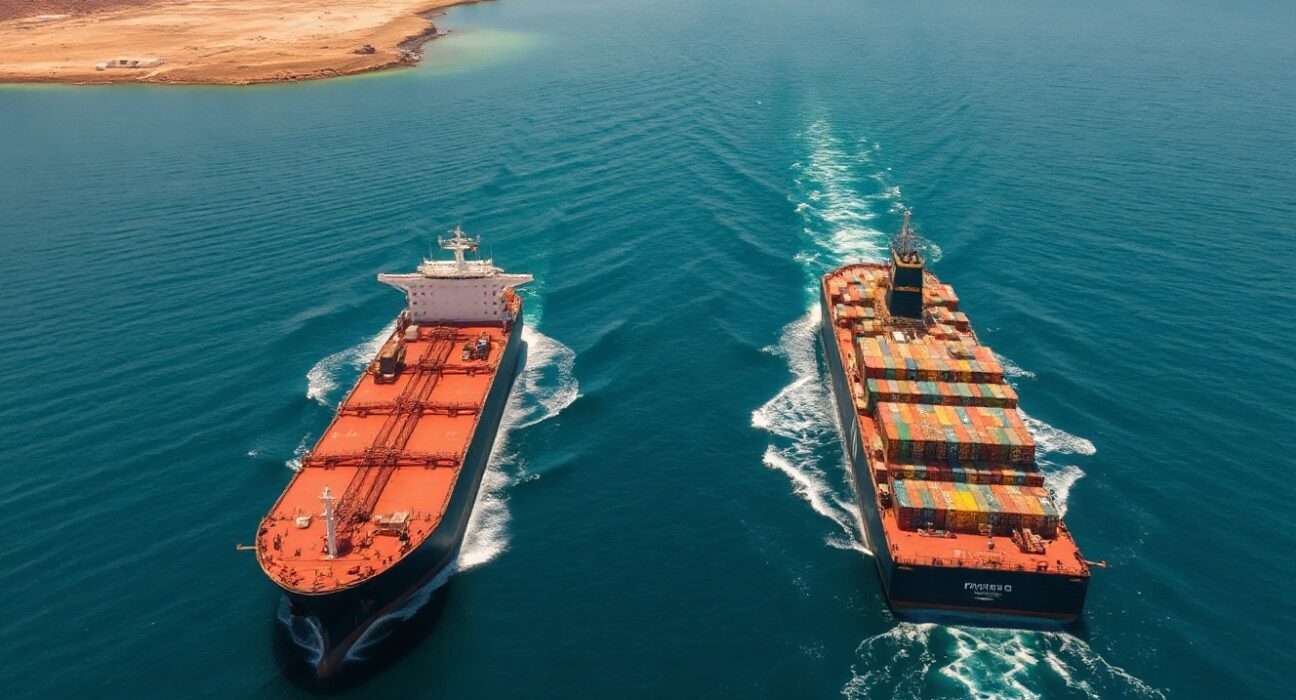
Washington, D.C. — U.S. President Donald Trump announced on June 16 that his administration would fully reopen the Strait of Hormuz by June 19, a move with far-reaching implications for global energy markets and maritime security in the Persian Gulf. The announcement, made during a brief press statement, did not provide specific operational details but signaled a decisive shift in U.S. policy toward ensuring the free flow of oil and commercial shipping through one of the world’s most strategically vital chokepoints.
Background and Strategic Context
The Strait of Hormuz, a narrow waterway between Iran and Oman, connects the Persian Gulf with the Gulf of Oman and the Arabian Sea. Approximately 20% of the world’s total oil consumption passes through this strait daily, making it a critical artery for global energy supply. The waterway has been a focal point of geopolitical tension for decades, particularly between Iran and Western nations. Recent disruptions, including heightened military posturing and threats to shipping, have raised insurance costs and prompted some tanker operators to seek alternative routes, though no complete closure has been officially confirmed in recent weeks. The President’s use of the term ‘reopen’ suggests that the administration views current conditions as an unacceptable impediment to free navigation.
Immediate Market and Industry Reactions
Oil markets responded cautiously to the announcement. Benchmark Brent crude futures saw a slight decline of approximately 1.5% in early trading on June 17, as traders weighed the potential for increased supply flows against lingering uncertainties about enforcement and regional responses. Shipping industry analysts noted that the key question remains whether the U.S. plan involves naval escorts, diplomatic agreements, or a combination of both. The June 19 deadline is exceptionally tight, leaving little time for complex multilateral negotiations.
Impact on Global Energy Security
For countries heavily dependent on Persian Gulf oil — including Japan, India, South Korea, and many European nations — a stable Strait of Hormuz is essential. Any credible plan to ensure safe passage would reduce the risk premium baked into oil prices and ease concerns about supply chain disruptions. However, analysts caution that a unilateral U.S. action could escalate tensions with Iran, which has historically viewed its ability to influence traffic through the strait as a key lever of regional power. The coming days will reveal whether this announcement is the beginning of a diplomatic push or a prelude to more direct military involvement.
Conclusion
President Trump’s vow to fully reopen the Strait of Hormuz by June 19 represents a significant policy declaration with immediate and long-term stakes for global energy markets, maritime security, and U.S. foreign policy in the Middle East. With a tight deadline and limited public details, the world will be watching closely to see how this commitment translates into action. The outcome will have direct consequences for oil prices, shipping costs, and regional stability.
FAQs
Q1: Why is the Strait of Hormuz so important?
The Strait of Hormuz is a narrow waterway through which about 20% of the world’s oil passes daily. It is the most critical chokepoint for global energy supply, connecting Persian Gulf producers to international markets.
Q2: What does ‘fully reopen’ mean in this context?
The term suggests that the U.S. intends to ensure unrestricted passage for commercial and oil tanker traffic, removing any perceived or actual barriers — whether from military threats, insurance complications, or diplomatic restrictions.
Q3: How realistic is a June 19 deadline?
The three-day timeline is extremely ambitious. It implies that preparatory actions may already be underway or that the announcement is intended to signal urgency rather than a fully detailed operational plan. The feasibility will depend on coordination with allies and the response from regional actors.
Disclaimer: The information provided is not trading advice, Bitcoinworld.co.in holds no liability for any investments made based on the information provided on this page. We strongly recommend independent research and/or consultation with a qualified professional before making any investment decisions.
