

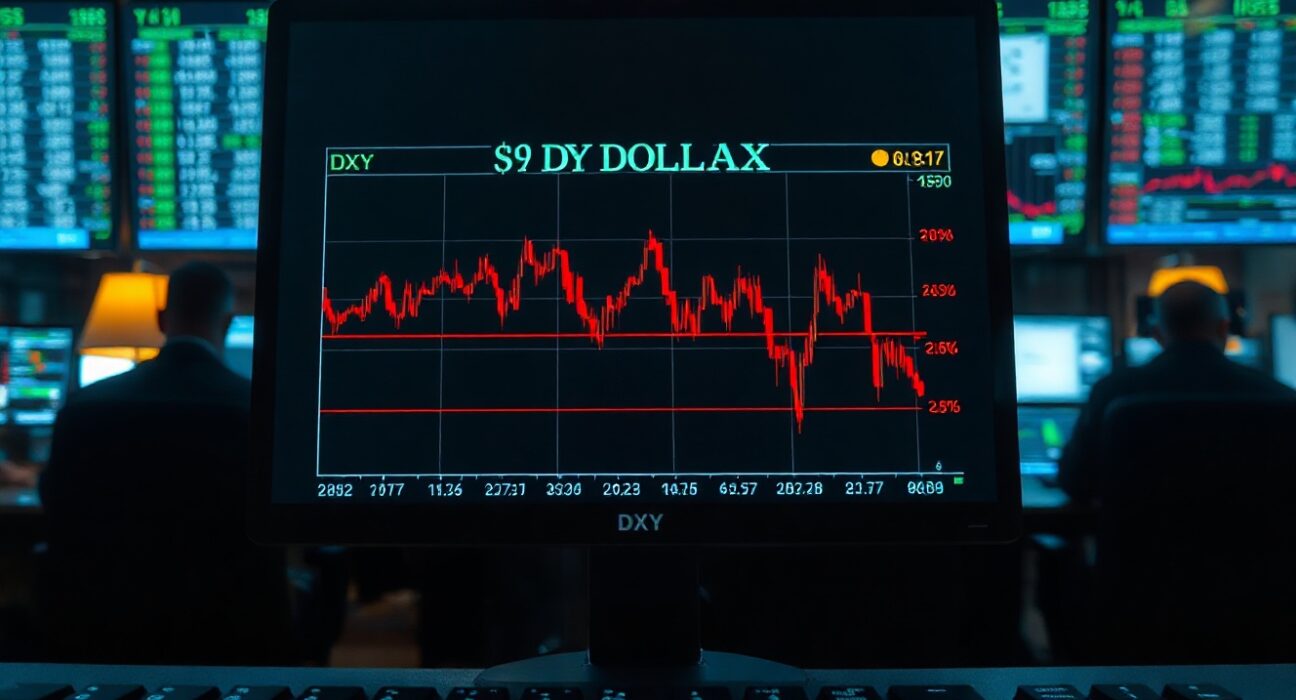
The US Dollar Index (DXY) edged lower to approximately 99.50 during Wednesday’s trading session, reflecting growing market optimism over a potential peace deal between the United States and Iran. The decline comes as traders also position ahead of the Federal Reserve’s highly anticipated interest rate decision, scheduled for later today.
Market Optimism Surrounding US-Iran Talks
Reports of renewed diplomatic progress between Washington and Tehran have fueled expectations of a de-escalation in Middle Eastern tensions. A successful agreement could reduce geopolitical risk premiums in energy markets and lower safe-haven demand for the US dollar. Analysts note that any tangible breakthrough in negotiations would likely weigh further on the greenback, as investors rotate toward higher-yielding assets and currencies tied to global trade.
Fed Rate Decision in Focus
Market participants are closely watching the Federal Reserve’s policy announcement, with expectations of a potential rate cut or a dovish forward guidance signal. The CME FedWatch Tool currently indicates a high probability of a 25-basis-point reduction, which would mark the first rate cut in the current cycle. A dovish outcome could accelerate the dollar’s decline, while a hawkish surprise might provide temporary support. The decision is due at 2:00 PM ET, followed by a press conference from Fed Chair Jerome Powell.
Impact on Global Currency Markets
The dollar’s weakness has provided a tailwind for other major currencies, with the euro, yen, and British pound all gaining ground against the greenback. Emerging market currencies, particularly those sensitive to oil prices and trade flows, have also benefited. However, analysts caution that the dollar’s trajectory remains highly dependent on both the Fed’s messaging and the concrete outcomes of US-Iran negotiations.
Conclusion
The US Dollar Index’s decline to near 99.50 underscores the interplay between geopolitical developments and monetary policy expectations. While peace deal optimism and potential Fed easing are driving near-term dollar weakness, the currency’s longer-term path will hinge on the actual implementation of any agreement and the central bank’s commitment to its easing cycle. Traders should remain alert to heightened volatility around the Fed’s announcement.
FAQs
Q1: Why is the US Dollar Index falling?
The index is declining due to optimism over a potential US-Iran peace deal, which reduces safe-haven demand for the dollar, and anticipation of a dovish Federal Reserve rate decision that could lower interest rate differentials.
Q2: What does a lower US Dollar Index mean for investors?
A weaker dollar typically benefits exporters, multinational corporations, and commodities priced in dollars, such as gold and oil. It also supports foreign currencies and emerging market assets.
Q3: How might the Federal Reserve’s decision affect the dollar?
If the Fed cuts rates or signals future cuts, the dollar is likely to weaken further. If the Fed holds rates steady or takes a hawkish stance, the dollar could rebound temporarily.
Disclaimer: The information provided is not trading advice, Bitcoinworld.co.in holds no liability for any investments made based on the information provided on this page. We strongly recommend independent research and/or consultation with a qualified professional before making any investment decisions.
