

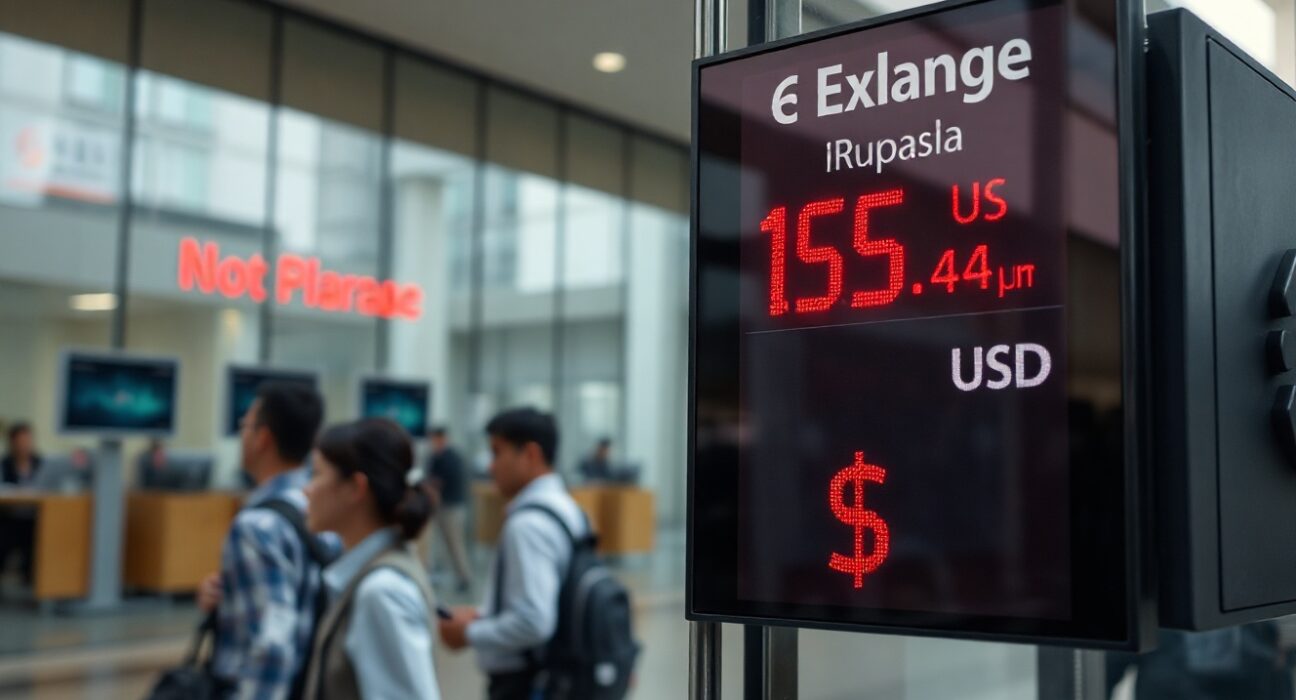
The Indonesian rupiah extended its decline against the US dollar on Wednesday as market participants adopted a cautious stance ahead of the Federal Reserve’s upcoming interest rate decision. The currency, which has faced persistent headwinds in recent weeks, slipped further as traders weighed the potential implications of US monetary policy on emerging market assets.
Market Sentiment and the Fed Factor
The rupiah traded weaker at 15,650 per dollar, reflecting broader anxiety across Asian currencies. Investors are closely watching the Federal Reserve’s two-day policy meeting, which concludes later today. The central bank is widely expected to hold rates steady, but the focus remains on forward guidance and signals regarding the timing of potential rate cuts later this year.
A more hawkish-than-expected stance could strengthen the dollar further, putting additional pressure on the rupiah and other emerging market currencies. Conversely, any dovish hints could provide relief, though analysts caution that uncertainty remains elevated.
Domestic Factors Weigh on the Rupiah
Beyond external pressures, domestic factors have also contributed to the rupiah’s weakness. Indonesia’s trade surplus narrowed in recent months, while foreign capital outflows from the bond market have accelerated. Bank Indonesia has intervened periodically to stabilize the currency, but the central bank’s ability to support the rupiah is constrained by the need to maintain adequate foreign exchange reserves.
Additionally, market participants are monitoring inflation data and the government’s fiscal policy trajectory, which could influence investor confidence in the medium term.
Implications for Indonesian Businesses and Consumers
A weaker rupiah has direct consequences for the Indonesian economy. Importers face higher costs for raw materials and finished goods, which could feed into domestic inflation. Companies with dollar-denominated debt also face increased repayment burdens. For consumers, imported electronics, machinery, and certain food products may become more expensive, potentially dampening purchasing power.
On the positive side, exporters, particularly those in commodities such as palm oil, coal, and rubber, benefit from a weaker currency as their products become more competitive globally.
Conclusion
The rupiah’s trajectory in the coming days will largely depend on the Fed’s policy signals and the broader risk appetite in global markets. While Bank Indonesia has tools to manage volatility, sustained pressure could test the central bank’s resolve. For now, traders remain in a wait-and-see mode, with the currency likely to remain sensitive to any shifts in US monetary policy expectations.
FAQs
Q1: Why is the Indonesian rupiah weakening?
The rupiah is under pressure due to a combination of global and domestic factors. Globally, traders are cautious ahead of the Federal Reserve’s interest rate decision, which could strengthen the US dollar. Domestically, a narrowing trade surplus and foreign capital outflows from Indonesian bonds have added to the currency’s woes.
Q2: How does the Fed decision affect the Indonesian rupiah?
The Federal Reserve’s interest rate decision influences the value of the US dollar. If the Fed signals a prolonged period of high interest rates, the dollar tends to strengthen, making emerging market currencies like the rupiah less attractive. Conversely, hints of rate cuts could weaken the dollar and support the rupiah.
Q3: What can Bank Indonesia do to stabilize the rupiah?
Bank Indonesia can intervene in the foreign exchange market by selling US dollars from its reserves to support the rupiah. It can also adjust interest rates to attract foreign capital or implement macroprudential measures to manage capital flows. However, these tools have limitations, especially if external pressures persist.
Disclaimer: The information provided is not trading advice, Bitcoinworld.co.in holds no liability for any investments made based on the information provided on this page. We strongly recommend independent research and/or consultation with a qualified professional before making any investment decisions.
