

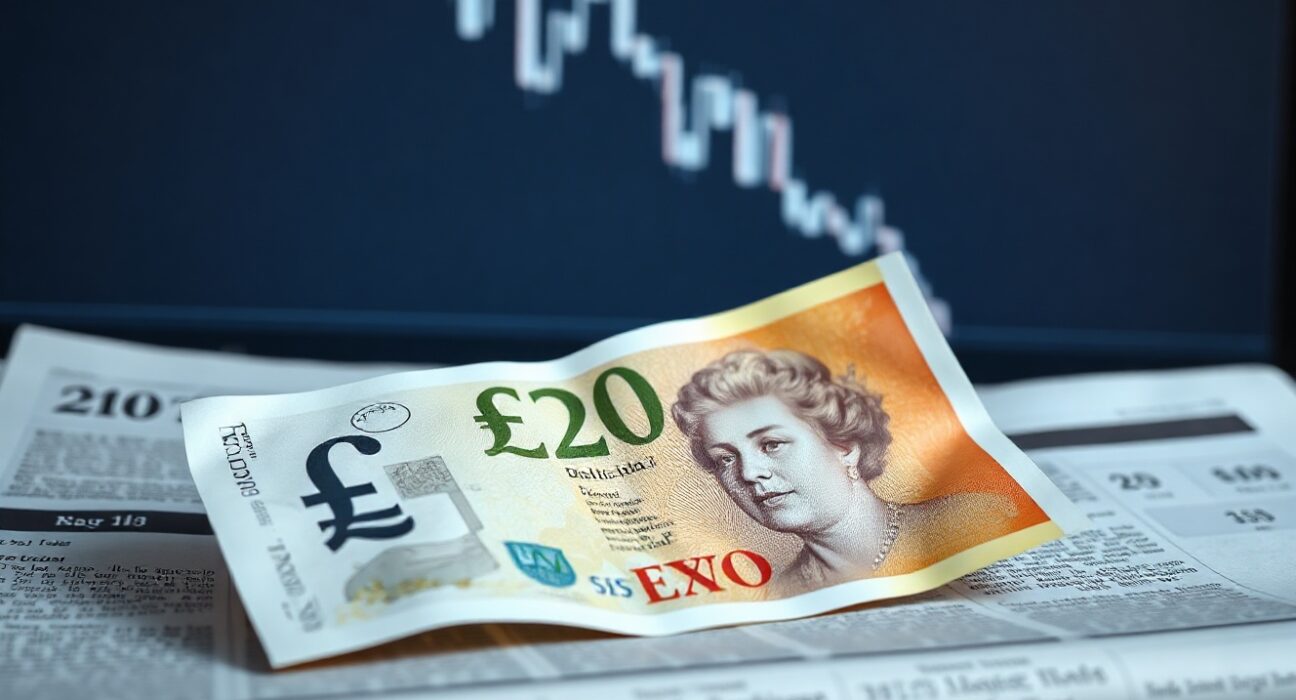
The British Pound weakened against major currencies on Wednesday, sliding to its lowest level in a week after the Office for National Statistics reported UK inflation figures that came in softer than market expectations. The data has intensified speculation that the Bank of England may begin cutting interest rates sooner than previously anticipated.
Inflation Figures Disappoint Markets
The UK Consumer Price Index rose by 2.5% in the year to January, down from 2.8% in December and below the consensus forecast of 2.7%. Core inflation, which excludes volatile food and energy prices, also eased more than expected, falling to 3.2% from 3.4%. Services inflation, a key metric closely watched by the Bank of England, dropped to 4.8% from 5.0%, suggesting that domestic price pressures are finally beginning to moderate.
The data marks a significant shift from the stubbornly high inflation readings that have characterized the UK economy over the past two years. While inflation remains above the Bank of England’s 2% target, the pace of disinflation has accelerated, giving policymakers greater room to consider loosening monetary policy.
Market Reaction and Sterling Performance
Sterling fell by 0.6% against the US dollar to $1.2630 in early London trading, its weakest level since February 12. Against the euro, the Pound declined 0.4% to €1.1725. The moves reflect growing expectations that the Bank of England will deliver its first rate cut in the second quarter of this year, potentially as early as May.
Money markets are now pricing in a 70% probability of a 25-basis-point rate cut by June, up from 55% before the inflation release. Traders are also factoring in the possibility of two additional cuts before the end of 2025, which would bring the base rate down to approximately 4.0% from its current level of 4.5%.
Why This Matters for Investors and Consumers
The softer inflation reading is a double-edged sword for the UK economy. On one hand, lower inflation eases the cost-of-living squeeze on households and reduces pressure on businesses struggling with higher input costs. On the other hand, a weaker Pound makes imports more expensive, which could partially offset the benefits of lower inflation over time.
For forex traders, the Pound’s decline reflects a recalibration of interest rate expectations. Lower rates typically reduce a currency’s yield advantage, making it less attractive to foreign investors. The GBP/USD pair is now testing key support levels around $1.2600, and a break below that could open the door to further losses toward $1.2500.
The data also has implications for the UK government’s fiscal position. Lower inflation reduces the cost of servicing index-linked debt, but it also slows nominal GDP growth, which could affect tax revenues. The Treasury will be watching the currency market closely, as a sustained depreciation could complicate the Bank of England’s efforts to bring inflation sustainably back to target.
Conclusion
The British Pound’s decline to weekly lows following softer UK inflation data underscores the market’s focus on the Bank of England’s next policy move. While the disinflation trend is welcome news for households, it raises new questions about the timing and pace of rate cuts. Traders will now turn their attention to upcoming UK services PMI data and the Bank of England’s February Monetary Policy Report hearings for further clues on the central bank’s thinking. The Pound’s near-term direction will likely depend on whether inflation continues to surprise to the downside and how aggressively the Bank of England signals its willingness to ease.
FAQs
Q1: Why did the British Pound fall after the inflation data?
The inflation figures came in lower than expected, increasing the likelihood that the Bank of England will cut interest rates sooner. Lower interest rates reduce a currency’s yield appeal, leading to selling pressure on the Pound.
Q2: What is the current UK inflation rate?
The UK Consumer Price Index rose by 2.5% in the year to January 2025, down from 2.8% in December. Core inflation, excluding food and energy, stands at 3.2%.
Q3: When might the Bank of England cut interest rates?
Markets are pricing in a 70% probability of a 25-basis-point rate cut by June 2025, with further cuts possible later in the year. The Bank of England’s next policy decision is scheduled for March 20.
Disclaimer: The information provided is not trading advice, Bitcoinworld.co.in holds no liability for any investments made based on the information provided on this page. We strongly recommend independent research and/or consultation with a qualified professional before making any investment decisions.
