

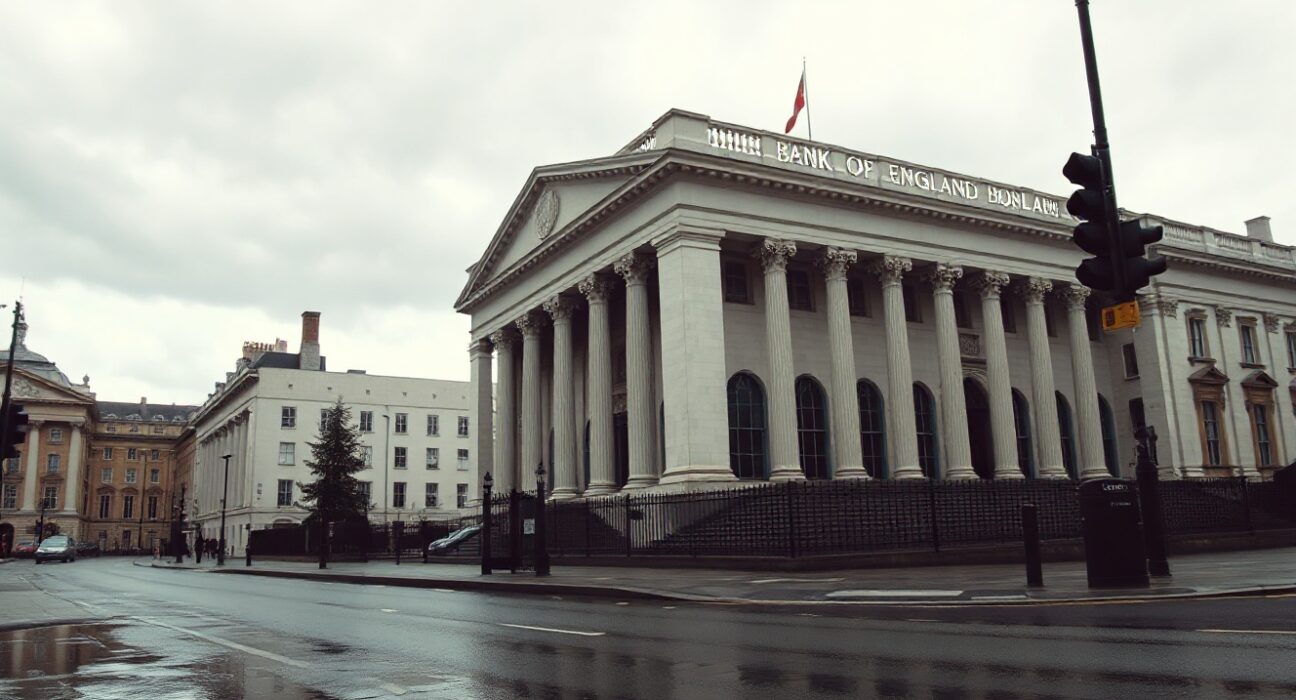
The British Pound continues to navigate a complex landscape shaped by persistent political uncertainties and the Bank of England’s cautious monetary policy stance, according to a recent analysis from RaboResearch. The report highlights that sterling’s trajectory remains heavily dependent on the interplay between domestic political developments and the central bank’s approach to inflation and interest rates.
Political Headwinds Weigh on Sterling
RaboResearch’s analysis points to ongoing political risks as a key factor dampening investor confidence in the British Pound. Uncertainty surrounding the UK’s post-Brexit trade arrangements, potential shifts in fiscal policy, and the broader political climate have contributed to a cautious outlook among currency markets. These factors, the report suggests, are likely to keep the pound under pressure in the near term, particularly against major counterparts like the US dollar and the euro.
Bank of England’s Cautious Stance
The Bank of England’s current policy trajectory is another critical element influencing GBP valuation. While the central bank has been actively raising interest rates to combat inflation, RaboResearch notes that the pace and endpoint of this tightening cycle remain uncertain. The BoE must balance the need to control price pressures against the risk of stifling economic growth. This delicate balancing act, combined with mixed economic data, has led to a cautious market assessment of future rate moves, limiting the pound’s upside potential.
Market Implications and Outlook
For traders and investors, the RaboResearch analysis underscores the importance of monitoring both political developments in Westminster and BoE communications for directional cues on the British Pound. The report suggests that any significant escalation in political risks or a dovish shift from the central bank could trigger further weakness in sterling. Conversely, a clearer political outlook or a more hawkish BoE stance could provide temporary support.
Conclusion
The British Pound remains at a crossroads, caught between political uncertainty and the Bank of England’s measured policy response. RaboResearch’s analysis provides a timely reminder that sterling’s path forward is not solely determined by economic data, but also by the evolving political and policy landscape. Market participants should remain vigilant as these factors continue to unfold.
FAQs
Q1: What are the main political risks currently affecting the British Pound?
The main political risks include ongoing uncertainty around post-Brexit trade relations, potential changes in fiscal policy, and the broader domestic political climate, all of which can affect investor confidence in the UK economy and its currency.
Q2: How is the Bank of England’s stance influencing GBP?
The Bank of England is balancing interest rate hikes to control inflation with the need to avoid harming economic growth. This cautious approach creates uncertainty about the future path of rates, which limits the pound’s ability to strengthen significantly.
Q3: What could cause the British Pound to strengthen or weaken further?
Sterling could weaken if political risks escalate or if the BoE signals a more dovish, less aggressive tightening path. It could gain temporary support if political clarity improves or if the central bank adopts a more hawkish tone on future rate increases.
Disclaimer: The information provided is not trading advice, Bitcoinworld.co.in holds no liability for any investments made based on the information provided on this page. We strongly recommend independent research and/or consultation with a qualified professional before making any investment decisions.
