

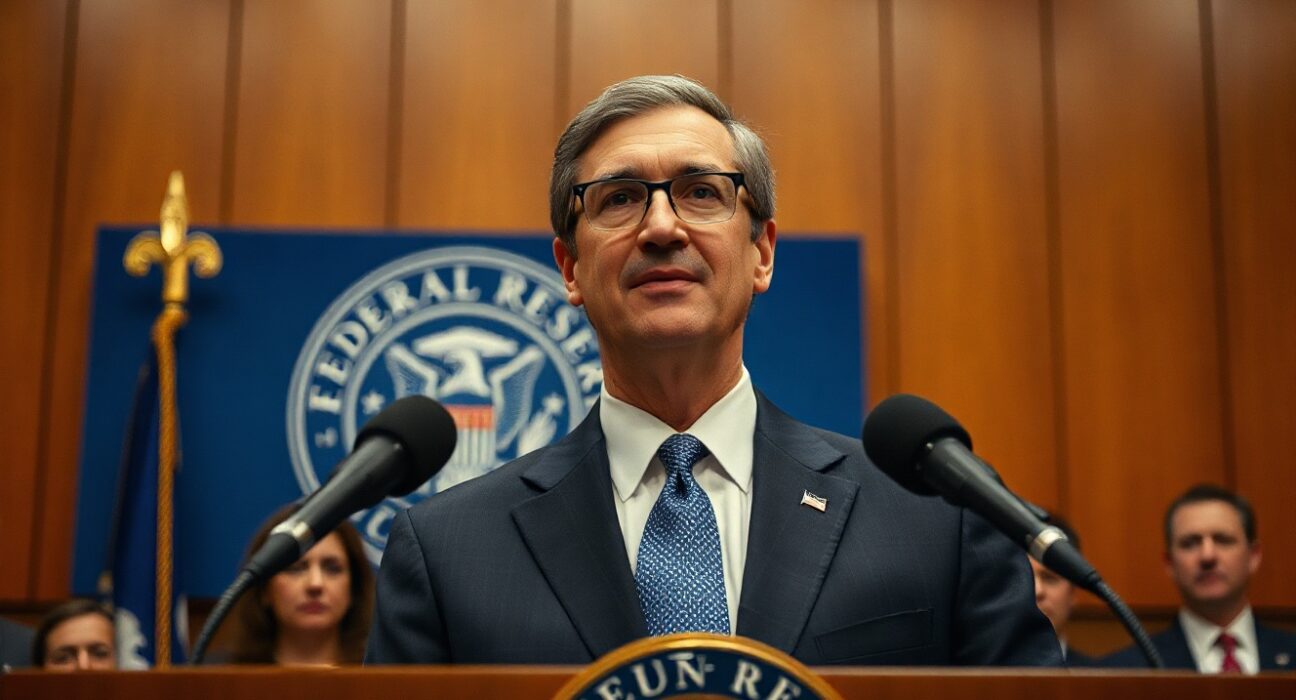
Federal Reserve Chairman Kevin Warsh stated during the latest FOMC press conference that no member of the committee currently favors raising interest rates in the short term. Responding directly to a question about whether recent economic data supports a rate hike, Warsh said that not a single one of the 19 members present agreed with such an assessment.
Clear Guidance from the Fed
Warsh’s remarks offer the clearest signal yet that the Federal Reserve intends to maintain its current monetary policy stance for the foreseeable future. The chairman emphasized that the committee will reconvene in six weeks to revisit the issue, but for now, there is no appetite for tightening. This statement provides reassurance to markets that have been closely watching for any shift in the Fed’s position amid fluctuating inflation data and mixed economic signals.
Implications for Markets and Borrowers
The Fed’s dovish stance has immediate implications for investors and consumers. With no rate hike on the horizon, borrowing costs for mortgages, auto loans, and business credit are likely to remain stable. Stock markets may also respond positively to the reduced uncertainty, as rate hikes often cool investor sentiment. However, some analysts caution that prolonged low rates could fuel asset bubbles or keep inflation pressures elevated.
What This Means for the Economy
The decision to hold rates steady reflects the Fed’s cautious approach to balancing inflation control with economic growth. By explicitly ruling out a near-term hike, Warsh aims to prevent market overreactions and provide a predictable policy environment. The six-week timeline for reassessment also gives the committee time to gather more data on employment, consumer spending, and global economic conditions before making any changes.
Conclusion
Chairman Warsh’s unequivocal statement that no FOMC member supports a rate hike offers a rare moment of clarity from the central bank. For now, the message is clear: the Fed is in a holding pattern, and any move toward tighter policy will require a sustained shift in economic fundamentals. Markets and consumers alike can expect a steady policy environment for at least the next six weeks.
FAQs
Q1: Why did Chairman Warsh rule out a rate hike?
He stated that none of the 19 FOMC members believe current economic conditions justify raising interest rates. The committee prefers to maintain the current policy stance while gathering more data.
Q2: When will the Fed reconsider a rate hike?
The committee plans to revisit the issue at its next meeting in six weeks. Until then, no changes to interest rates are expected.
Q3: How might this affect consumers and investors?
Borrowing costs for loans and credit are likely to remain stable. Stock markets may react positively to the reduced uncertainty, though some analysts warn of potential long-term risks from prolonged low rates.
Disclaimer: The information provided is not trading advice, Bitcoinworld.co.in holds no liability for any investments made based on the information provided on this page. We strongly recommend independent research and/or consultation with a qualified professional before making any investment decisions.
