

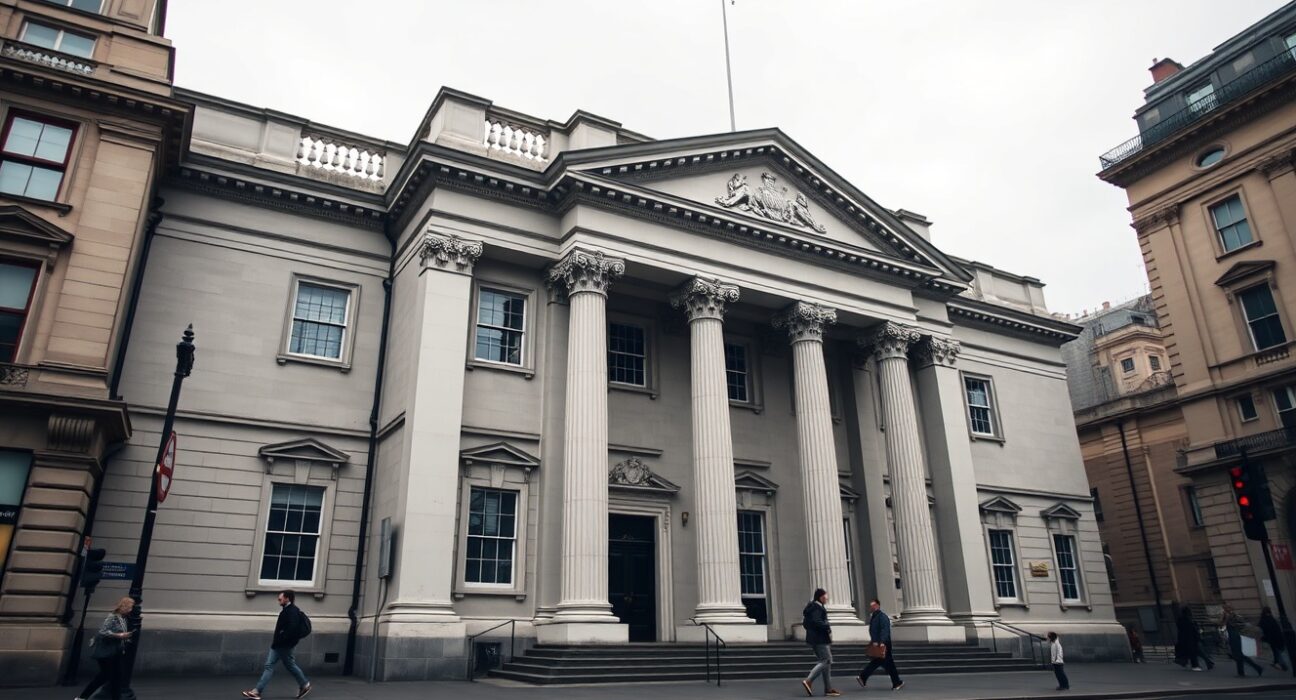
The Bank of England is widely expected to keep its benchmark interest rate unchanged at its next policy meeting, as a continued slowdown in UK inflation reduces the urgency for further tightening. Market participants and economists alike anticipate the Monetary Policy Committee will maintain the current rate, following a series of hikes that have brought borrowing costs to their highest level in over a decade.
Cooling Inflation Eases Pressure on Policymakers
Recent data shows UK inflation has moderated more quickly than many forecasters had predicted, falling from double-digit highs earlier in the year. The headline consumer price index has dropped significantly, driven by lower energy costs and easing supply chain pressures. This trend gives the BoE room to pause and assess the lagged effects of its previous rate increases on the broader economy, particularly on consumer spending and business investment.
The central bank’s own forecasts suggest inflation will continue to decline toward its 2% target over the medium term, though persistent wage growth and services inflation remain areas of concern. Policymakers are likely to emphasize a data-dependent approach, keeping the door open for further action if price pressures re-emerge.
Market Expectations and Economic Outlook
Financial markets have largely priced in a hold decision, with swaps indicating a very low probability of a hike at the upcoming meeting. The British pound has traded in a narrow range against the dollar and euro as investors await the BoE’s forward guidance. Meanwhile, the UK economy has shown signs of stagnation, with GDP growth flatlining in recent quarters and business surveys pointing to weak demand.
The housing market has also felt the impact of higher rates, with mortgage approvals falling and house prices declining modestly. A prolonged period of elevated borrowing costs could further dampen economic activity, though a premature easing risks reigniting inflation.
What a Hold Means for Borrowers and Savers
For homeowners with variable-rate mortgages, a hold provides temporary relief from further increases in monthly payments. However, many borrowers who are due to refinance fixed-rate deals will still face significantly higher costs compared to a few years ago. Savers, on the other hand, may continue to benefit from improved rates on deposit accounts, though the pace of increases is likely to slow.
Conclusion
The Bank of England’s expected decision to hold rates reflects a balancing act between containing inflation and supporting a fragile economy. While the immediate pressure for hikes has eased, the MPC remains cautious. The focus now shifts to the tone of the accompanying statement and any updated economic projections, which will signal how long rates are likely to stay at current levels.
FAQs
Q1: Why is the Bank of England expected to hold interest rates?
The BoE is expected to hold rates because UK inflation has cooled significantly, reducing the need for further tightening. Policymakers want to assess the impact of previous rate hikes on the economy before making further moves.
Q2: How does a rate hold affect mortgage borrowers?
A rate hold means no immediate increase in borrowing costs, providing temporary stability for homeowners with variable-rate mortgages. However, those refinancing fixed-rate deals may still face higher rates than in previous years.
Q3: Could the Bank of England cut rates later this year?
It is possible if inflation continues to fall and the economy weakens further. However, the BoE has signaled a cautious approach, and any rate cuts would depend on sustained evidence that price pressures are under control.
Disclaimer: The information provided is not trading advice, Bitcoinworld.co.in holds no liability for any investments made based on the information provided on this page. We strongly recommend independent research and/or consultation with a qualified professional before making any investment decisions.
