

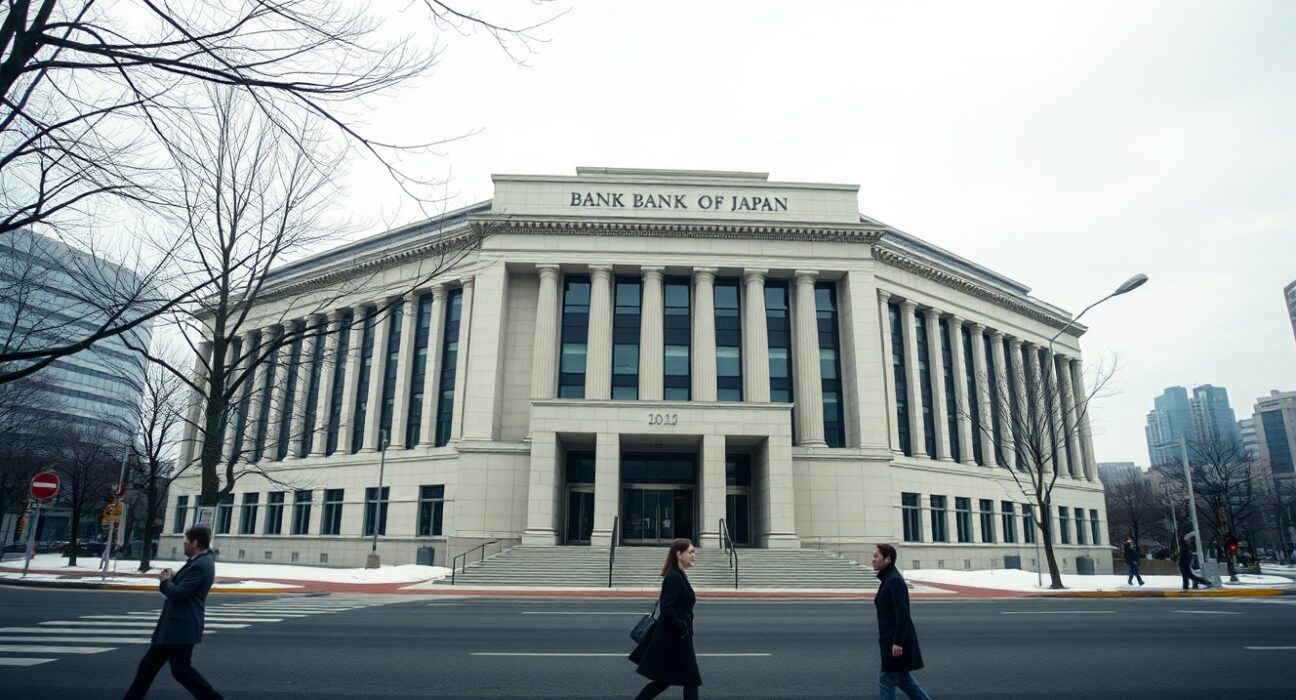
Bank of Japan Deputy Governor Ryozo Himino issued a clear warning on Thursday, stating that delaying adjustments to the central bank’s ultra-loose monetary policy could lead to an overshoot in inflation, complicating the path to sustainable price stability. Speaking at a financial conference in Tokyo, Himino emphasized the growing need for the BoJ to carefully calibrate its exit from years of aggressive stimulus.
Himino’s Core Warning on Policy Timing
Himino’s remarks represent one of the strongest signals yet from within the BoJ’s leadership that the window for normalizing policy is narrowing. He argued that waiting too long to raise interest rates could allow inflation to run persistently above the 2% target, forcing the central bank into sharper, more disruptive tightening later. ‘If we delay the adjustment of monetary easing too much, there is a risk that prices will overshoot,’ Himino said, according to prepared remarks. ‘We must carefully assess the timing and pace of any policy changes.’
The comments come as Japan’s core consumer price index has remained at or above the BoJ’s 2% target for well over a year, driven by rising import costs and a tight labor market. While the BoJ ended its negative interest rate policy and yield curve control in March 2024, it has maintained a cautious stance, wary of derailing the fragile economic recovery.
Market Implications and Rate Path Expectations
Financial markets have been closely watching for clues on the BoJ’s next move. Following Himino’s speech, the yen strengthened modestly against the US dollar, while Japanese government bond yields edged higher, reflecting increased bets on a rate hike at the BoJ’s upcoming policy meeting in December or early 2025.
Analysts interpret Himino’s language as a deliberate effort to prepare markets for a gradual but steady tightening cycle. The BoJ has previously indicated it will raise rates only if the economy and prices evolve as forecast. Himino’s latest remarks suggest the central bank sees the risk of acting too late as now greater than the risk of acting too soon.
Why This Matters for Global Investors
Japan’s monetary policy trajectory holds significant implications for global financial markets. As the last major central bank to maintain ultra-loose settings, the BoJ’s normalization would remove a key source of global liquidity. Higher Japanese yields could attract capital flows back from overseas investments, potentially impacting US Treasuries, emerging market currencies, and carry trades.
For domestic Japanese households and businesses, higher borrowing costs would increase mortgage and corporate loan expenses, but also improve returns on savings, which have been near zero for years. Himino acknowledged these trade-offs, stressing the importance of clear communication to minimize market disruption.
Conclusion
Himino’s warning underscores a pivotal moment for the Bank of Japan. The central bank is balancing the need to curb inflationary pressure against the risk of stifling growth. His remarks suggest the BoJ is leaning toward a more proactive stance, with a rate hike likely in the coming months. Investors and policymakers globally will watch closely for the BoJ’s next steps, as Japan’s monetary normalization enters a critical new phase.
FAQs
Q1: What did BoJ Deputy Governor Himino say about monetary policy?
Himino warned that delaying adjustments to the BoJ’s ultra-loose monetary policy could cause inflation to overshoot the 2% target, forcing more aggressive tightening later.
Q2: When is the next BoJ policy meeting?
The Bank of Japan’s next monetary policy meeting is scheduled for December 18-19, 2024, followed by a meeting in January 2025. Markets are pricing in a potential rate hike at one of these meetings.
Q3: How could BoJ rate hikes affect global markets?
Higher Japanese interest rates could attract capital flows back to Japan, potentially pushing up global bond yields and impacting currencies, particularly in emerging markets that have benefited from Japanese carry trades.
Disclaimer: The information provided is not trading advice, Bitcoinworld.co.in holds no liability for any investments made based on the information provided on this page. We strongly recommend independent research and/or consultation with a qualified professional before making any investment decisions.
