

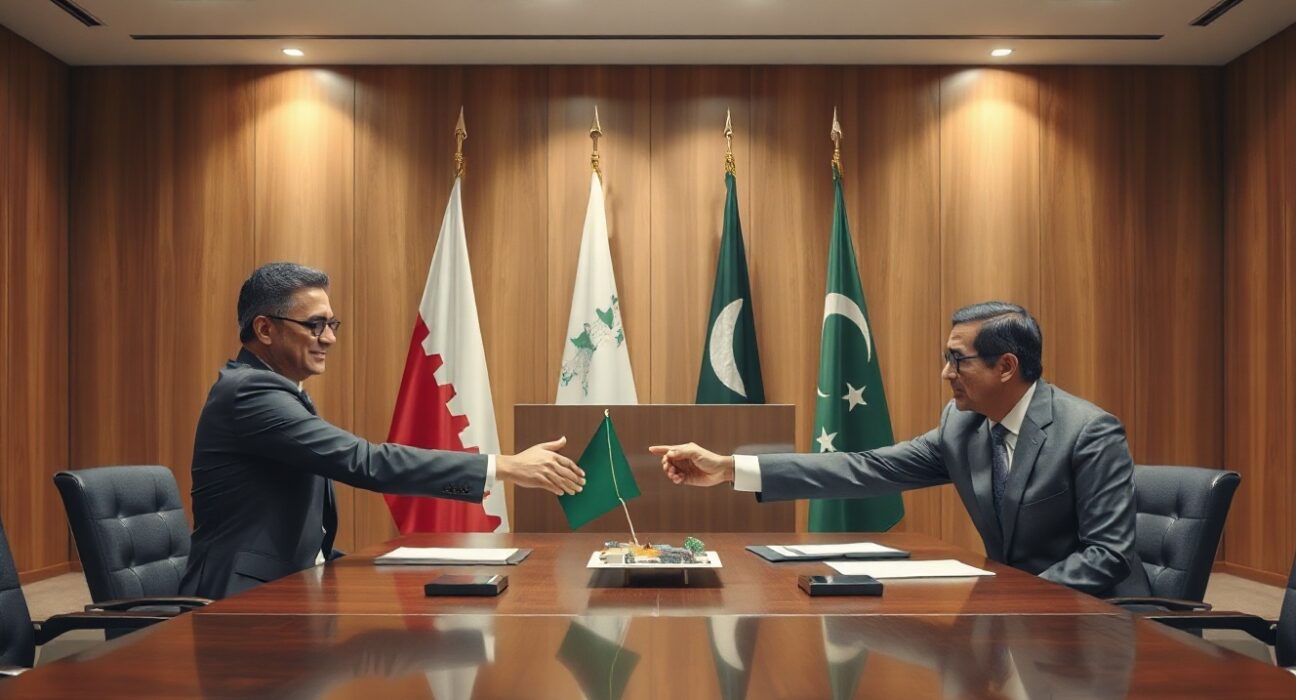
A high-level committee comprising officials from Qatar and Pakistan has agreed on a structured roadmap aimed at finalizing a comprehensive bilateral agreement within the next 60 days. The development marks a significant step forward in strengthening economic and diplomatic ties between the two nations, following months of preparatory discussions and technical-level negotiations.
Roadmap Details and Key Commitments
The roadmap, finalized during a series of meetings held in Doha, outlines specific milestones and timelines for concluding negotiations on a multi-sectoral deal. While the full text of the agreement remains under wraps, sources indicate that the pact will cover energy cooperation, investment facilitation, labor mobility, and trade enhancement. Both sides have committed to expediting the remaining technical and legal reviews to meet the 60-day deadline.
The committee, co-chaired by senior diplomats from both countries, will convene weekly to track progress. A joint working group has also been established to resolve any outstanding issues related to tariff structures, visa policies, and regulatory alignment. The urgency reflects a mutual desire to capitalize on existing goodwill and translate it into tangible economic outcomes.
Strategic Importance for Both Nations
For Pakistan, the deal represents a critical opportunity to secure reliable energy supplies and attract Qatari investment into infrastructure and development projects. Qatar, one of the world’s leading liquefied natural gas (LNG) exporters, has been diversifying its investment portfolio and sees Pakistan as a promising market with a young population and growing energy demand.
For Qatar, the agreement aligns with its National Vision 2030 goals of building sustainable economic partnerships. The deal is expected to enhance Qatar’s food security through agricultural cooperation and open new avenues for Pakistani skilled labor in the Qatari market. Both countries have historically maintained cordial relations, and this agreement could serve as a model for broader Gulf-South Asia economic integration.
Market and Regional Implications
The announcement has been welcomed by business communities in both countries. Pakistani stock markets saw a modest uptick in energy and construction sectors following the news. Analysts suggest that a finalized deal could improve Pakistan’s foreign exchange reserves and lower energy costs over the medium term, while providing Qatari firms with preferential access to a market of over 240 million consumers.
Regionally, the agreement could influence other Gulf states to deepen economic engagement with Pakistan. The successful conclusion of negotiations within the stipulated timeframe would also signal political stability and policy continuity in Pakistan, which has faced economic headwinds in recent years.
Conclusion
The 60-day roadmap agreed upon by the Qatar-Pakistan high-level committee sets a clear and ambitious timeline for finalizing a deal that could reshape bilateral economic relations. Both sides have demonstrated political will and administrative commitment to meet the deadline. The coming weeks will be critical as technical teams work to translate the roadmap into a binding agreement. For readers and stakeholders, this development signals a concrete step toward deeper cooperation, with potential benefits spanning energy, trade, and investment.
FAQs
Q1: What is the main objective of the Qatar-Pakistan high-level committee?
The committee aims to finalize a comprehensive bilateral agreement covering energy, investment, trade, and labor cooperation within a 60-day timeline.
Q2: Why is the 60-day deadline significant?
The deadline reflects a mutual commitment to expedite negotiations and convert political goodwill into actionable economic outcomes without prolonged delays.
Q3: How might this deal impact Pakistan’s economy?
If finalized, the deal could improve Pakistan’s energy security, attract Qatari investment in infrastructure, and boost foreign exchange reserves through increased trade and labor exports.
Disclaimer: The information provided is not trading advice, Bitcoinworld.co.in holds no liability for any investments made based on the information provided on this page. We strongly recommend independent research and/or consultation with a qualified professional before making any investment decisions.
