

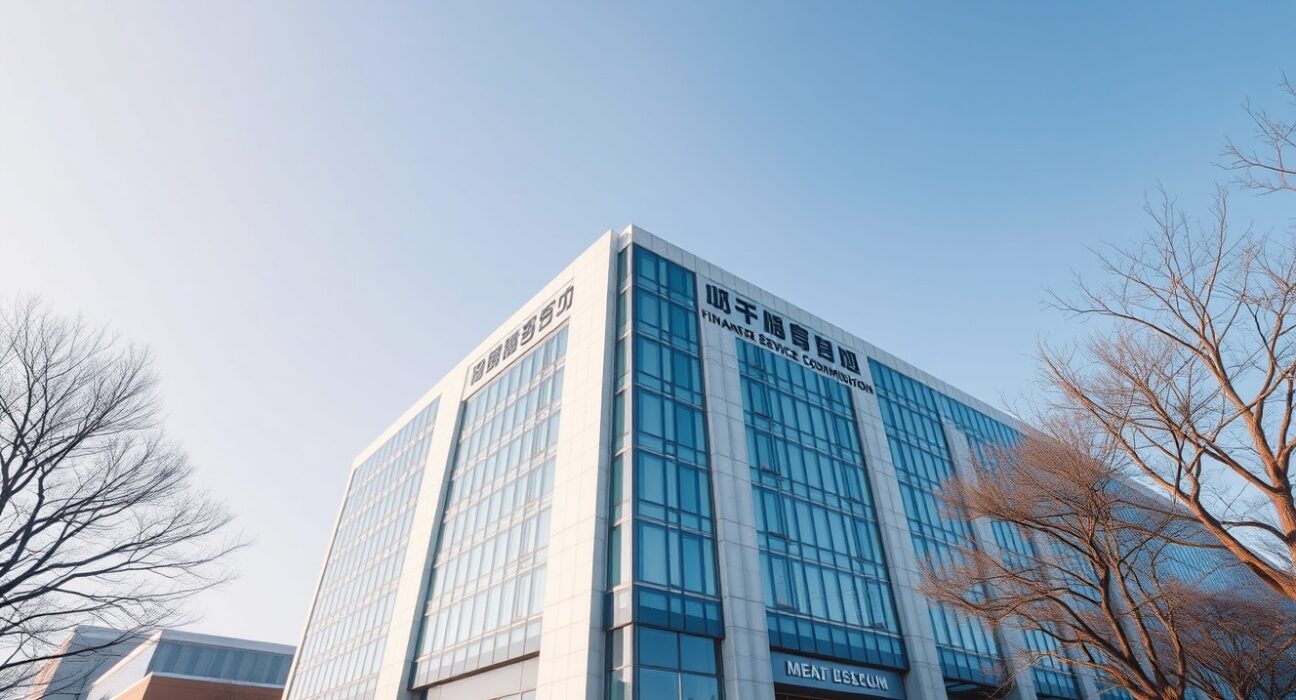
South Korea’s top financial and foreign exchange regulators have signaled their opposition to any immediate easing of virtual asset regulations, according to a report from Edaily. The stance comes in response to a review by the country’s Ministry of SMEs and Startups into rationalizing the current rules, following a meeting with industry representatives on June 8.
Regulators Cite Legal and Policy Barriers
On June 22, the Financial Services Commission (FSC), the Ministry of Economy and Finance, and the Bank of Korea concluded after an internal review that it would be difficult to pursue the deregulation measures requested by the industry. The regulators noted that there has been no confirmed shift in policy toward deregulation and that many of the proposed changes would be impossible without amending existing laws.
An FSC official stated that the agency is currently listening to the industry’s opinions on sub-regulations rather than planning to ease them, adding that nothing has been confirmed. An official from the Ministry of Economy and Finance also said the ministry is not currently reviewing any deregulation related to virtual assets.
Background and Industry Context
The review followed a meeting held on June 8 by the Ministry of SMEs and Startups with industry representatives, which had raised expectations of potential regulatory relief. However, the coordinated response from the FSC, the Ministry of Economy and Finance, and the Bank of Korea indicates a unified position among key financial authorities against rapid policy changes.
South Korea has maintained a cautious approach to virtual asset regulation, focusing on investor protection and market stability. The current regulatory framework requires exchanges to register with the FSC and comply with anti-money laundering obligations. Any significant deregulation would likely require legislative amendments, which appear unlikely in the near term.
Implications for the Crypto Industry
For cryptocurrency businesses and investors in South Korea, the regulators’ stance suggests that the current regulatory environment will persist for the foreseeable future. The industry had hoped for easing of rules related to exchange licensing, token listings, and institutional participation. However, the authorities’ emphasis on legal constraints and the absence of a policy shift indicate that significant changes are not imminent.
The regulators’ position also reflects broader global trends, where many jurisdictions are tightening rather than loosening oversight of digital assets following high-profile failures and fraud cases. South Korea’s approach aligns with its commitment to financial stability and consumer protection.
Conclusion
South Korea’s top financial regulators have made clear that no immediate deregulation of virtual assets is forthcoming, citing legal barriers and the absence of a confirmed policy shift. The industry’s hopes for near-term regulatory relief have been tempered, as authorities emphasize ongoing dialogue rather than concrete changes. The situation underscores the complex interplay between industry demands and regulatory caution in one of the world’s most active cryptocurrency markets.
FAQs
Q1: Why did South Korean regulators reject immediate virtual asset deregulation?
They concluded that many proposed changes would require amendments to existing laws, and there has been no confirmed policy shift toward deregulation. The FSC, Ministry of Economy and Finance, and Bank of Korea jointly determined that easing rules is not currently feasible.
Q2: What triggered the review of virtual asset regulations in South Korea?
The Ministry of SMEs and Startups held a meeting with industry representatives on June 8 to discuss rationalizing current rules, which prompted an internal review by financial regulators.
Q3: What does this mean for cryptocurrency businesses in South Korea?
The current regulatory environment will likely persist, with no immediate changes to exchange licensing, token listings, or institutional participation rules. Businesses should expect continued compliance with existing anti-money laundering and registration requirements.
Disclaimer: The information provided is not trading advice, Bitcoinworld.co.in holds no liability for any investments made based on the information provided on this page. We strongly recommend independent research and/or consultation with a qualified professional before making any investment decisions.
