

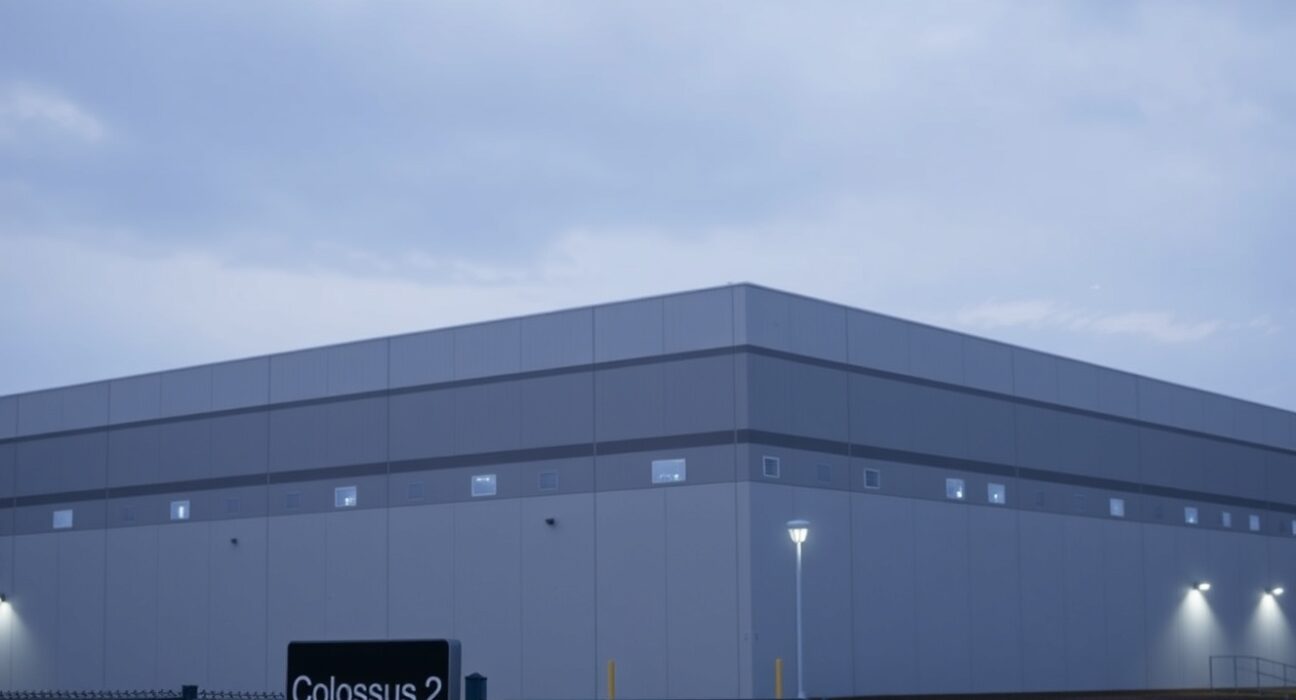
Reflection AI, an open-source artificial intelligence startup founded by two former Google DeepMind researchers, has signed a landmark compute deal with SpaceX worth up to $6.3 billion. Beginning July 1, 2026, the startup will pay $150 million per month through 2029 for immediate access to Nvidia’s latest GB300 AI chips and supporting hardware at SpaceX’s Colossus 2 data center near Memphis, Tennessee, the company confirmed to Bitcoin World.
Strategic bet on open-weight AI
The deal is Reflection AI’s first compute agreement and marks one of the largest publicly announced open AI infrastructure commitments to date. The startup has positioned itself as an open-source alternative to closed frontier labs like Anthropic and OpenAI, releasing trained model parameters publicly under an open-weight strategy. This approach has gained traction following the U.S. government’s ban of Anthropic’s closed models, Fable and Mythos, citing national security concerns.
“Recent events highlight how important open source is to the AI ecosystem, with more nations and enterprises recognizing the risks and costs associated with exclusively depending on closed models,” a Reflection AI spokesperson said in an emailed statement. “Our deal with SpaceXAI signals Reflection’s strategic importance within the frontier AI ecosystem, and more compute means more runway to build the world’s best open models at scale.”
Smaller than Anthropic and Google deals, but strategically significant
While the $6.3 billion figure is substantial, it is significantly smaller than SpaceX’s deals with Anthropic and Google, which cost $1.25 billion per month and $920 million per month, respectively. Those contracts also run through July 2029. Elon Musk has publicly downplayed the three-year terms, emphasizing that the contracts can be cancelled at any time with 90 days’ notice after the first three months — a clause also present in Reflection AI’s agreement.
The Colossus data center was originally built by xAI, the company Musk founded for his own AI efforts. As xAI’s internal pursuits have faltered, SpaceX has leveraged its valuable AI chip holdings and begun renting them out to some of the world’s top AI labs, turning the facility into a critical infrastructure hub for the AI industry.
Why this matters for the AI ecosystem
The deal underscores a broader shift in the AI industry: compute is becoming a strategic asset, and companies with access to large clusters of advanced chips — like SpaceX — are emerging as key infrastructure providers. For Reflection AI, the agreement provides the computational firepower needed to train large open-weight models at scale, potentially challenging closed models from Anthropic, OpenAI, and Google DeepMind. It also signals growing demand for open-source AI infrastructure, particularly as governments and enterprises seek alternatives to proprietary systems.
Conclusion
Reflection AI’s compute deal with SpaceX represents a significant vote of confidence in open-weight AI and highlights the increasing value of data center infrastructure in the AI arms race. With access to Nvidia’s latest chips at Colossus 2, the startup has the runway to develop competitive open models, while SpaceX continues to monetize its AI hardware investments. The agreement also reflects a maturing market where compute access is as important as algorithmic innovation.
FAQs
Q1: What is Reflection AI’s compute deal with SpaceX worth?
The deal is valued at up to $6.3 billion over three years, with monthly payments of $150 million starting July 1, 2026.
Q2: What hardware will Reflection AI access through this deal?
The startup will gain immediate access to Nvidia’s latest GB300 AI chips and supporting hardware at SpaceX’s Colossus 2 data center near Memphis, Tennessee.
Q3: Can either party cancel the contract early?
Yes, after the first three months, either company can end the contract with 90 days’ notice.
Disclaimer: The information provided is not trading advice, Bitcoinworld.co.in holds no liability for any investments made based on the information provided on this page. We strongly recommend independent research and/or consultation with a qualified professional before making any investment decisions.
