

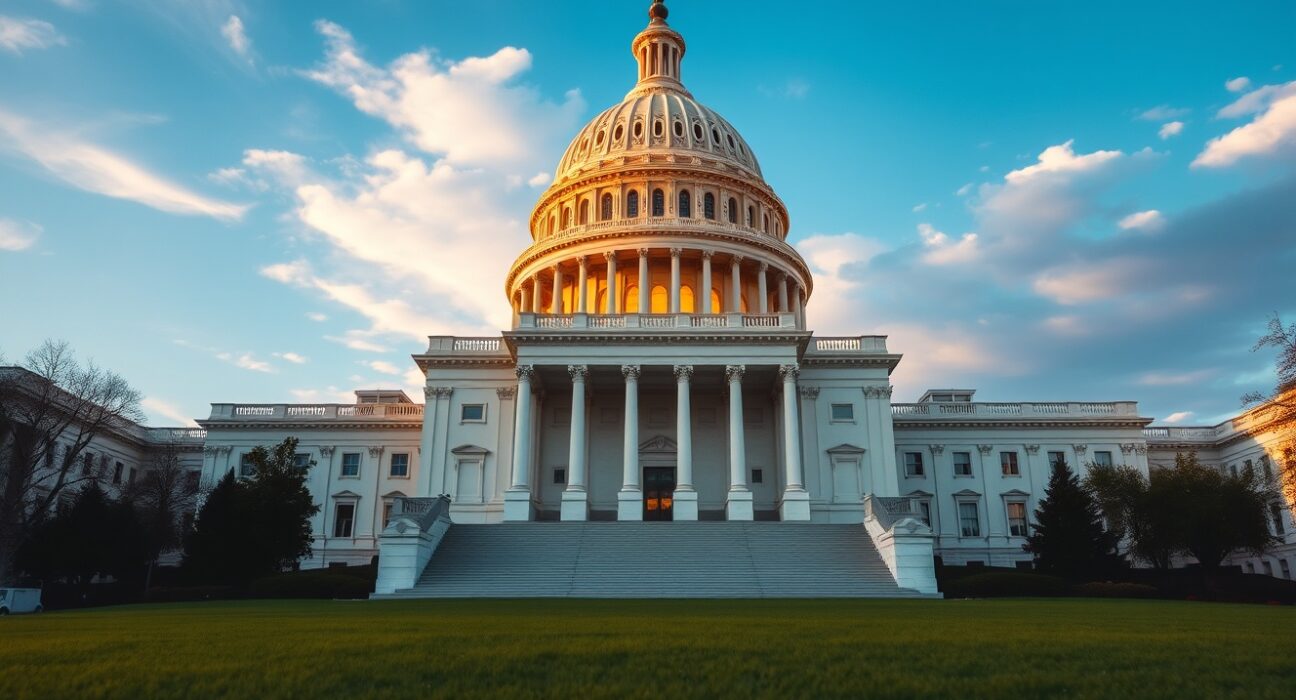
Senator Cynthia Lummis (R-WY), a prominent advocate for cryptocurrency and digital assets in Congress, declared on social media platform X that the United States will not relinquish control over the cryptocurrency space. In her statement, Lummis drew a direct parallel to the early days of the internet, noting that the U.S. invented the foundational technology and never ceded its governance to other nations or international bodies.
Context of the Statement
Lummis’s remarks come amid growing global discussions about digital asset regulation, including efforts by the European Union to implement its Markets in Crypto-Assets (MiCA) framework and ongoing debates within international financial standard-setting bodies. The Senator’s comments signal a firm stance that the U.S. intends to maintain leadership in setting rules for cryptocurrency markets, rather than deferring to foreign regulatory models.
The Wyoming Republican has been one of the most vocal pro-crypto voices in Congress, sponsoring the Responsible Financial Innovation Act and advocating for a clear legal framework for digital assets. Her reference to the internet precedent is significant: the U.S. government, through agencies like the Department of Commerce, has historically maintained oversight of critical internet infrastructure, including the Domain Name System, even as the technology became globally adopted.
Implications for U.S. Crypto Policy
Lummis’s statement reinforces the idea that the United States views cryptocurrency as a strategically important technology that should be developed and regulated under domestic law. This perspective aligns with broader bipartisan efforts in Congress to establish comprehensive crypto legislation, including stablecoin regulation and market structure bills that have advanced through committees in both chambers.
Industry observers interpret the Senator’s comments as a signal that the U.S. is unlikely to adopt a hands-off approach or cede standard-setting authority to other jurisdictions. Instead, the message suggests a push for proactive American leadership in digital asset policy, similar to how the U.S. shaped the commercial internet through a combination of private-sector innovation and targeted federal oversight.
Why This Matters for Investors and the Industry
For market participants, the Senator’s stance provides a degree of regulatory clarity: the U.S. intends to remain a primary rulemaker in the crypto space, not a passive follower. This could influence where companies choose to locate operations, how compliance frameworks are built, and how international regulatory arbitrage may play out. It also suggests that future U.S. crypto legislation may prioritize domestic control over global harmonization.
Conclusion
Senator Lummis’s comparison of cryptocurrency to the internet underscores a foundational policy position: the United States aims to lead in shaping the digital asset landscape, just as it did with the internet. As Congress continues to deliberate on comprehensive crypto legislation, this principle of maintaining U.S. sovereignty over digital asset governance is likely to remain a central theme in the ongoing debate.
FAQs
Q1: What did Senator Lummis say about crypto control?
Senator Cynthia Lummis stated that the United States will not hand over control of cryptocurrency, drawing a parallel to the internet where the U.S. maintained governance despite global adoption.
Q2: Why is the internet precedent relevant to crypto policy?
The U.S. invented key internet technologies and retained oversight of critical infrastructure like domain name management. Lummis argues the same approach should apply to cryptocurrency to maintain American leadership.
Q3: What legislation has Senator Lummis proposed for crypto?
She introduced the Responsible Financial Innovation Act, which aims to provide a comprehensive regulatory framework for digital assets, including classification of tokens, tax clarity, and consumer protections.
Disclaimer: The information provided is not trading advice, Bitcoinworld.co.in holds no liability for any investments made based on the information provided on this page. We strongly recommend independent research and/or consultation with a qualified professional before making any investment decisions.
